

Chicken Tagine with Preserved Lemon, Olives, and Apricots
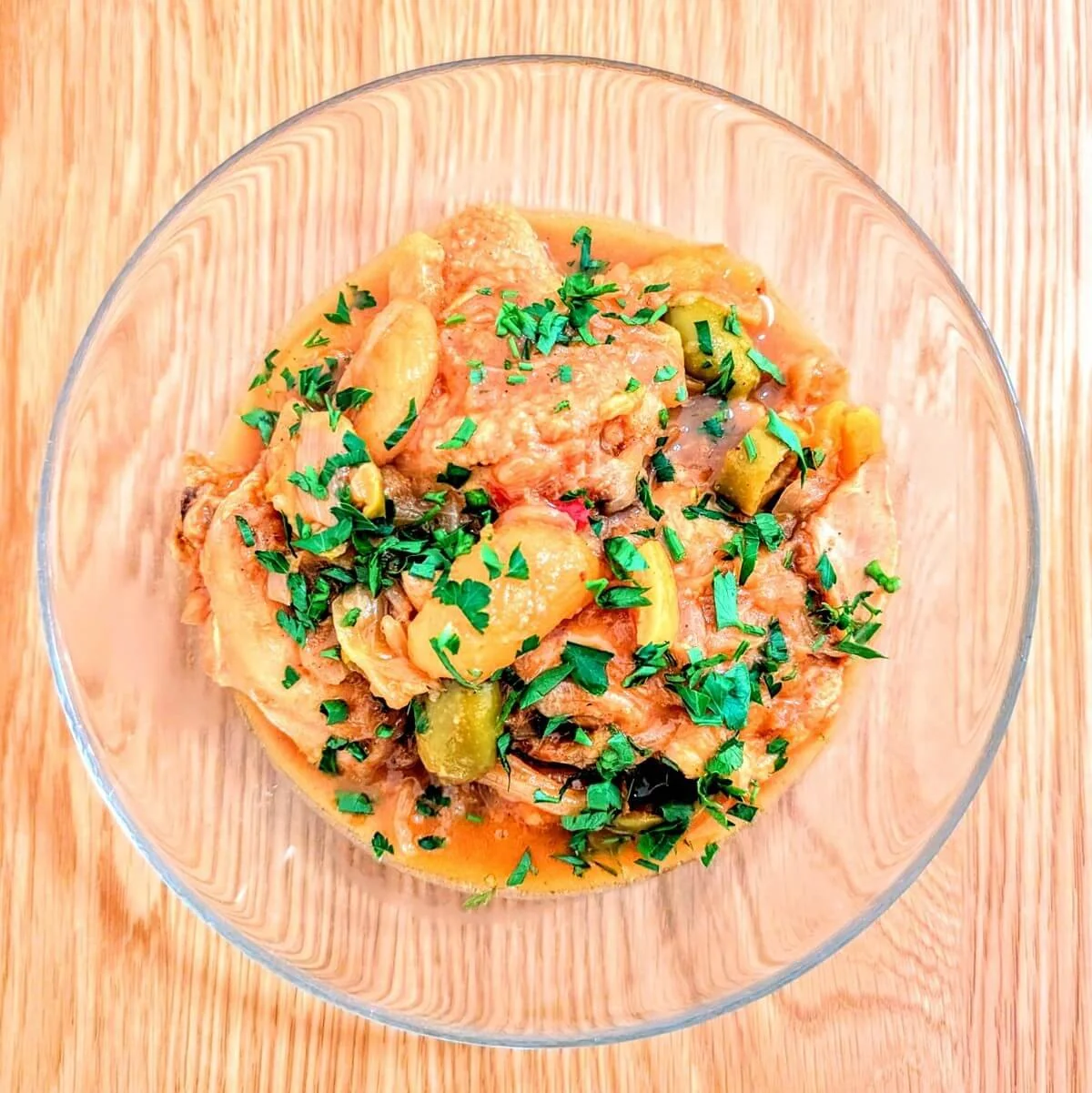
This easy chicken tagine is slow-cooked with dried apricots, briny olives, and tangy preserved lemon for authentic Moroccan flavor at home.
or read on for step-by-step instructions with photos
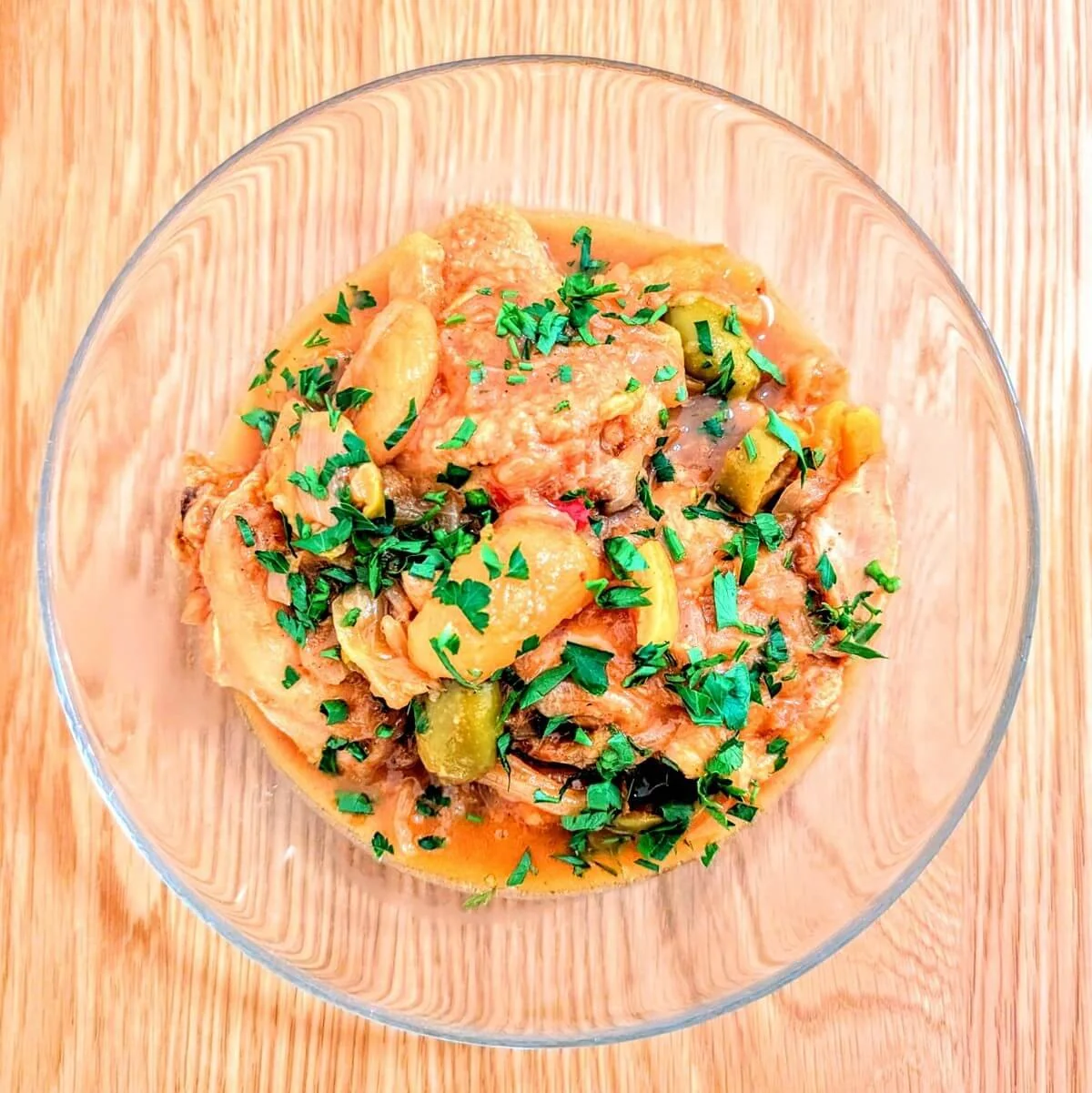
Easy Chicken Tagine Without a Tagine Pot
You don’t need a fancy clay pot to make deeply flavorful Moroccan chicken at home. This stovetop chicken tagine delivers complex, layered flavor—no special equipment needed.
We’ll use the same braising principles found in traditional tagines. A Moroccan tagine pot’s conical lid traps steam, which condenses and drips back down, keeping everything moist as it stews. You can achieve the same effect with a heavy-bottomed pot and a tight-fitting lid.
Braising is what builds real depth. Start with an aromatic base, partially submerge the meat, and let it gently simmer. The result: fall-apart tender chicken thighs infused with warming spices, briny olives, sweet apricots, and the bright, salty punch of preserved lemon.
Why You’ll Love This Moroccan Chicken Tagine Recipe
Preserved lemons: These are key to the dish’s signature flavor. While store-bought works, I highly recommend making your own.
My preserved lemon recipe is really simple—all you need are lemons, salt, and time to cure. The result is a deeply concentrated, salty-citrus flavor that adds complexity no fresh lemon can match.
Build-your-own spice blend: Instead of relying on store-bought Ras el Hanout (the traditional Moroccan blend used in tagines), we’ll make a simple version using familiar pantry spices.
No special equipment needed: We’ll skip the traditional Moroccan conical clay tagine pot and use a standard heavy-bottomed pot with a tight-fitting lid. It delivers the same gentle braise and layered flavor, without the hassle.
Great for meal prep: This dish holds up beautifully over time. In fact, it’s even better the next day, making it perfect for leftovers, batch cooking, or freezing ahead.
Next, I’ll walk you through this easy chicken tagine recipe step-by-step, so you can bring authentic Moroccan flavor to your kitchen—no tagine pot required.
Let’s get simmering!
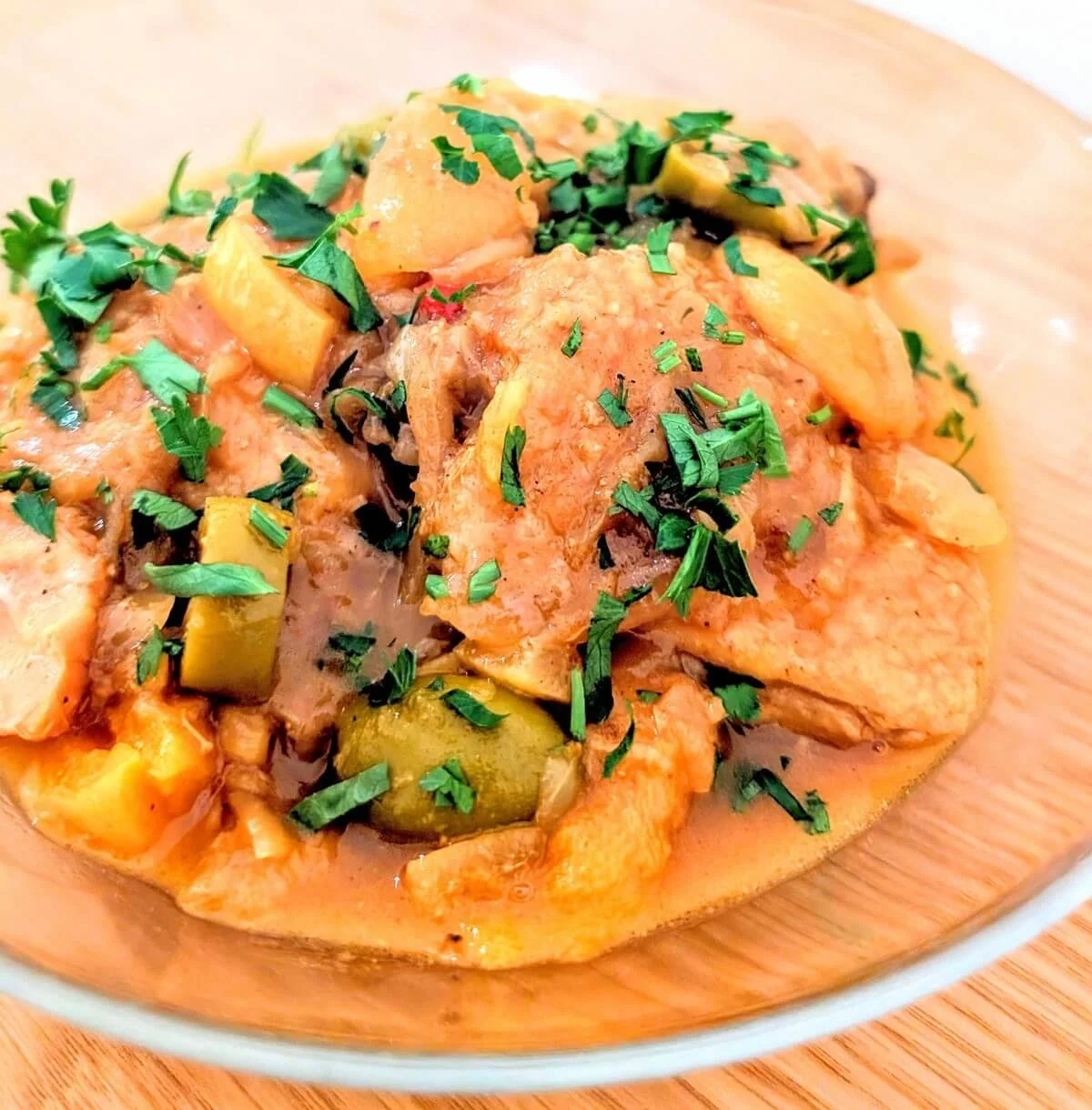
What You’ll Need for This Chicken Tagine Recipe
Chicken Tagine Ingredients
6 whole chicken legs, drumsticks and thighs separated (skin-on or skinless)
2 large yellow onions, thinly sliced
4 garlic cloves, minced
1 preserved lemon, peel chopped (reserve pulp for another use)
½ cup green olives, pitted and halved
8–10 dried apricots, halved
1 cup chicken stock
olive oil, for searing
lemon juice, to taste
salt, to taste
chopped parsley, for garnish (optional)
Homemade Moroccan Spice Blend
1 tablespoon paprika
1 teaspoon ground cumin
1 teaspoon ground ginger
1 teaspoon ground coriander
½ teaspoon ground turmeric
½ teaspoon ground black pepper
1 small cinnamon stick (or ½ teaspoon ground cinnamon)
Equipment for Cooking Tagine at Home
Large, heavy-bottomed pot or Dutch oven with lid
Knife and cutting board
Measuring spoons
Tongs
Wooden spoon or spatula for stirring
Small knife to check tenderness
Makes: 6 servings
Prep: 10 min Cook: 75 min
How to Make Moroccan Chicken Tagine
Step-by-Step with Photos
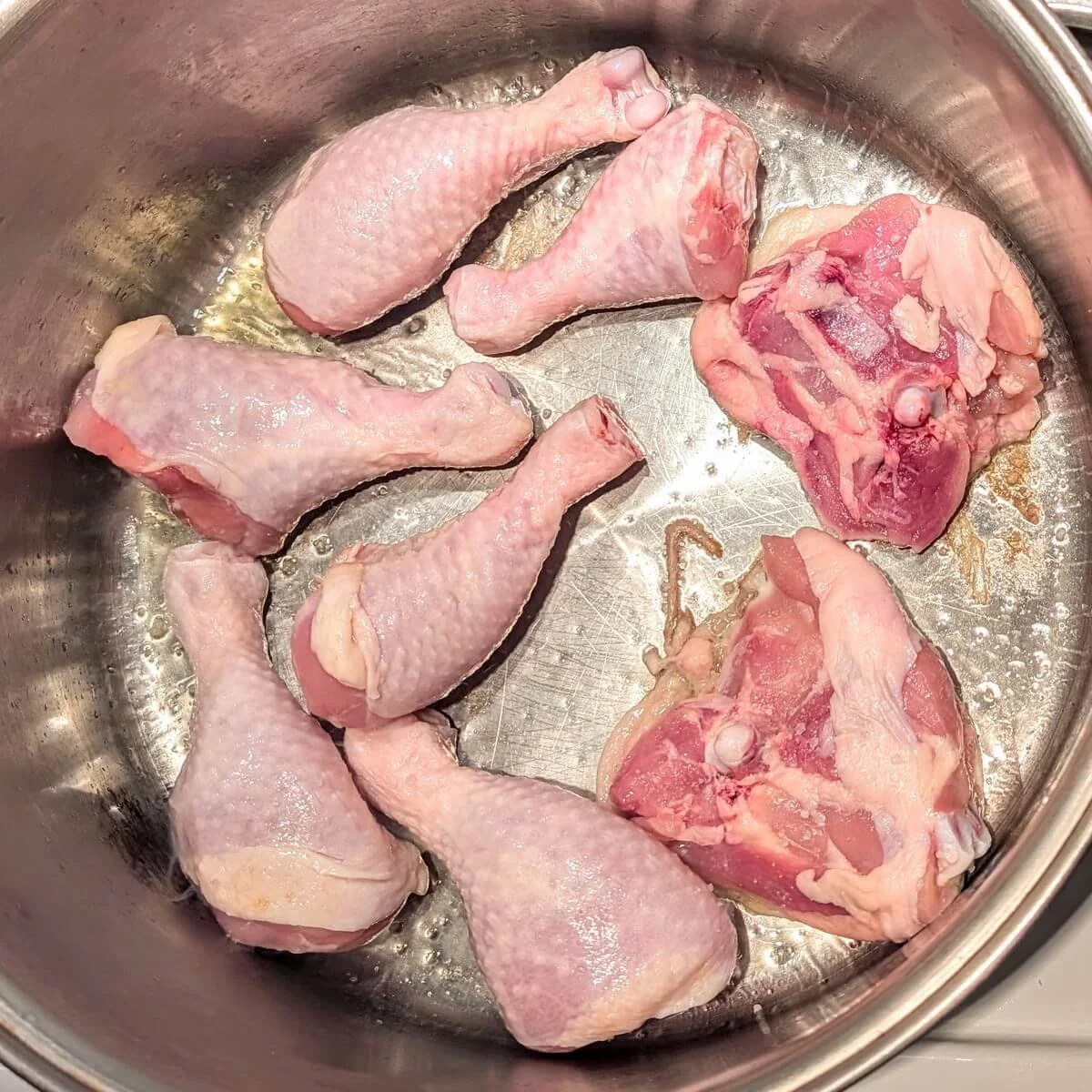
Step 1: Sear the chicken until golden brown
Heat a heavy-bottomed pot over medium-high heat and add enough olive oil to coat the bottom.
Working in batches if needed, place the chicken pieces skin-side down and sear until deeply golden on both sides—about 3–4 minutes per side. Season with a pinch of salt as they cook.
Don’t worry about cooking them through at this stage; you’re just building a rich, flavorful base for the tagine. Once browned, transfer the chicken to a plate and set aside.

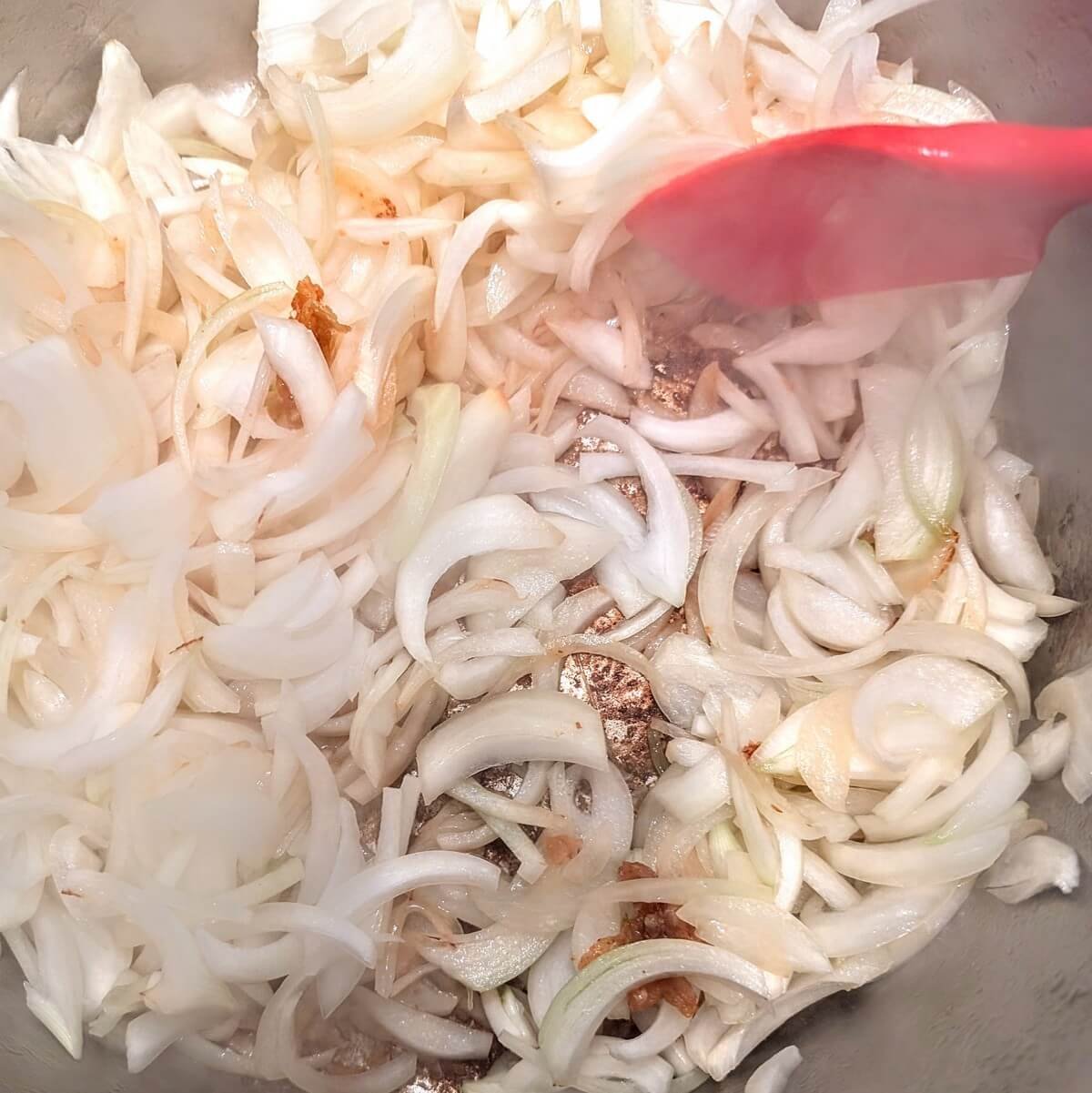
Step 2: Build the aromatic base with onions, garlic, and Moroccan spices
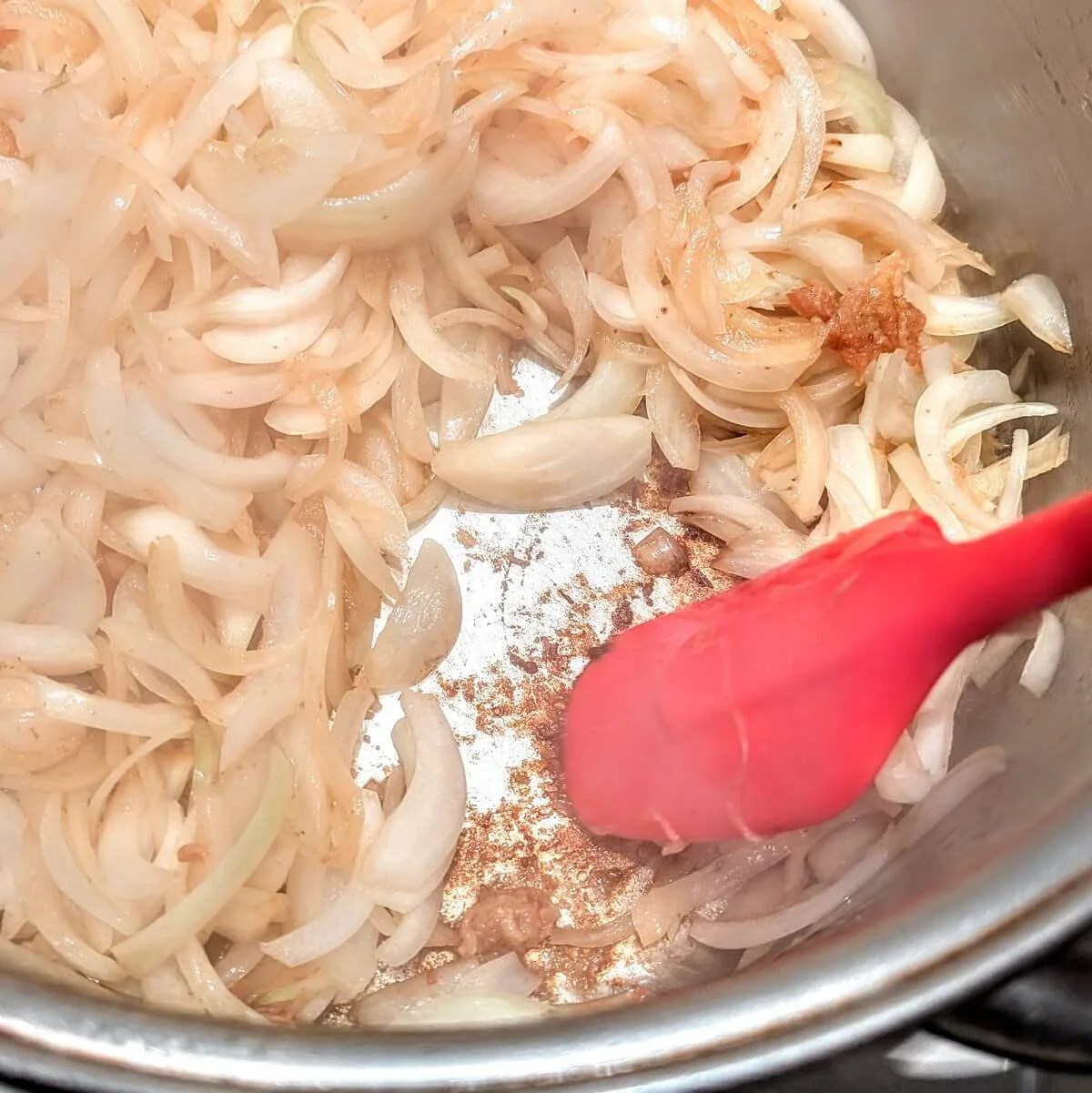
Reduce the heat to medium. Add the sliced onions and stir well, scraping up the golden bits (fond) left from searing the chicken.
Cook for 6–8 minutes, stirring occasionally, until the onions are softened and starting to take on color.
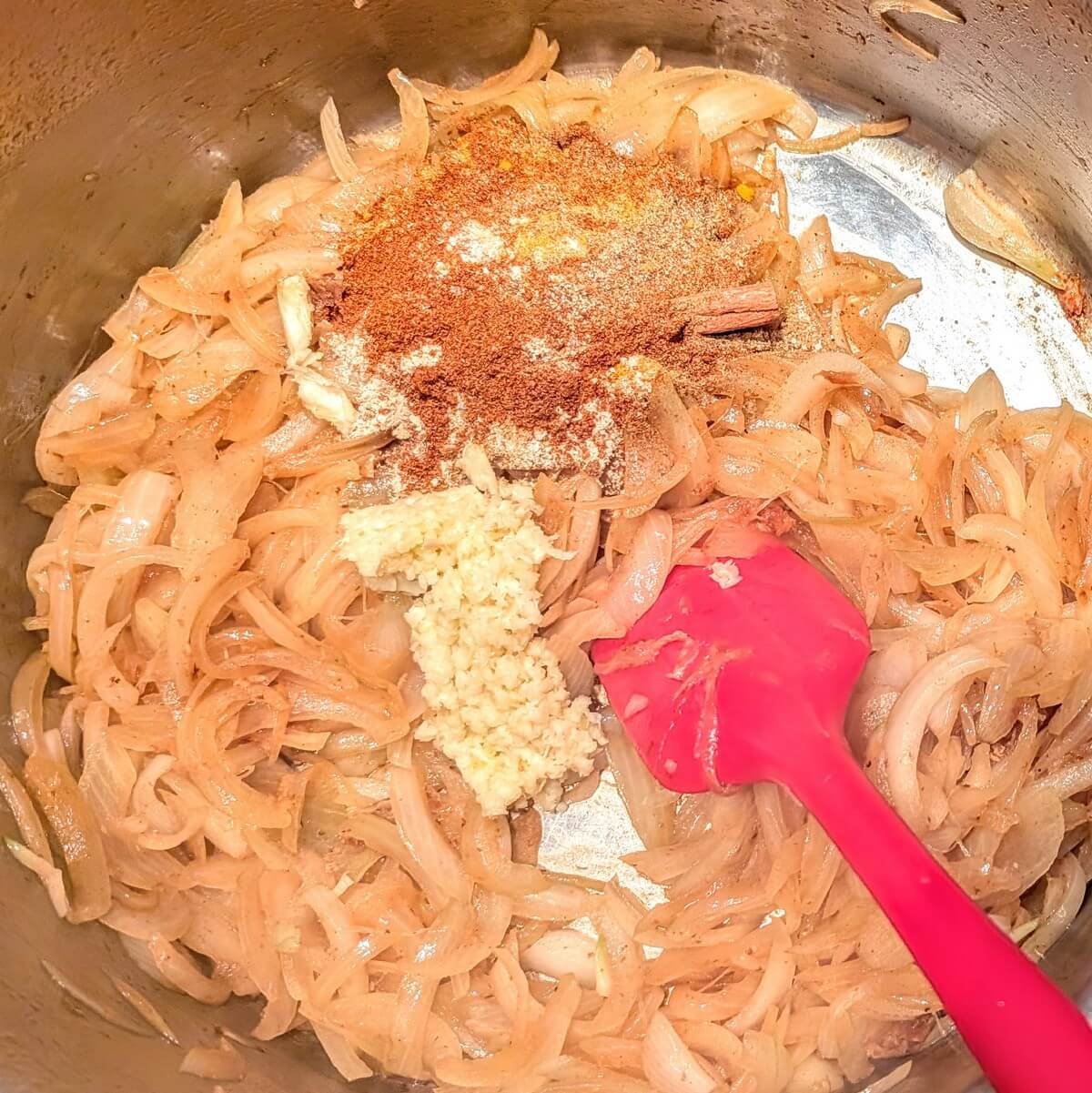
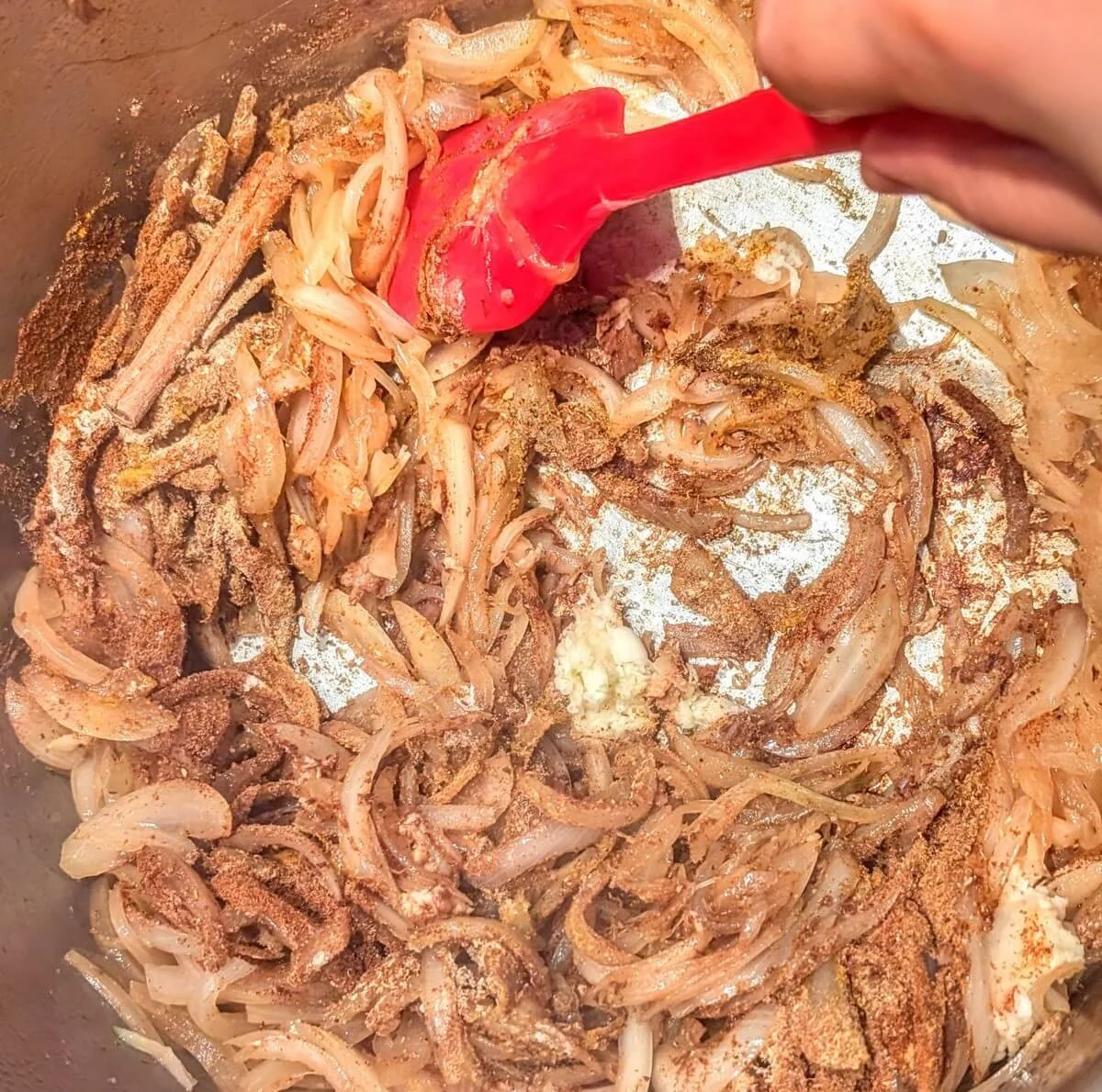
Add the minced garlic and the Moroccan spice blend. Stir well to coat the onions and cook for another 1–2 minutes, until the spices are fragrant and everything looks caramelized.
Step 3: Braise the chicken with stock, olives, apricots, and preserved lemon
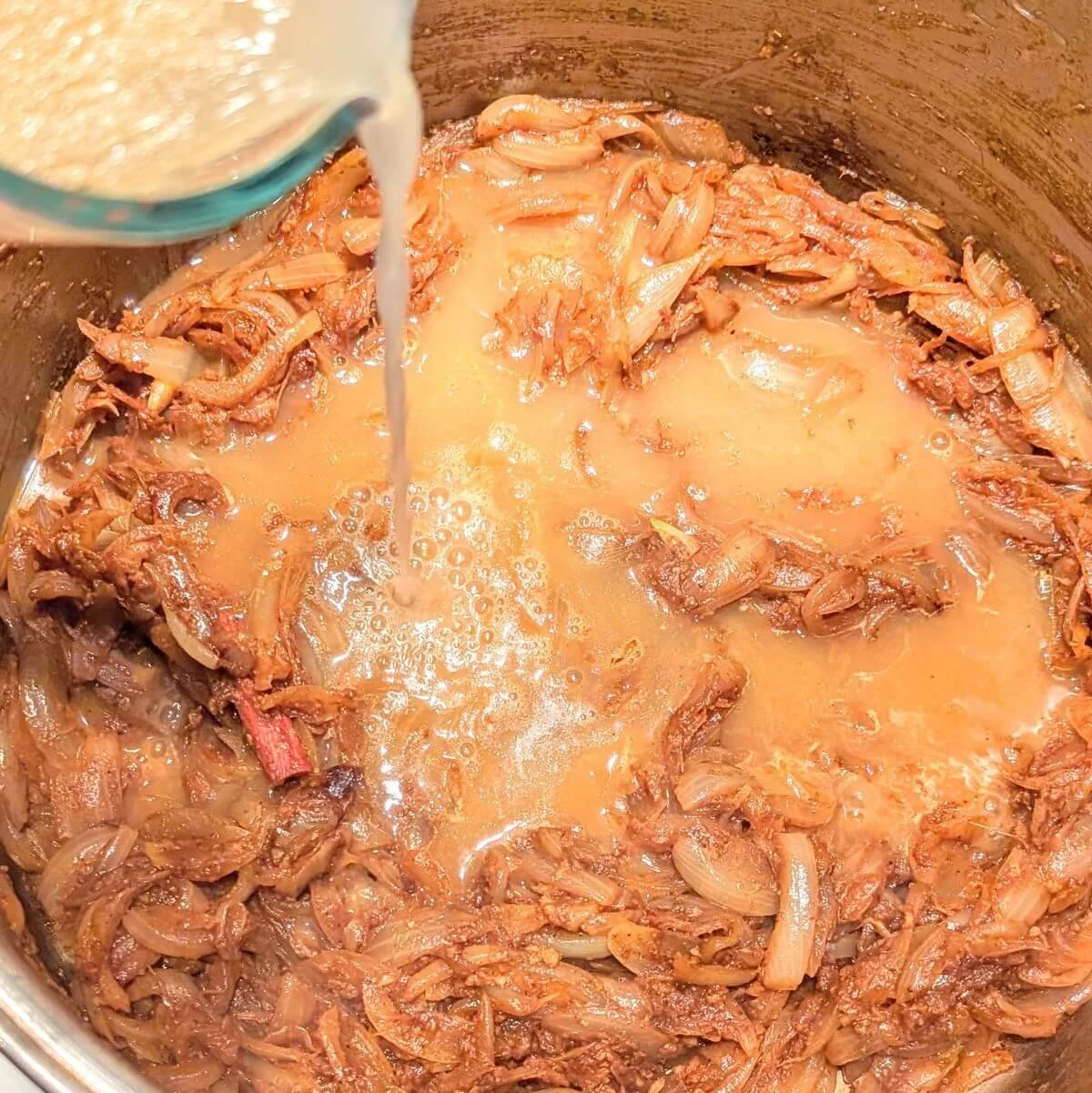
Pour in the chicken stock and stir well to deglaze the fond.
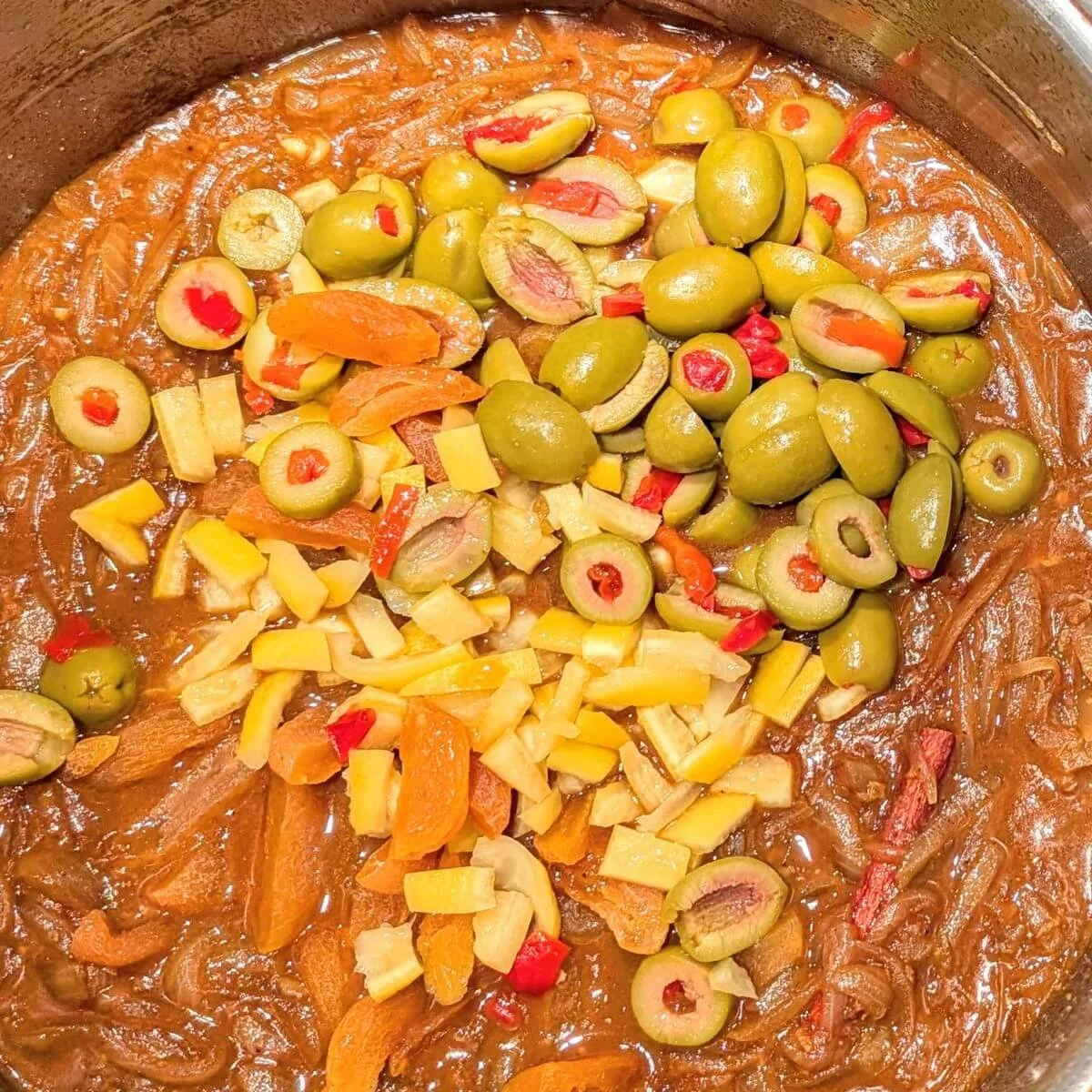
Stir in the sliced olives, halved dried apricots, and chopped preserved lemon peel. Nestle the seared chicken pieces back into the pot, skin-side up, arranging them in a single layer as much as possible. The liquid should come about halfway up the chicken.
Bring to a simmer over high heat, then cover with a tight-fitting lid and reduce the heat to low. Braise gently until the chicken is very tender, about 40 minutes.
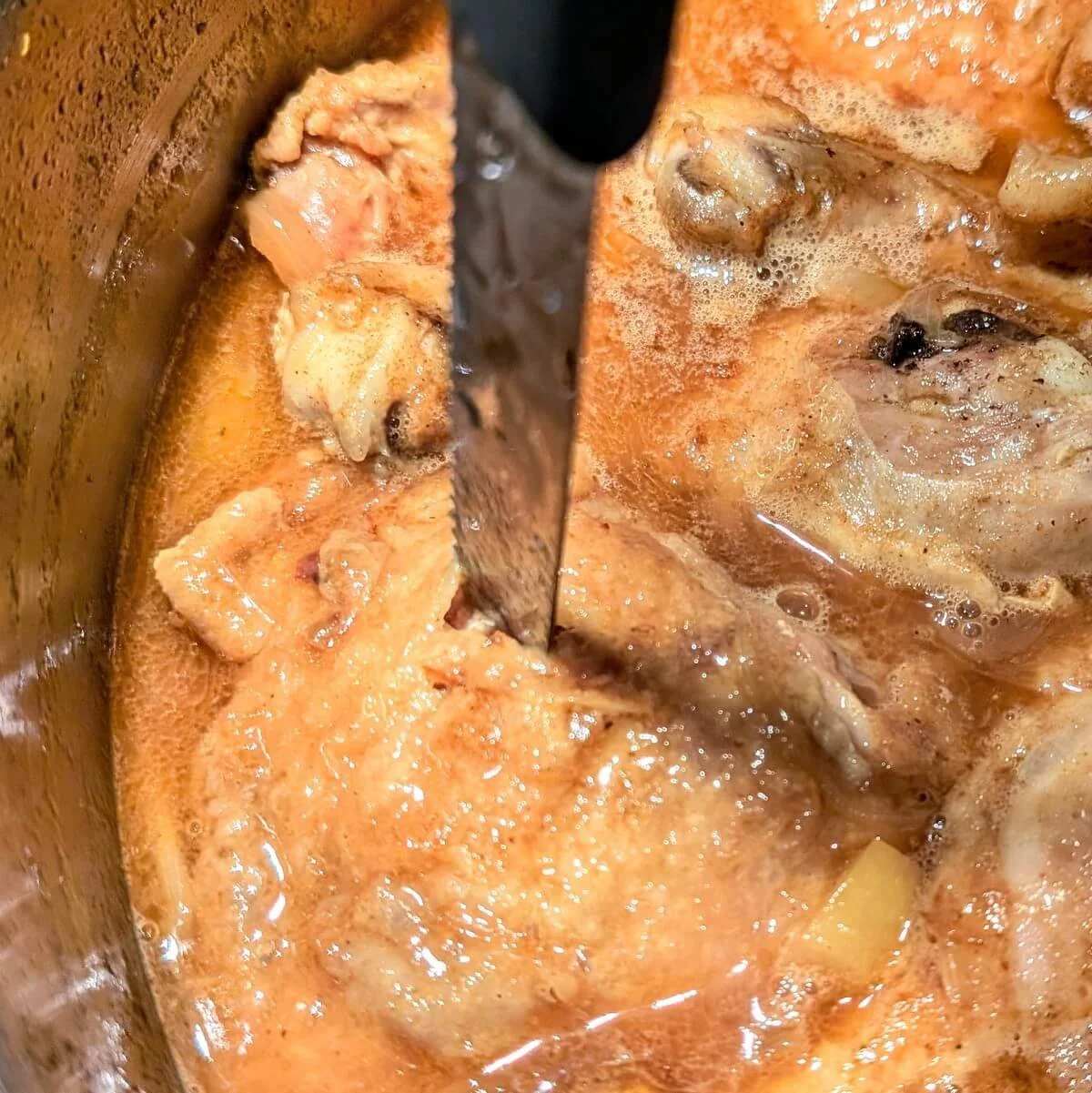
To check for doneness, insert a knife into the meat and twist—it should turn easily in a full circle. If there’s any resistance, continue braising until fully tender.
Once the chicken is tender, remove the lid and simmer for 15 minutes more to reduce the sauce and concentrate the flavor.
🍋 Lemon Tip: To prep preserved lemon, scrape out the pulp with a spoon and slice the softened peel into thin strips or a medium dice. And don’t toss that pulp! It works great in dressings like my preserved lemon vinaigrette to dress couscous, salads, or grain bowls.

Step 4: Serve the chicken tagine with couscous and fresh herbs
Taste the tagine and adjust the seasoning with salt and a squeeze of fresh lemon juice to brighten the flavors, if needed. Keep in mind that preserved lemon and olives are naturally salty, so go easy when adding extra salt.
Let it rest off the heat for at least 10 minutes before serving—this gives the sauce time to thicken slightly and helps the flavors meld.
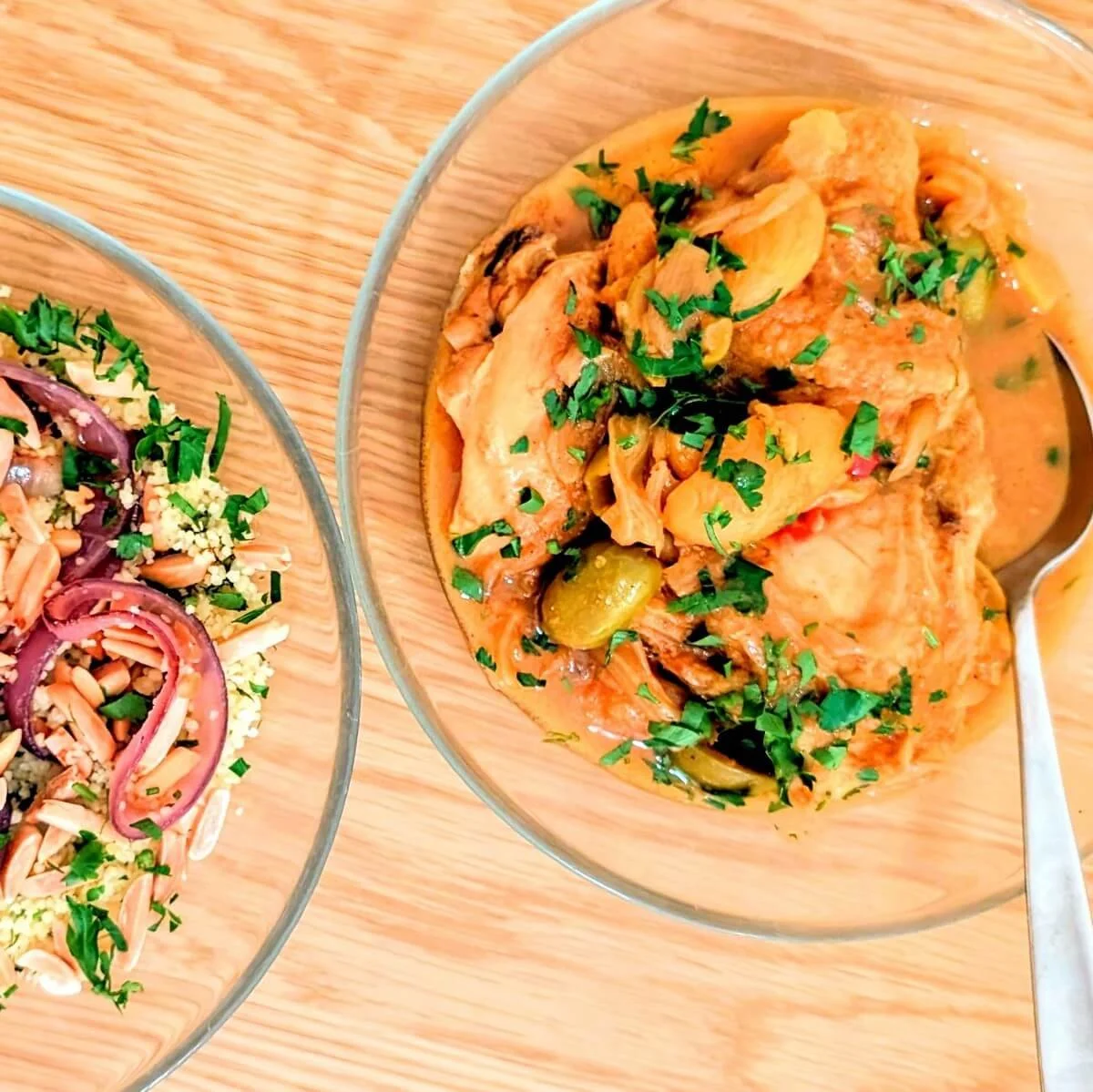
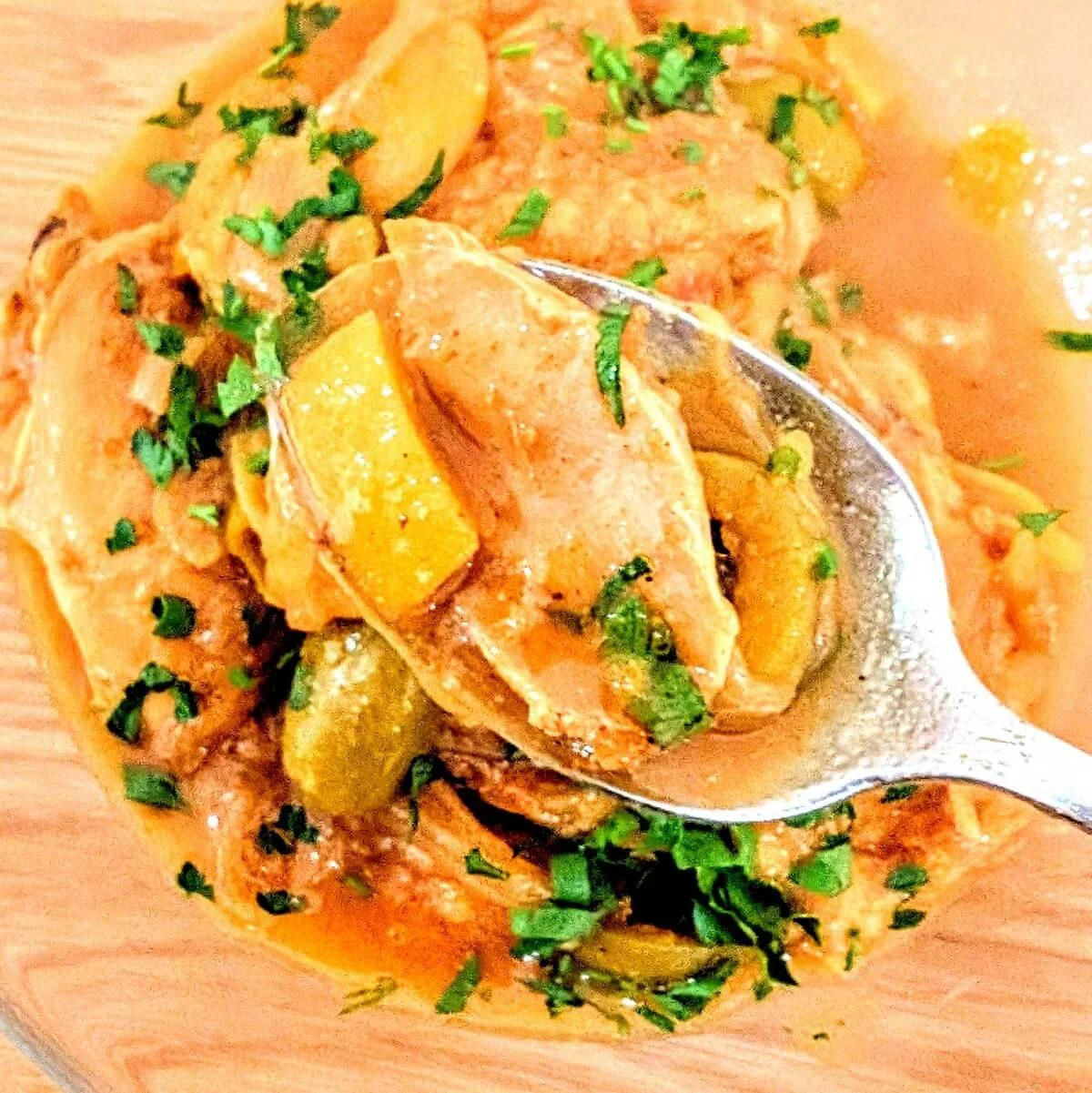
Serve topped with chopped fresh parsley if you like, and pair with a side of couscous or flatbread to soak up that golden sauce.
Pro Tips for the Best Chicken Tagine
Don’t skip the preserved lemon: It’s the signature flavor of this Moroccan chicken tagine. You can make your own homemade preserved lemon (if you can wait 4 weeks) or use store-bought in a pinch.
Don’t toss the pulp! The preserved lemon rind goes into the tagine, but the pulp is perfect in a preserved lemon vinaigrette, marinades, or soups. Even the brine can be used to season dishes the same way you would use soy sauce.
Don’t stir the pot: Once the lid goes on, leave it alone. Stirring can break apart the chicken and mess with the layers. You want the onions to stay on the bottom so they cushion the meat and prevent burning.
Let it rest before serving: Like any good braise, this tagine gets better with a short rest. It gives the sauce time to thicken and the flavors to fully round out.
Chicken Tagine Ingredient and Cooking Variations
Slow cooker method: After searing the chicken and sautéing the aromatics, transfer everything to your slow cooker. Cook on low for 4–5 hours or high for 2–3 hours, until the chicken is tender. Leave the lid off for the last 30 minutes to help reduce the sauce and intensify the flavor.
Chicken thighs: Bone-in, skin-on chicken thighs offer the best flavor and texture, but boneless, skinless thighs or breasts will also work. Just note that boneless cuts cook faster, so start checking around the 20-minute mark, and consider reducing the amount of chicken stock, since the liquid won’t have as long to reduce.
Preserved lemon: Nothing quite matches its salty-citrus punch, but in a pinch, you can mimic the flavor by mixing equal parts of fresh lemon zest, lemon juice, and something savory like miso paste, tamari, or just extra salt. It won’t be the same, but it adds brightness and umami.
Green olives: I used firm Greek pimento-stuffed green olives, but any brine-cured green olive will do. Avoid oil-packed or overly soft varieties, which can muddy the texture.
Dried apricots: Swap in chopped dried figs, golden raisins, or prunes for a similar sweet counterpoint to the savory elements.
Chicken stock: Use whatever stock you have on hand—chicken, veggie, or even water in a pinch. Just note that water won’t give you quite as much depth of flavor.
Spice blend: If using store-bought Ras el Hanout, start with 1 tablespoon and add up to 2 tablespoons to taste, depending on the strength of the blend.
How to Store Moroccan Chicken Tagine
Fridge: Store leftover chicken tagine in an airtight container in the refrigerator for up to 5 days. The flavors continue to develop, making it even better the next day.
To Reheat: Gently reheat the tagine in a covered saucepan over medium-low heat until warmed through, adding a splash of water or stock to loosen the sauce if needed. You can also microwave individual portions in 30-second bursts, stirring in between.
Freezer: Chicken tagine freezes well. Let it cool completely, then transfer to freezer-safe containers or bags. Freeze for up to 3 months. Thaw overnight in the fridge before reheating.
What to Serve with Moroccan Chicken Tagine
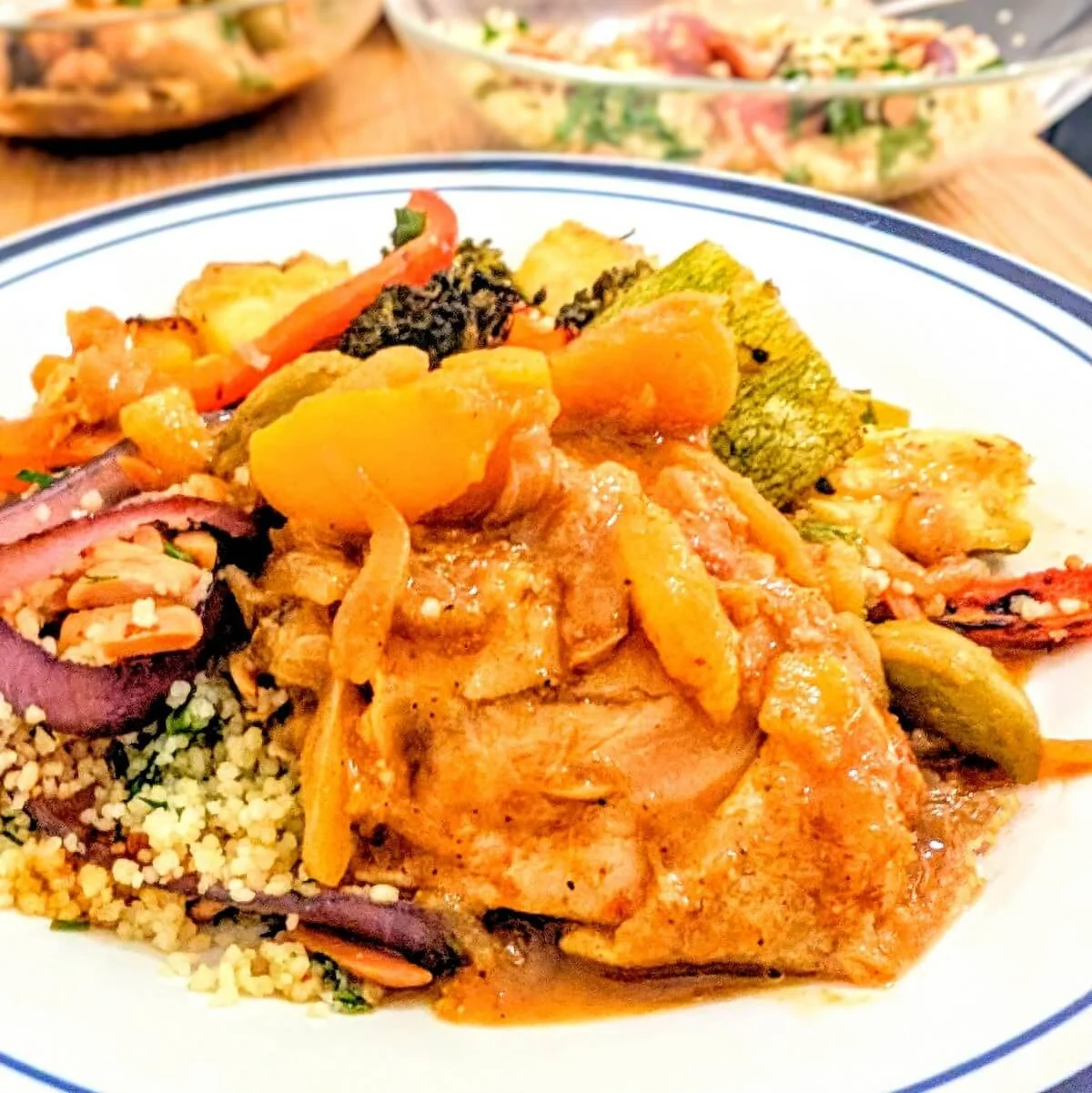
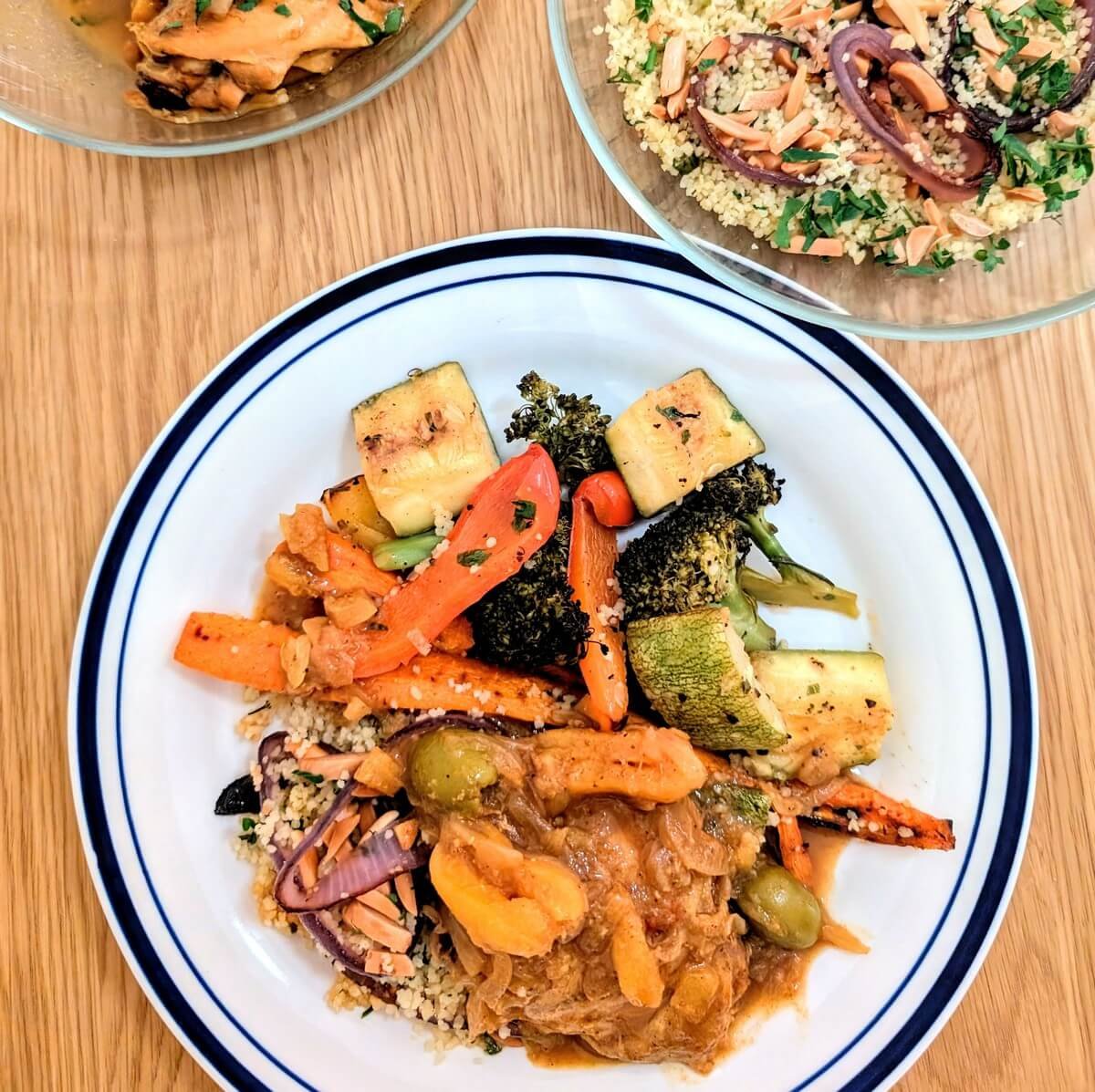
Couscous or rice: Serve your chicken tagine over fluffy couscous or rice to soak up the sauce. Try my guide on how to cook couscous with a kettle for the easiest, most foolproof method.
Flatbread or pita: Traditionally, Moroccan tagine is enjoyed with khobz, a thick, round flatbread perfect for scooping. For a similar effect, use warm flatbread like naan, soft pita, or even a crusty sourdough loaf.
Fresh salads: A crisp salad helps balance the richness of the stew. A simple leafy salad dressed in preserved lemon vinaigrette or quick blender tahini dressing works beautifully. You can also try my authentic tabbouleh salad or Middle Eastern chopped salad.
Vegetable sides: Round out the meal with flavorful vegetables like these Mediterranean oven-roasted veggies or marinated green beans.
Leftovers, reinvented: Shred leftover chicken tagine and add it to a grain bowl with couscous, herbs, and a tangy vinaigrette, or wrap it in a tortilla with greens, tomato, cucumber, and a swipe of hummus for an easy lunch.
Moroccan Chicken Tagine FAQs
If I have store-bought Ras el Hanout, how much should I use in this chicken tagine recipe?
If you're using store-bought Ras el Hanout, start by adding 1 tablespoon to the chicken tagine. You can add up to 2 tablespoons if your blend is mild or you want a bolder spice flavor. Taste and adjust as it cooks, as individual blends can vary.
Can I cook this chicken tagine in a traditional Moroccan tagine pot?
Yes, you can cook this chicken tagine in a traditional Moroccan tagine pot. For the best results, sear the chicken and sauté the onions, garlic, and spices in a separate pan first, then transfer everything into the tagine to braise.
Place the tagine over low heat (use a diffuser if your stovetop runs hot to keep the pot from cracking) and cover with the lid to cook gently until tender. Remove the lid for the last 15 minutes to reduce the sauce.
Can I make Moroccan chicken tagine in a slow cooker?
Yes, you can make Moroccan chicken tagine in a slow cooker. After searing the chicken and sautéing the aromatics, transfer everything to your slow cooker. Cook on low for 4–5 hours or high for 2–3 hours, until the chicken is very tender. Leave the lid off for the last 30 minutes to help reduce the sauce.
Can I use boneless or skinless chicken thighs in chicken tagine?
Yes, you can use boneless or skinless chicken thighs in chicken tagine. They’ll cook faster and won’t add quite as much richness as bone-in, skin-on pieces. Start checking for doneness around 20 minutes, and reduce the amount of chicken stock slightly since there’ll be less time for the sauce to reduce.
When do I add preserved lemons to chicken tagine?
You add preserved lemons when braising the chicken. Stir in the chopped peel with the olives and apricots before simmering. This lets the salty, citrusy flavor meld into the sauce as it cooks.
Why does my Moroccan chicken tagine taste bitter?
If your Moroccan chicken tagine tastes bitter, it’s usually from the preserved lemon or overcooked spices. Some preserved lemons have thick white pith that can add bitterness, so trim it off if needed. Also, be sure to sauté your aromatics gently—high heat can make spices taste harsh. And if all else fails, a teaspoon of honey at the end can help smooth it out.
How do I thicken chicken tagine if the sauce is too thin?
If your chicken tagine sauce is too thin, remove the lid and simmer for 10–15 minutes to reduce it. If the chicken is already very tender and you have a lot of liquid, take the chicken out and let the sauce simmer on its own, then return it once it thickens to keep the pieces from falling apart.
Can I make chicken tagine ahead of time?
Yes, you can make chicken tagine ahead of time—and it usually tastes even better the next day. Store it in the fridge for up to 5 days and reheat gently on the stovetop when you're ready to serve.
Can I double this preserved lemon chicken tagine recipe for a crowd?
Yes, you can double this chicken tagine recipe. Just make sure to use a large enough pot so the chicken isn’t too crowded—you can stack it in up to two layers, but avoid going higher. It may take a bit longer to come up to temperature and reduce, so give yourself extra time for simmering.
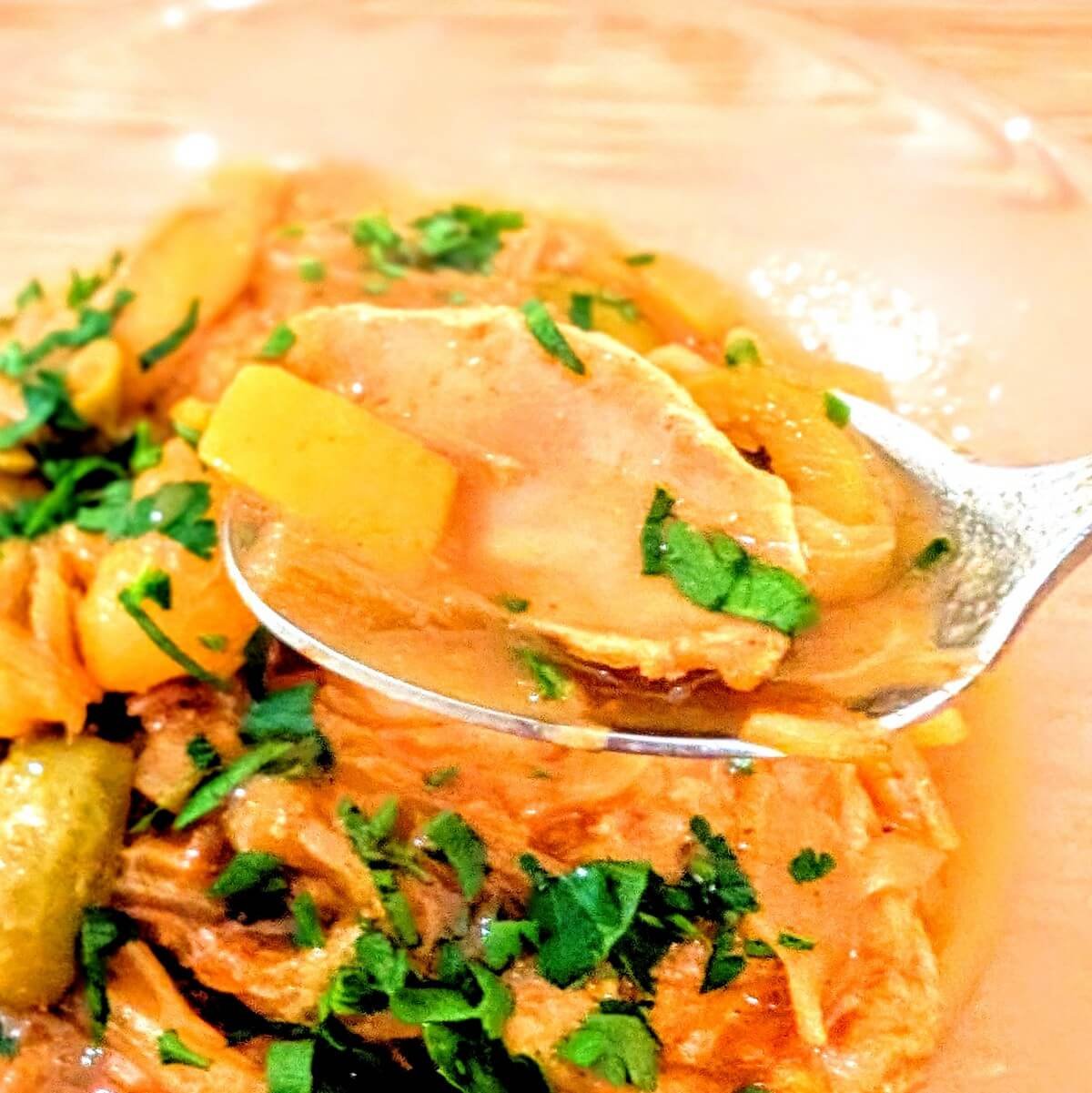
That’s It—Time to Dig Into Your Preserved Lemon Chicken Tagine!
While this tagine is rooted in Moroccan cuisine, as an Iraqi‑Canadian chef, it’s a flavor profile I’ve grown up with. We use many of the same warm spices and dried fruits in Iraqi stews, so this chicken tagine feels both familiar and deeply comforting to me.
Preserved lemons are what truly make this chicken tagine special. I first learned to make them in restaurant kitchens, where they’re used as a flavor booster in everything from savory sauces to sweet desserts. Salty, citrusy, tangy, and umami all at once, they add instant depth of flavor—and there’s zero waste since every part of the lemon is used.
🍋 Want to learn more about preserved lemons? Check out my complete preserved lemon guide for how to make them like a chef, plus tips on the best lemons, the right salt, and creative ways to use every part—from rind to pulp to brine!
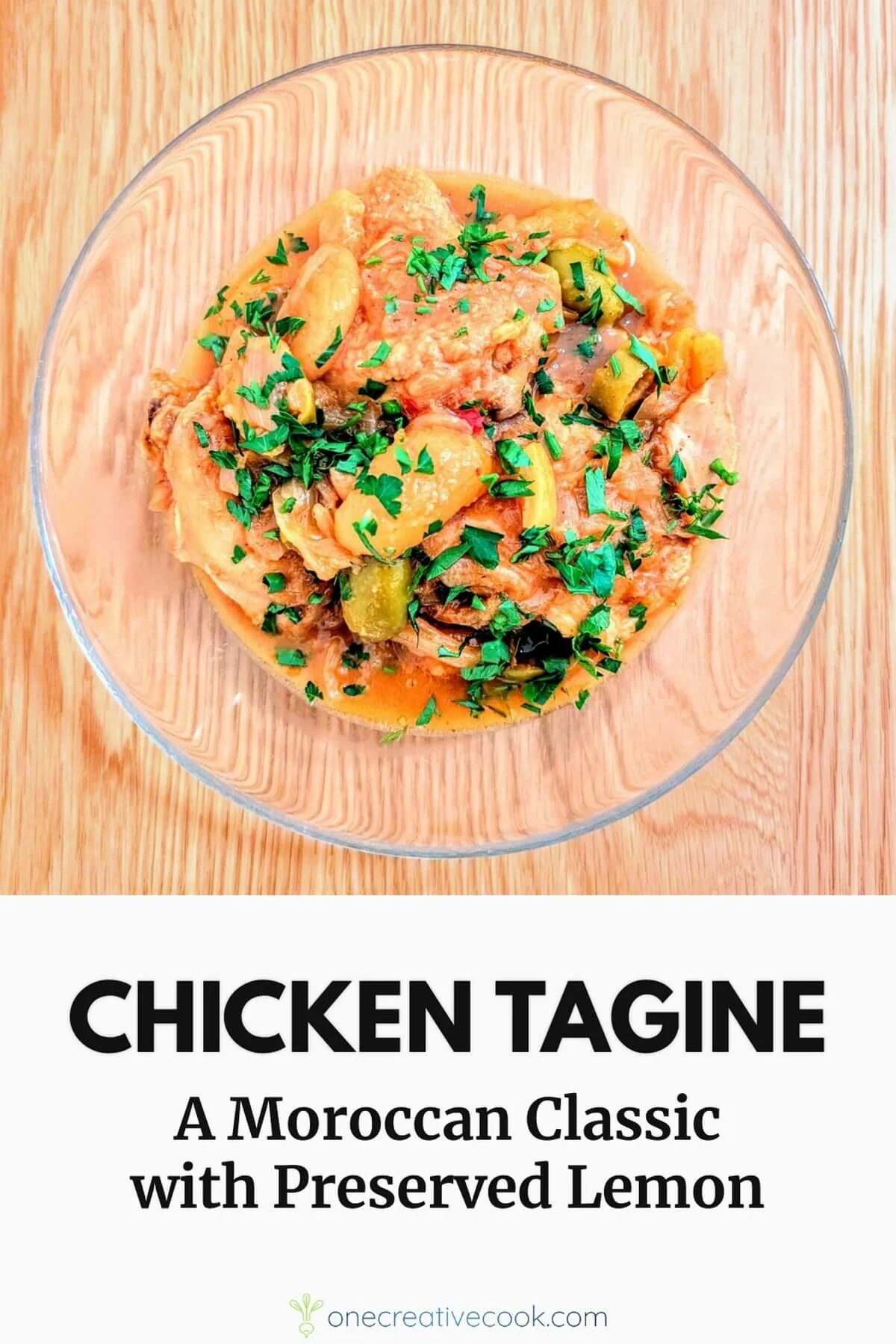
Pin This Chicken Tagine Recipe for Later!
Easy Moroccan Chicken Tagine Recipe
This Moroccan chicken tagine is packed with authentic flavor from preserved lemon, apricots, and olives.
Makes: 6 servings
Prep: 10 min Cook: 75 min
Dietary Notes: Gluten-free, Dairy-free, Egg-free, Low-carb, High-protein
Chicken Tagine Ingredients
6 whole chicken legs, drumsticks and thighs separated (skin-on or skinless)
2 large yellow onions, thinly sliced
4 garlic cloves, minced
1 preserved lemon, peel chopped (reserve pulp for another use)
½ cup green olives, pitted and halved
8–10 dried apricots, halved
1 cup chicken stock
olive oil, for searing
lemon juice, to taste
salt, to taste
chopped parsley, for garnish (optional)
Homemade Moroccan Spice Blend
1 tablespoon paprika
1 teaspoon ground cumin
1 teaspoon ground ginger
1 teaspoon ground coriander
½ teaspoon ground turmeric
½ teaspoon ground black pepper
1 small cinnamon stick (or ½ teaspoon ground cinnamon)
How to Make Moroccan Chicken Tagine
Sear the chicken until golden brown. Heat a heavy-bottomed pot over medium-high heat and coat the bottom with olive oil. Working in batches, sear the chicken skin-side down until golden on both sides, about 3–4 minutes per side. Season with a pinch of salt as they cook, then transfer to a plate.
Build the aromatic tagine base. Reduce the heat to medium and add the sliced onions. Stir and scrape up fond (bits on the bottom of the pot); cook for 6–8 minutes until softened. Add the garlic and Moroccan spice blend, stirring until everything is deeply fragrant and caramelized, about 1–2 minutes more.
Braise the chicken tagine. Stir in the chicken stock to deglaze the pot. Add the olives, dried apricots, and chopped preserved lemon peel. Nestle the chicken back in, skin-side up, and bring to a simmer. Cover and cook on low for 40 minutes, then uncover and simmer for 15 minutes more to reduce the sauce. Check for tenderness and continue cooking if needed.
Adjust seasoning and serve. Taste and adjust with salt and lemon juice if needed. Let the tagine rest off the heat for at least 10 minutes before serving. Serve with couscous, rice, or flatbread to mop up the sauce.
Top Tips for the Best Moroccan Chicken Tagine
Store it right: Keep leftover chicken tagine in an airtight container in the fridge for up to 5 days—the flavors continue to deepen, and it often tastes even better the next day.
Don’t skip the preserved lemon: It’s the signature flavor of Moroccan chicken tagine. Make your own with my preserved lemon recipe (if you’ve got 4 weeks), or grab a good store‑bought jar.
Save the preserved lemon pulp: The rind goes into the tagine, but the pulp is perfect for vinaigrettes, marinades, or soups. Even the brine adds a salty, citrusy kick—don’t waste a drop.
Don’t stir once it’s braising: After the lid goes on, leave it alone. Stirring can break up the chicken and disturb the layers—you want the onions on the bottom to cushion the meat and prevent sticking.
For more, check out my tips, substitutions, how to store, serving ideas, and FAQs!
Did you try this easy chicken tagine recipe?
I’d love to hear how it turned out—or how you made it your own. Leave a comment below or tag me on Instagram @onecreativecook so I can see your version!
More Middle Eastern Recipes You’ll Love
Cozy Middle Eastern chicken soup: Warm up with this simple, comforting chicken soup that packs lots of flavor with minimal prep—perfect for chilly nights or recovery meals.
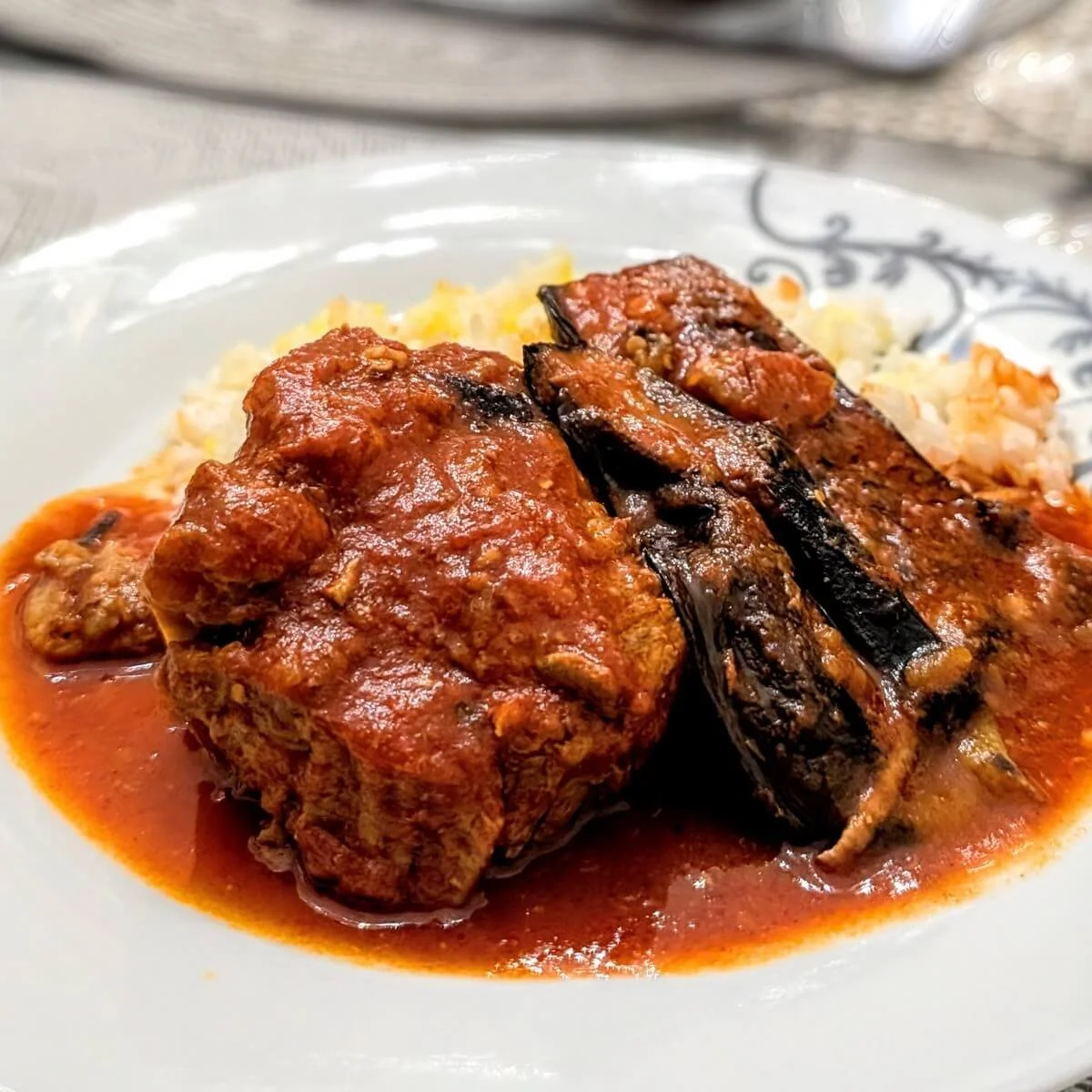
Lamb and eggplant stew: This traditional Iraqi stew, known as margat baytinjan, slowly braises tender lamb with smoky eggplant in a rich tomato sauce.
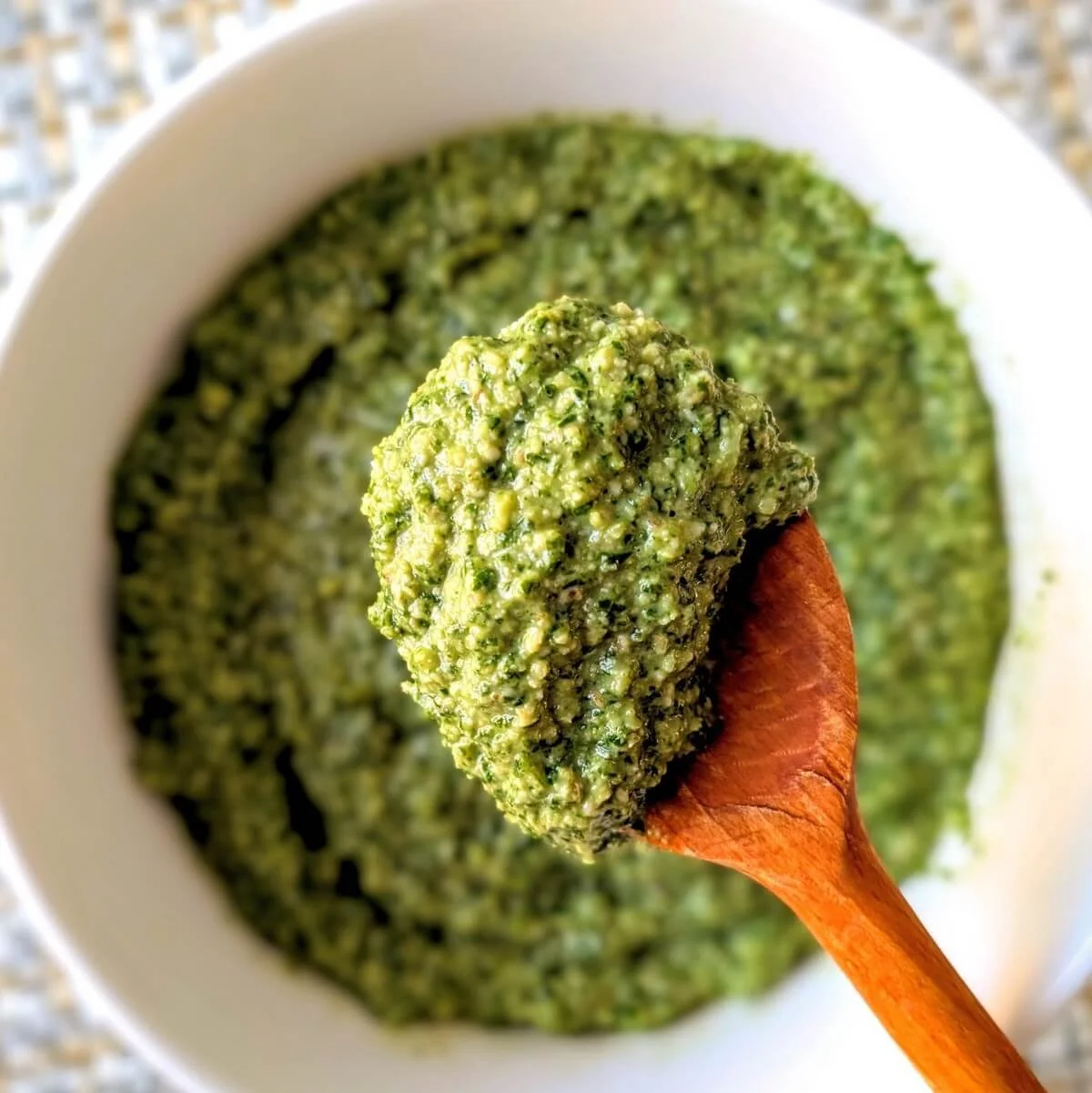
Spicy zhoug green sauce: Add bold heat to anything with this zesty Middle Eastern zhoug—bright, herbaceous, and perfect in wraps, with grilled meats, or as a dipping sauce.
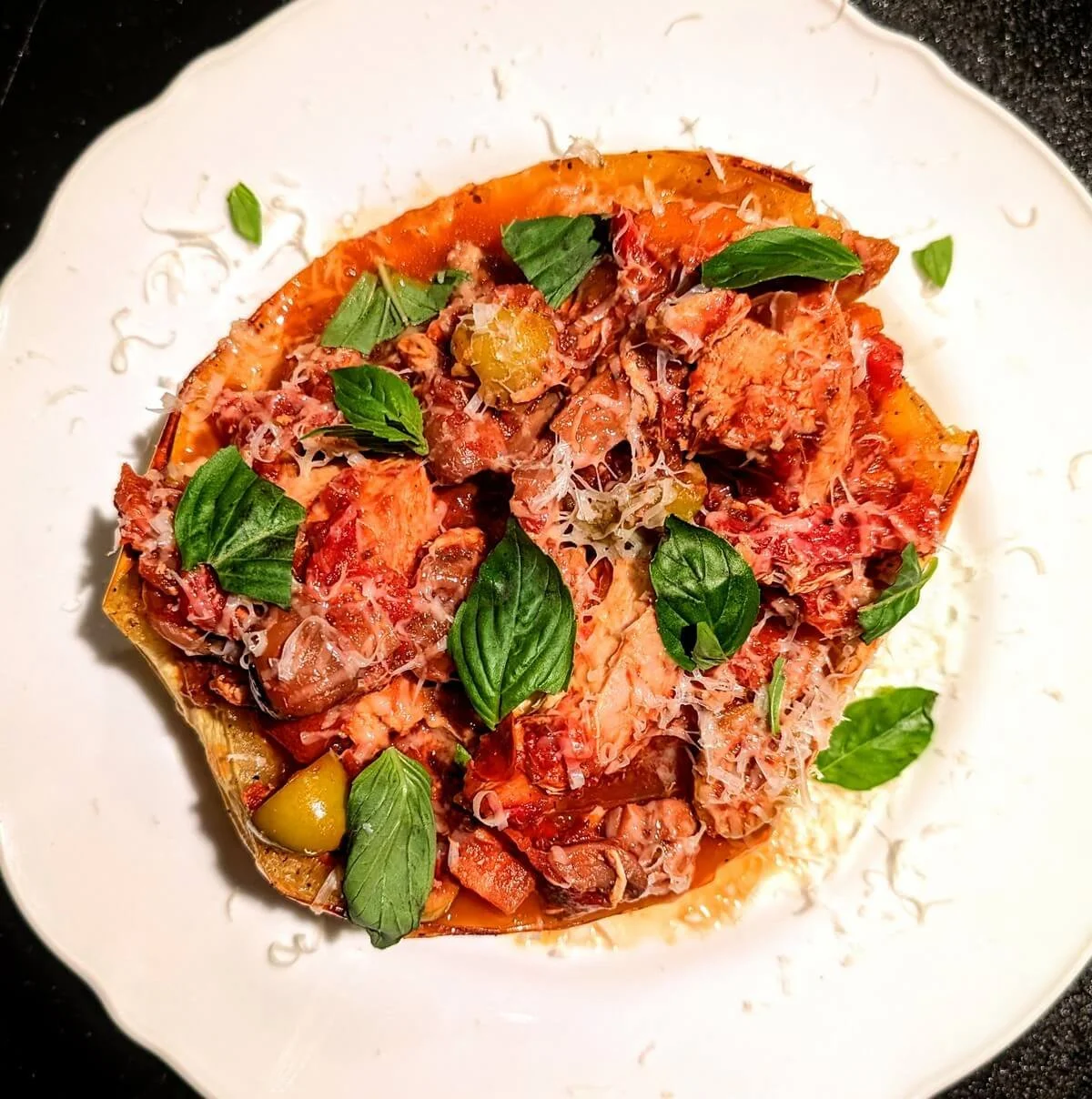
Grilled lamb roast with summer veggies: This showstopping grilled lamb roast and veggie platter brings smoky char and vibrant seasonal produce to your table.
Sheet pan shawarma chicken thighs: Skip the takeout—this juicy, spice-packed chicken roasts to perfection on a single sheet pan in your home oven.
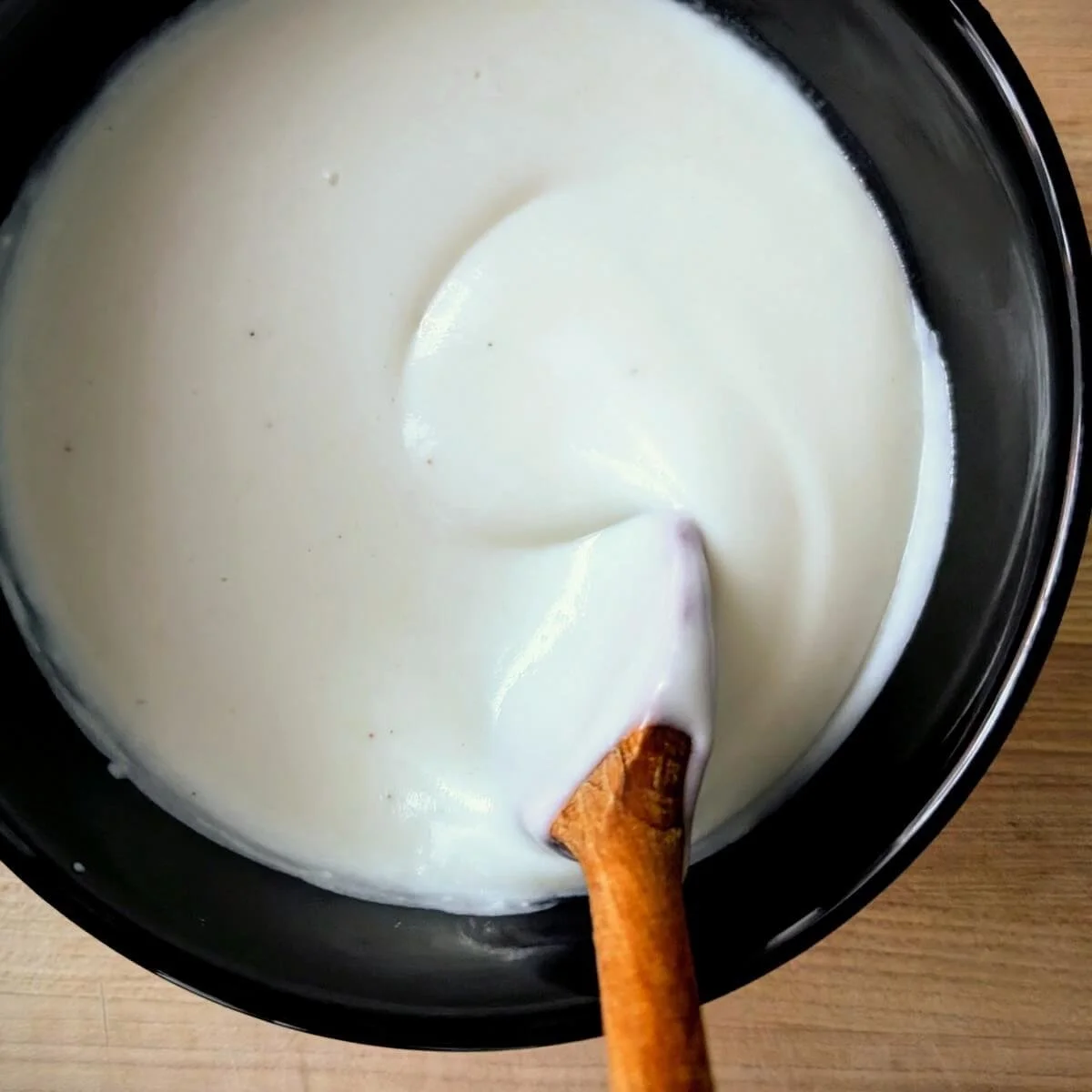
Iraqi cucumber yogurt sauce (jajik): Cool down spicy dishes with this creamy, tangy jajik—a refreshing yogurt and cucumber sauce that pairs beautifully with rich Middle Eastern mains.











These chef-tested gingerbread cookies are warmly spiced, chewy in the middle, and crisp around the edges, with homemade royal icing for holiday decorating.