

Arugula Basil Pesto
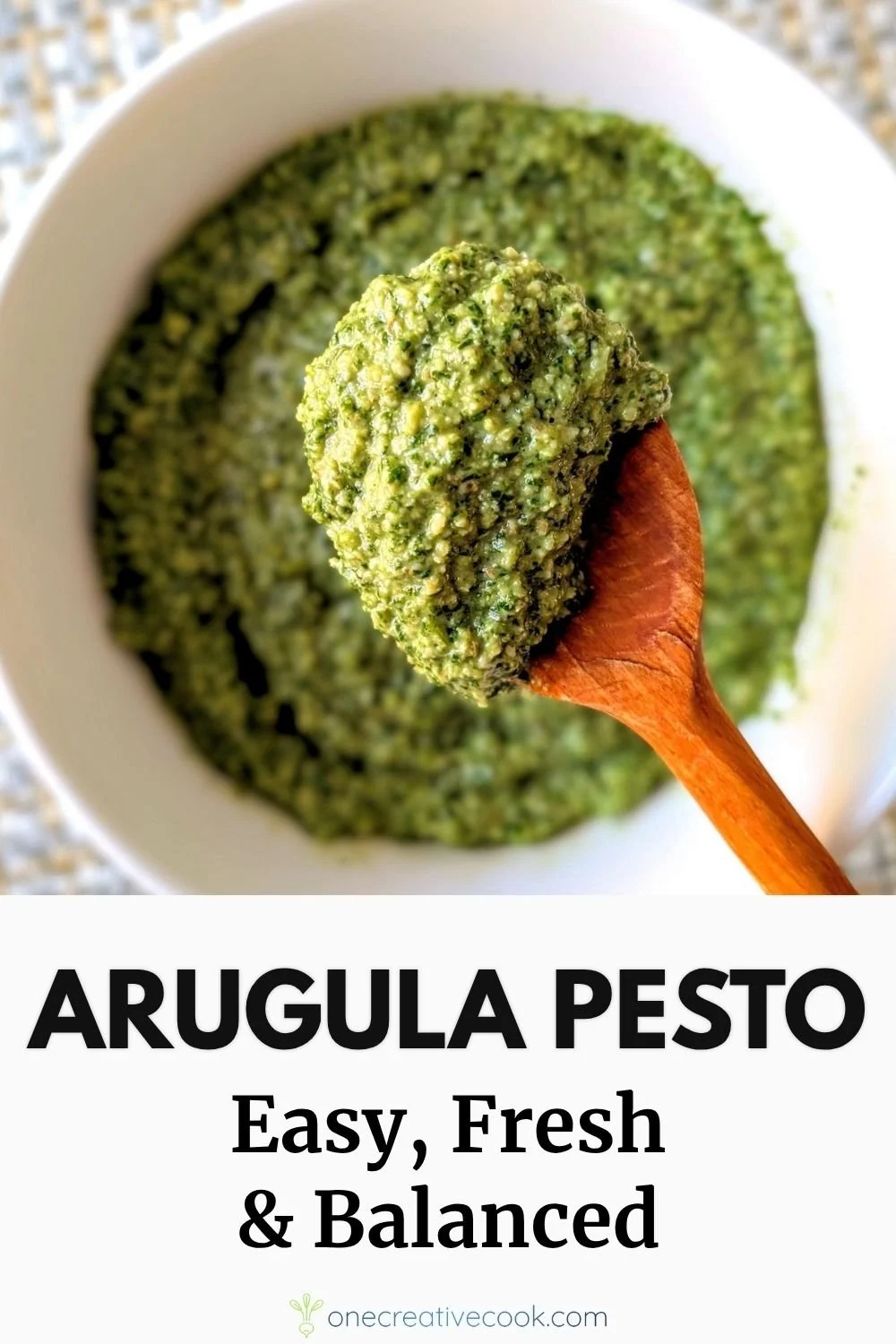
This arugula pesto balances peppery greens with basil, lemon, cheese, and walnuts for a sauce that stays vibrant and never bitter.
or read on for step-by-step instructions with photos
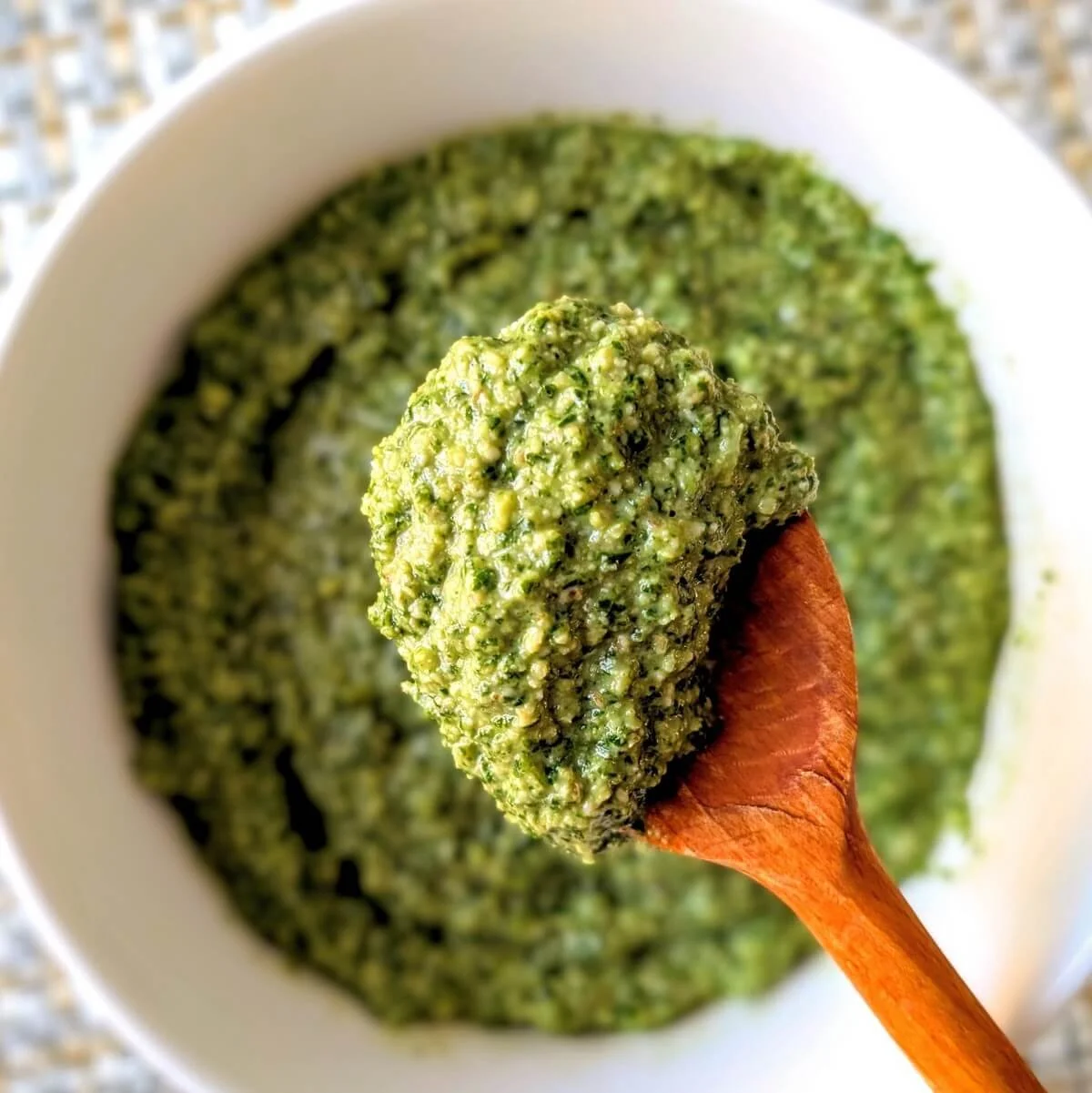
Why Use Arugula in Pesto?
After making pesto countless times, I started adding arugula for one simple reason: basil is expensive, and you need a lot of it. Cutting it with baby arugula adds volume and a mild peppery bite while keeping the flavor close to traditional pesto.
This arugula basil pesto still tastes familiar, just lighter and brighter. Lemon sharpens it, cheese adds umami richness, and walnuts bring an earthy sweetness. With just enough baby arugula in the mix, it stays vibrant without turning bitter.
Why This Arugula Basil Pesto Works
Balances the bitterness: Arugula on its own can taste sharp or aggressive, but choosing milder baby arugula and pairing it with basil keeps the flavor balanced and fresh rather than harsh.
Uses less oil for better control: A smaller amount of olive oil keeps the texture thick and naturally stable, so everything can go into the food processor at once without slowly drizzling. To thin it out, a splash of water or pasta water helps it coat pasta or salads without becoming greasy.
Keeps its green color: Quick blending and enough acid help slow oxidation so the pesto stays bright and green. Stored properly or frozen, it holds its color and flavor extremely well.
Next, I’ll walk you through this arugula basil pesto recipe step-by-step, so you can enjoy it in minutes.
Let’s get blending!
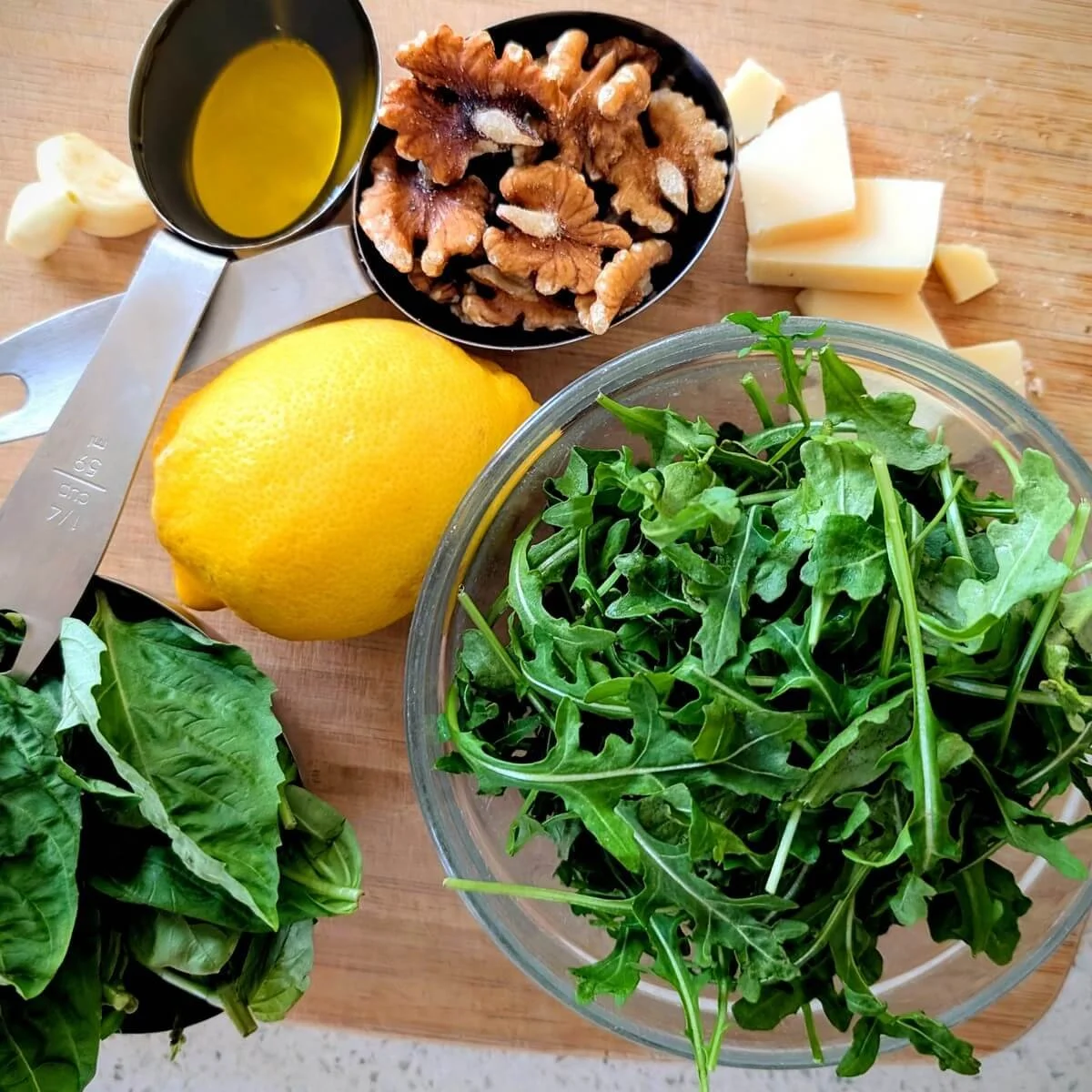
What You’ll Need
Arugula Basil Pesto Ingredients
1 cup baby arugula, packed
1 cup fresh basil, packed
½ cup walnuts
¼ cup extra virgin olive oil
1 clove garlic, peeled
1 lemon, juiced
1 ounce Grana Padano or Parmesan, cut into small chunks
½ teaspoon salt
Equipment for Making Pesto
Food processor
Measuring cups
Knife and cutting board
Citrus juicer
Spatula
Makes: about 1½ cups
Prep: 10 min
How to Make Arugula Basil Walnut Pesto
Step-by-Step with Photos
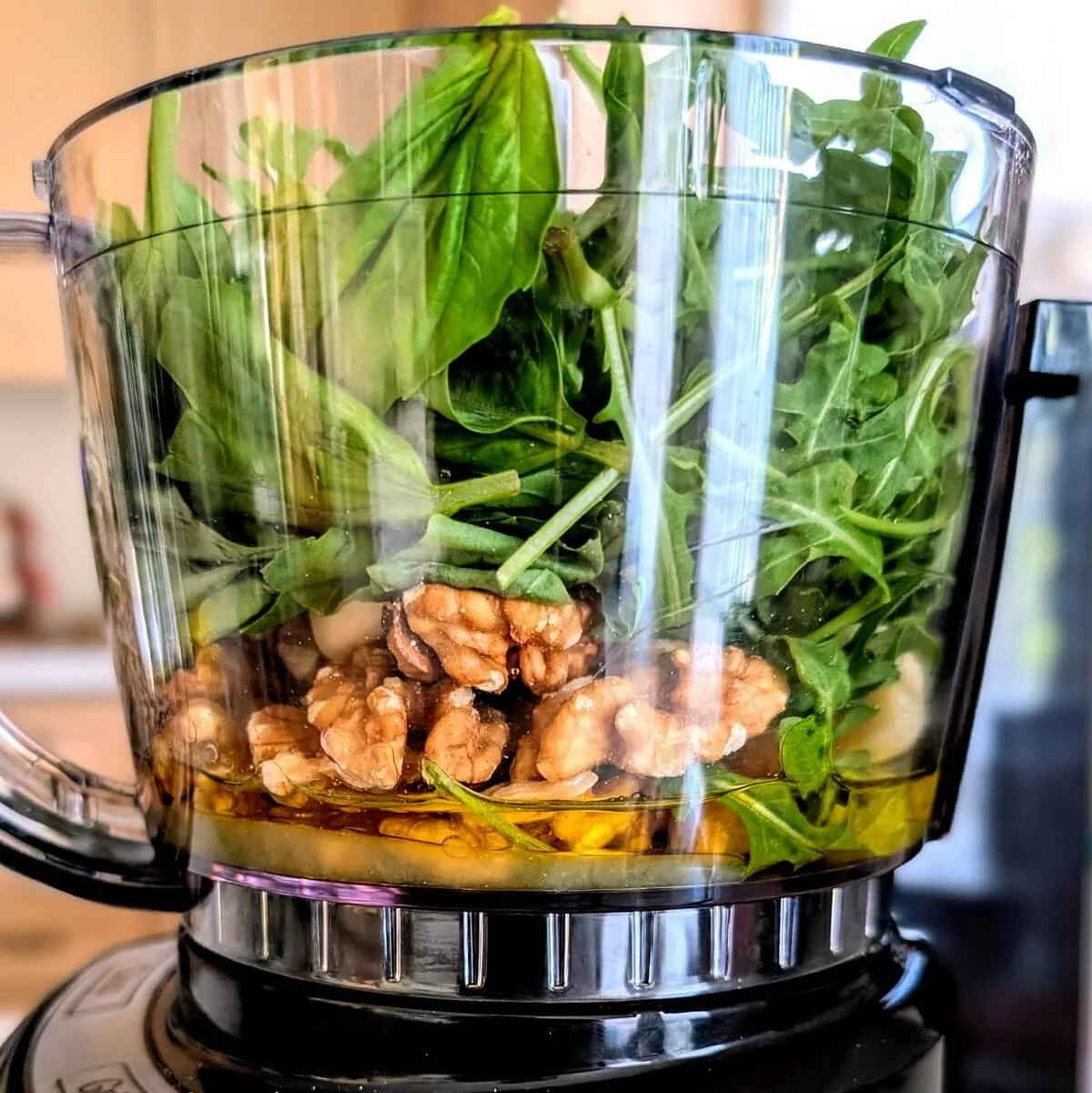
Step 1: Prep ingredients and add to the food processor
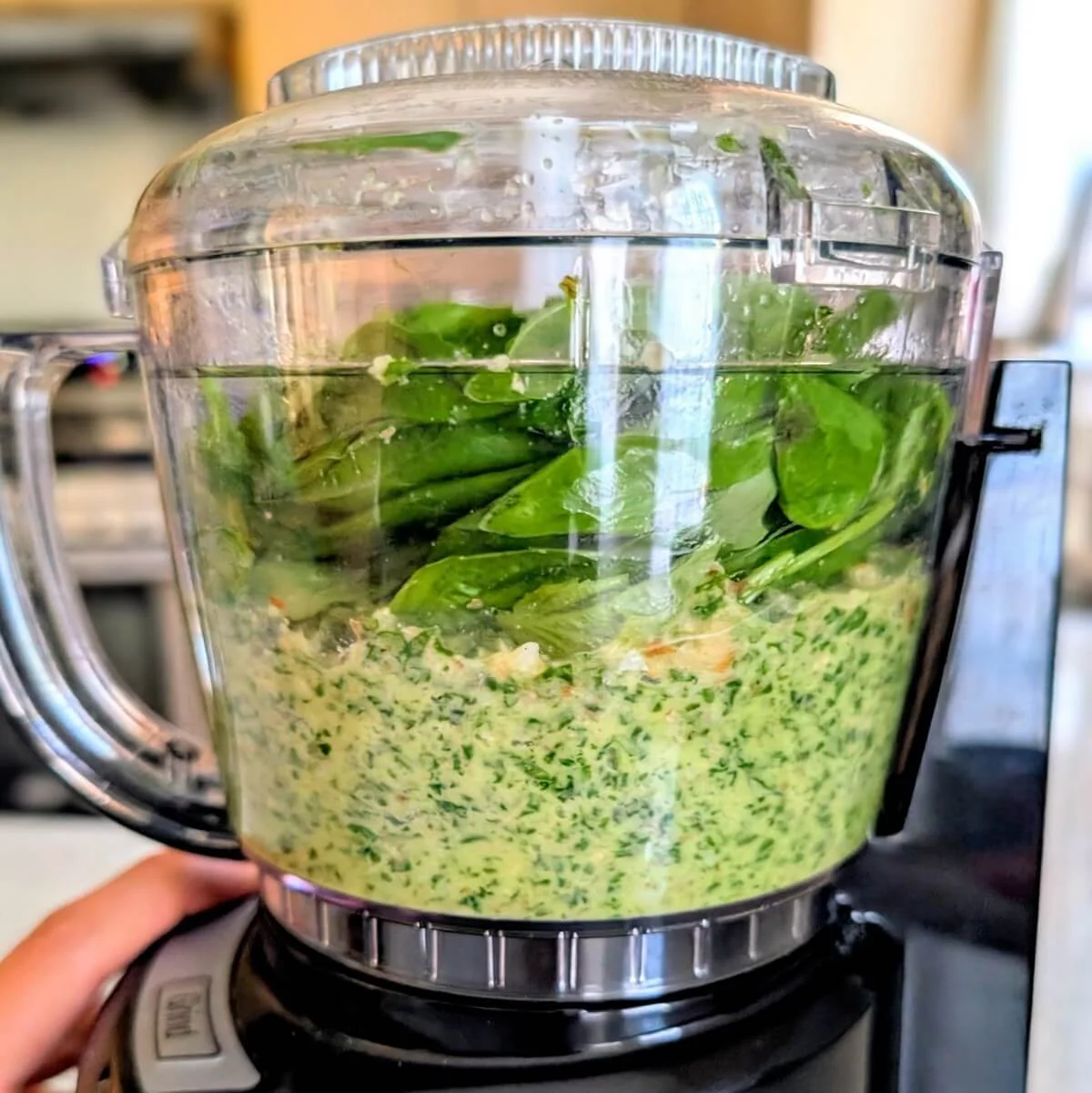
Measure and prepare all the ingredients first so everything is ready to go. Add the walnuts, olive oil, garlic, lemon juice, cheese, and salt to the food processor, then pile the basil and arugula on top so the heavier ingredients help the blades catch and start blending.
If you’re using a small food processor, don’t worry if all the greens don’t fit. Start with as much as you can, blend until they collapse, then add the rest in batches.
Garlic Tip: Garlic strength can vary significantly by size and freshness. If you prefer a milder pesto, start with half a clove and adjust after blending.
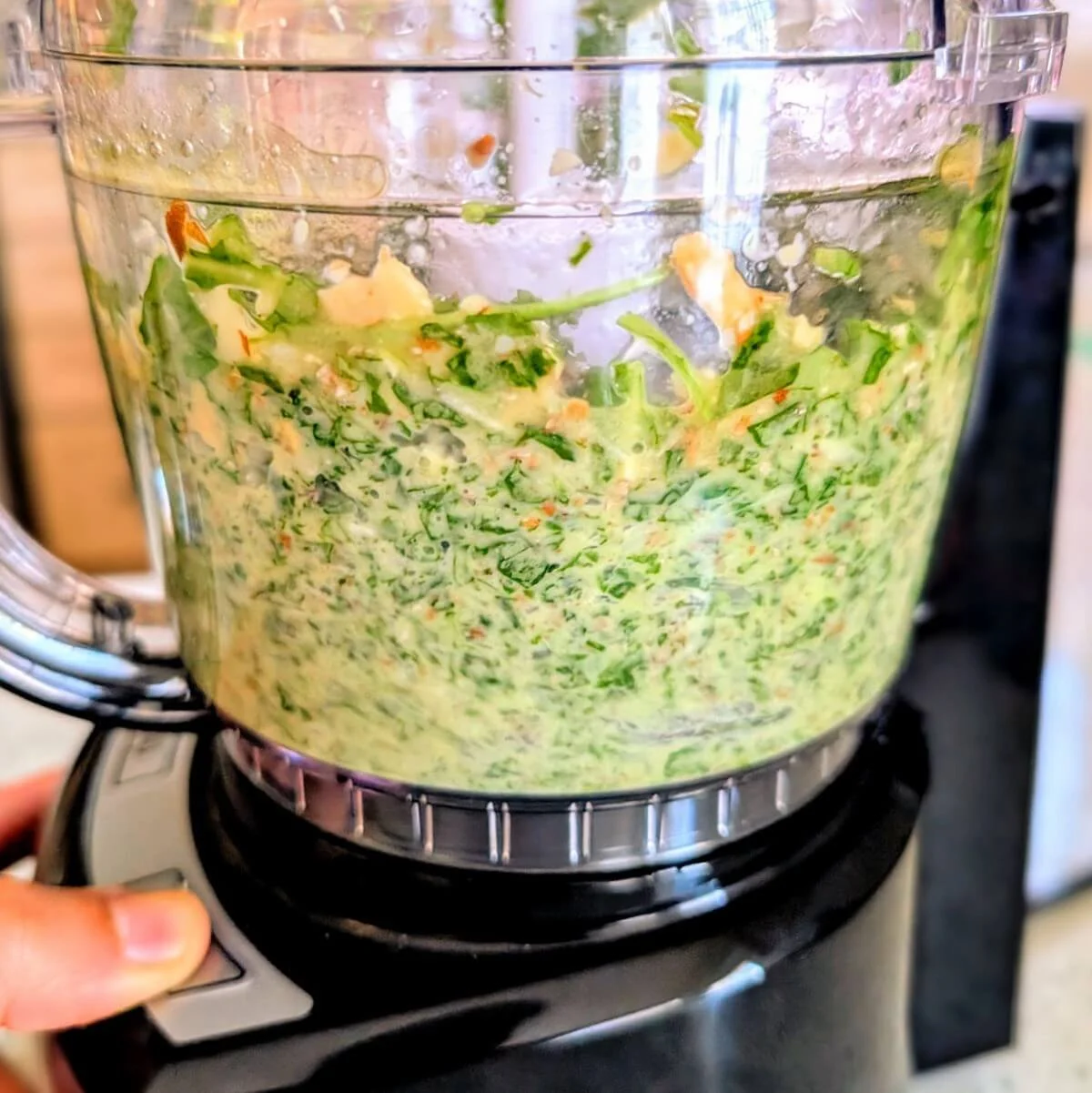
Step 2: Blend the arugula basil pesto until smooth
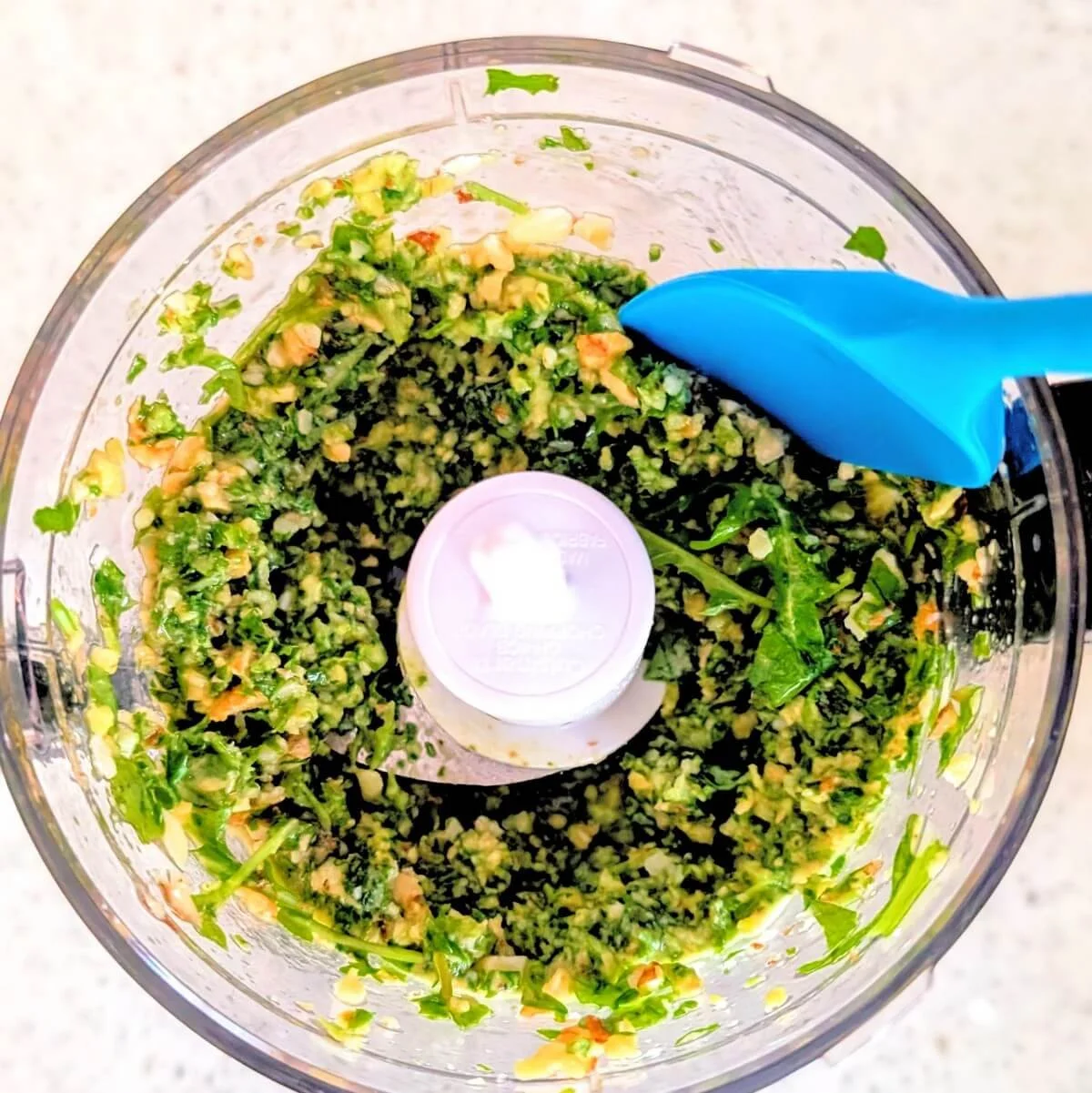
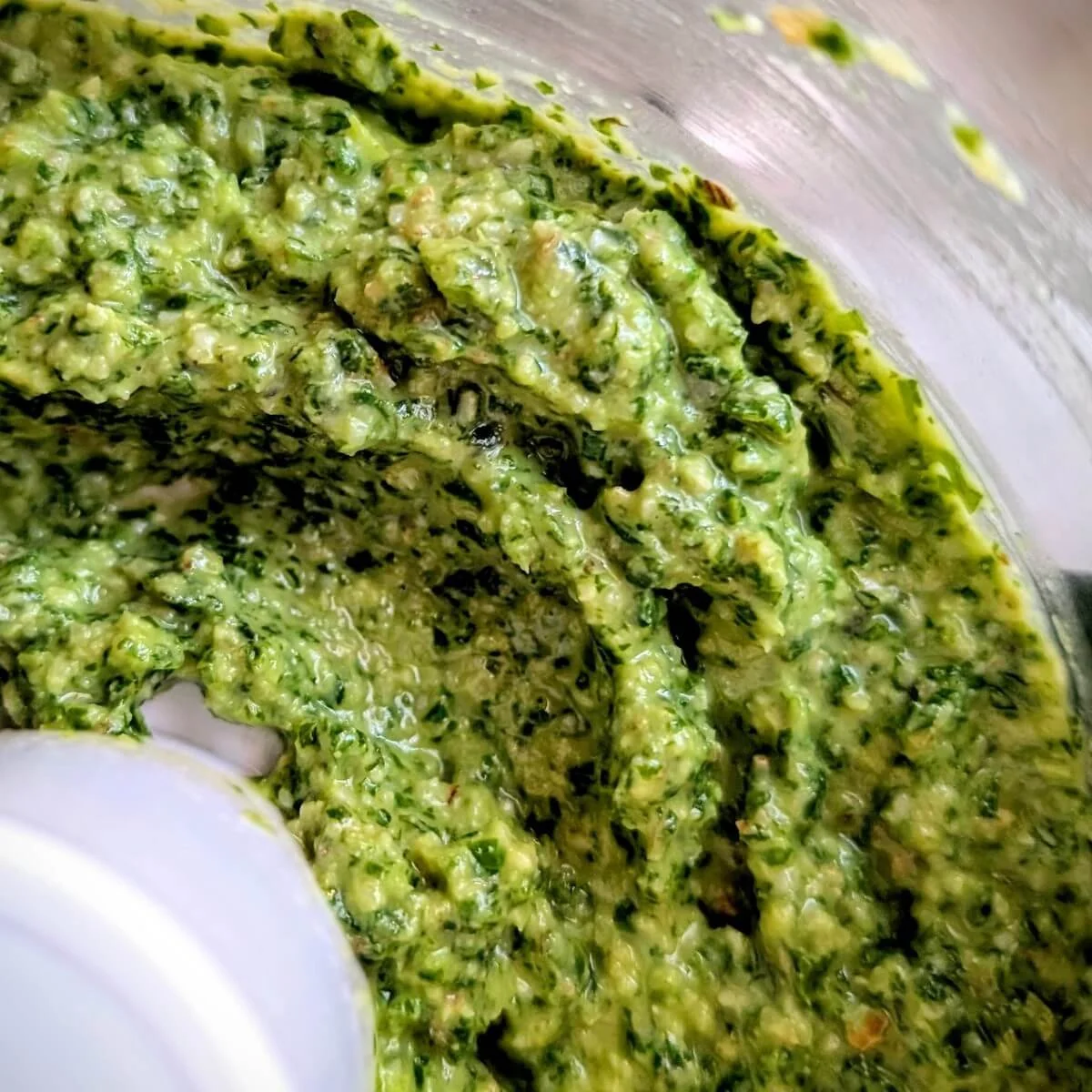
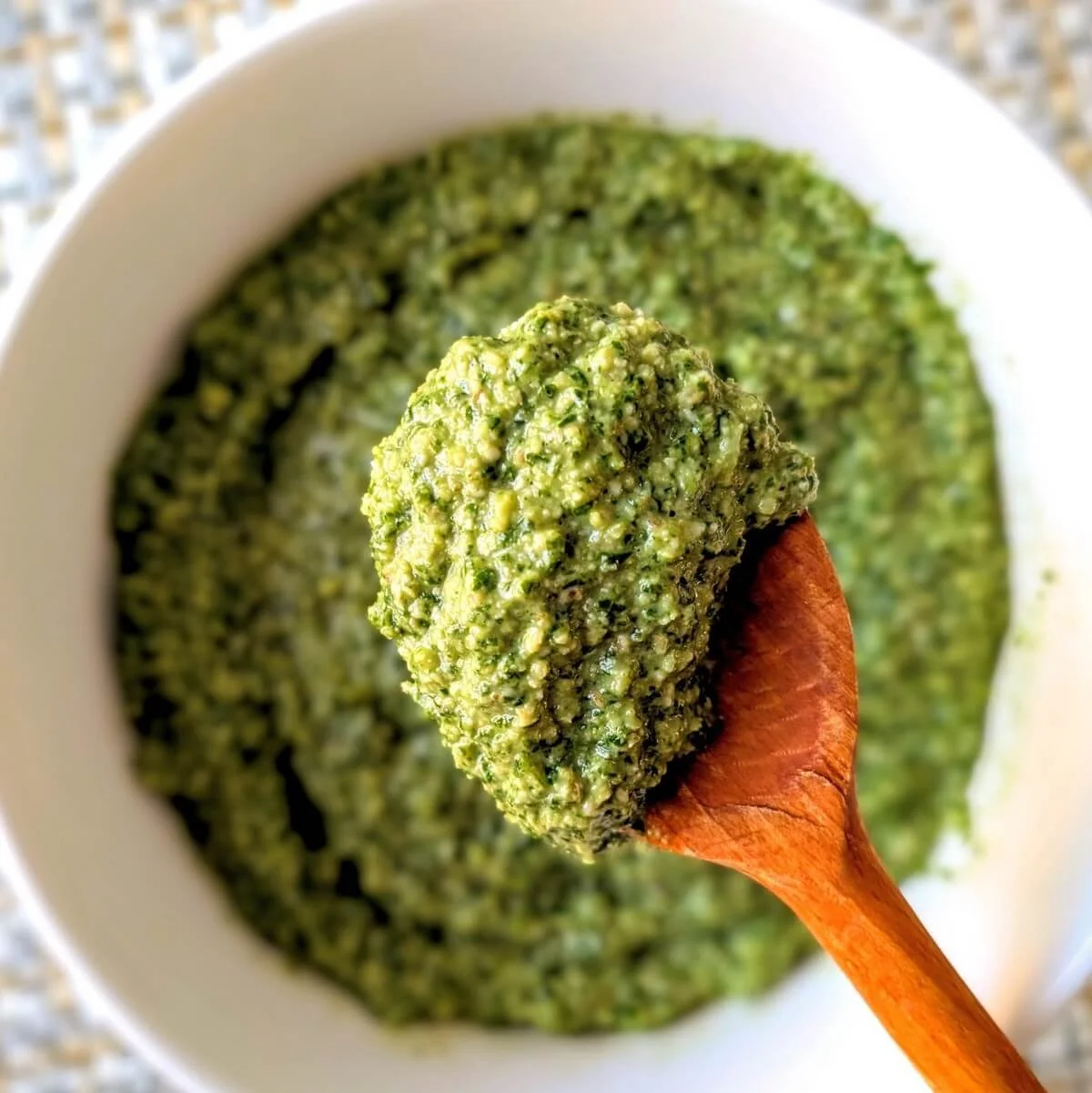
Blend until the greens break down and the mixture starts to come together. Stop to scrape down the sides with a spatula, and if you held back some of the leaves, add them now and continue blending until everything is incorporated.
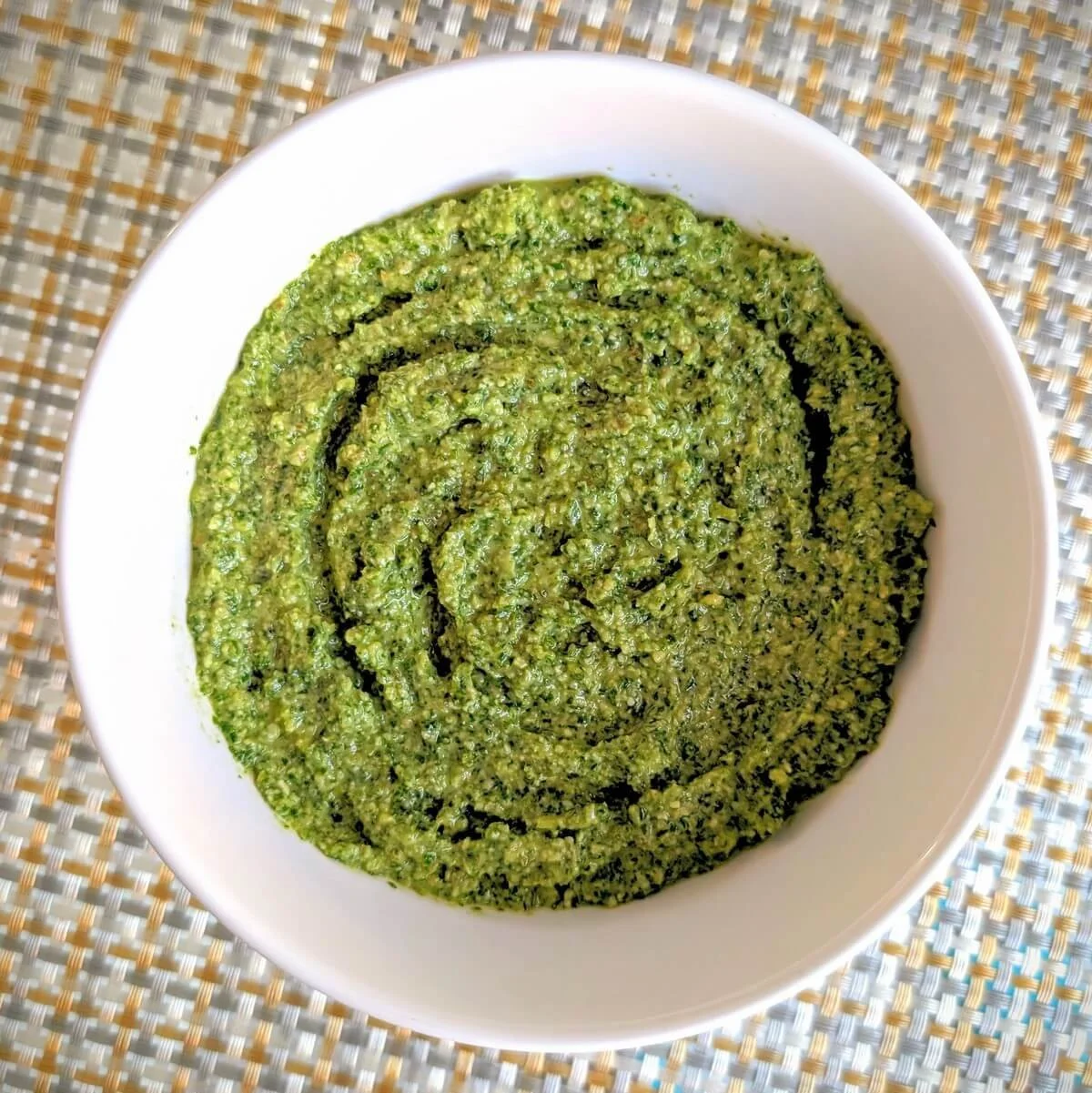
Avoid over-processing, which can warm the pesto and dull the color. The finished product should be thick, slightly textured, and spreadable rather than completely puréed.
Step 3: Adjust the seasoning and consistency
Taste the pesto and adjust as needed. Add a pinch more salt if it tastes flat, or a little more lemon juice if you want it zippier.
If the pesto feels too thick, thin it with a small splash of water rather than more olive oil. This keeps the flavor fresh and balanced instead of heavy or greasy.
Transfer to a bowl or storage container and use immediately, or refrigerate for a couple of hours if you have time. Letting it rest helps the flavors settle and come together.
How to Use Arugula Basil Pesto for Pasta
Reserve some of the pasta cooking water before draining. That starchy water helps the pesto cling to the noodles and turns it into a silky, emulsified sauce. I usually reserve at least a cup so I know I won’t run out.
Always add the pesto off the heat. Once the pasta is cooked, turn the burner off, strain it, and return it to the pan before stirring in the pesto and a splash of pasta water. Add more of the pasta water a little at a time until the noodles are evenly coated and lightly sauced. Keeping the heat off helps protect that fresh herbal flavor and keeps its color intact.
Finish gently and serve immediately. If you want the sauce a little richer, a small pat of butter at the end rounds everything out and gives it a smoother finish. If you’re adding vegetables or protein, cook those first, then combine everything off heat with the pesto and pasta water as the final step.
How to Fix Overly Bitter or Peppery Arugula Pesto
Bitterness is usually a balance issue. Intensity can come from mature arugula, a strong olive oil, or just under-seasoning. Start with a pinch more salt or a small splash of lemon juice to dial down the bitterness.
Fat and sweetness help round out aggressive notes. A little more cheese or a few extra nuts add richness that softens the edges. If needed, a very small amount of honey or maple syrup can smooth things out without making the pesto taste sweet.
Let it rest before making bigger adjustments. Even an hour or two in the fridge can help the flavors settle and mellow. What tastes sharp right after blending often feels far more integrated once it has had time to rest.
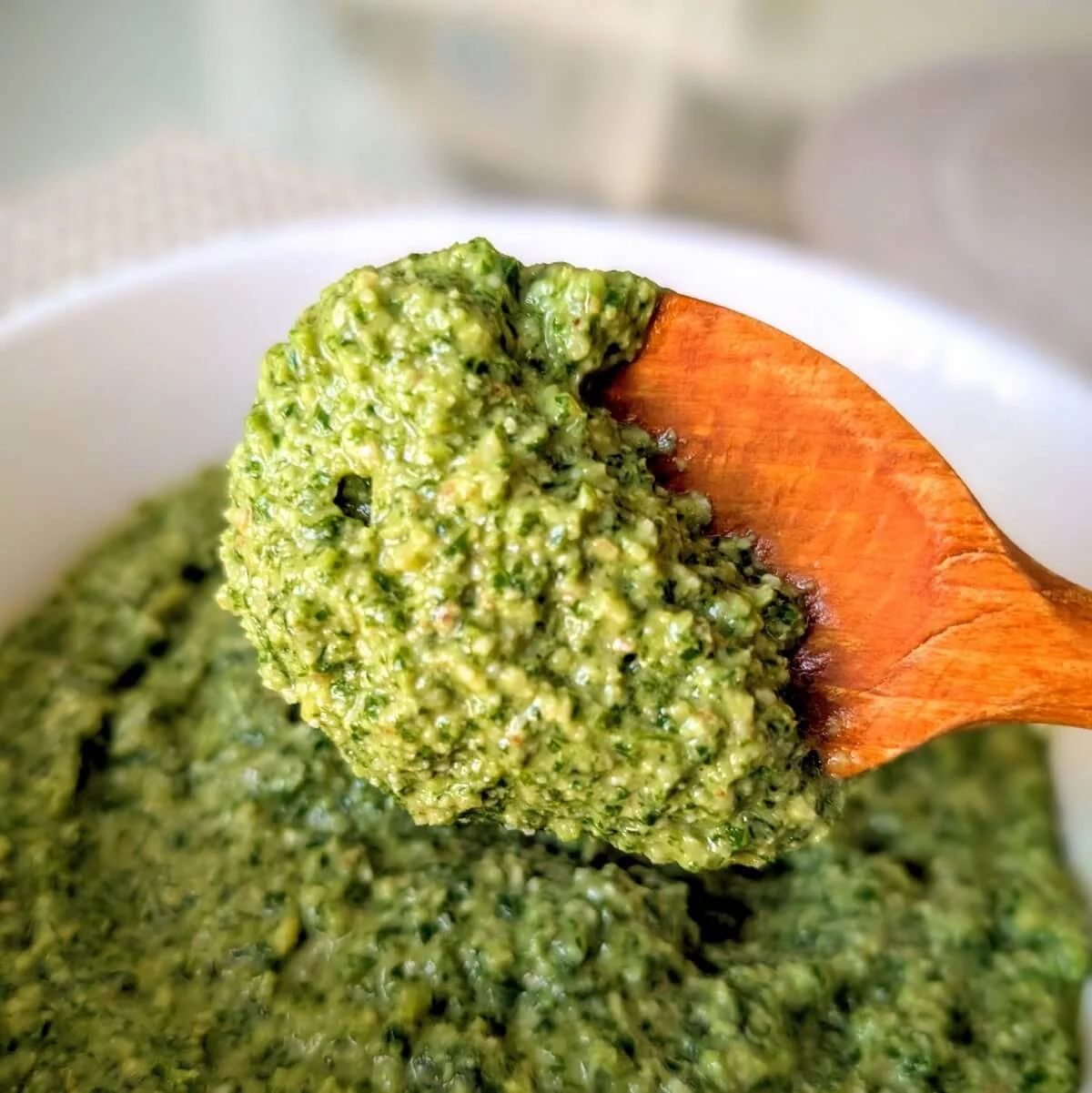
Ingredient Swaps for Arugula Basil Walnut Pesto
Walnuts: Pine nuts keep it classic, cashews make it creamier and slightly sweeter, and macadamias add richness. Pumpkin seeds or sunflower seeds work well for a nut-free option. Toasted nuts or seeds bring a deeper, more savory flavor, while raw ones keep it fresher and lighter.
Baby arugula: Mature or wild arugula can be used, but they taste sharper and more peppery. Spinach is a milder option if you want a softer, less assertive result.
Basil: If you’re short on basil, increase the arugula slightly and adjust seasoning carefully. Other herbs like parsley, chives, dill, or mint can be added or substituted, though the flavor will veer away from a traditional pesto profile.
Grana Padano or Parmesan: Pecorino Romano adds saltier, tangier notes. For a dairy-free option, use a vegan Parmesan or nutritional yeast for a similar savory depth, though the pesto will be slightly less rich.
Extra virgin olive oil: Choose a mild oil if you’re sensitive to bitterness—strong, peppery oils can amplify the sharpness of the greens. You can replace part or all of the olive oil with grapeseed or sunflower oil for a lighter flavor. In professional kitchens, we often use a 1:1 blend of olive oil and neutral oil to soften intensity while maintaining richness.
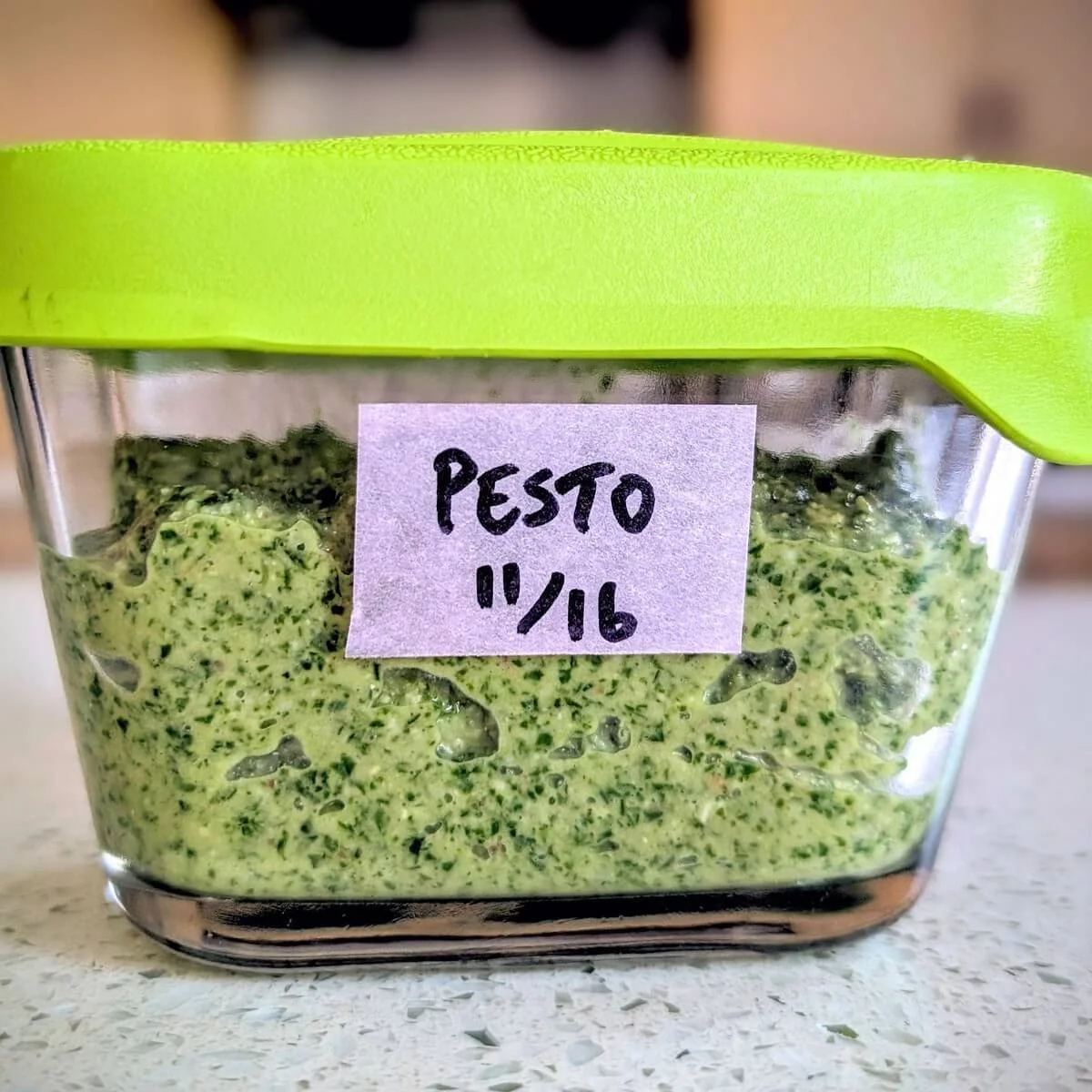
How to Store and Freeze Pesto
Fridge: Store in an airtight container for up to 5 days. Press plastic wrap directly onto the surface to help slow oxidation and keep the color green.
Freezer: Freeze in an ice cube tray until solid, then transfer to a freezer-safe bag, or flatten it in a zip-top bag and freeze for up to 3 months. When frozen flat, you can easily break off small portions as needed without thawing the entire batch.
How to Defrost: For uncooked uses, let it sit at room temperature for 5–10 minutes to soften slightly. If adding to warm dishes, it can go in straight from frozen and melt gently off heat.
Ways to Use Pesto Beyond Pasta
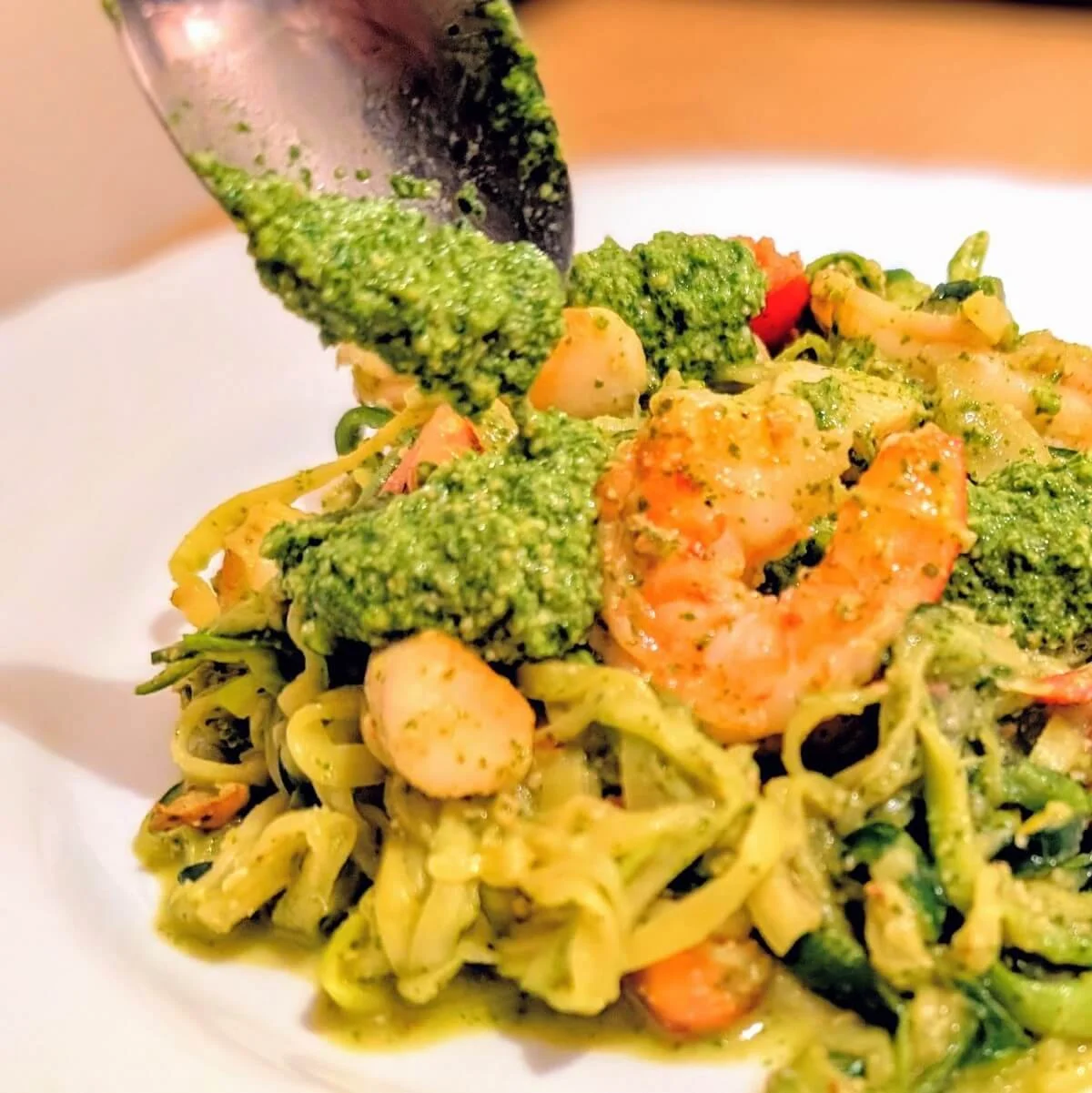
Seafood and grilled proteins: Spoon it over grilled steak, shrimp, salmon, or chicken just before serving, for an instant flavor boost.
Roasted vegetables: Use it as a finishing sauce for roasted Mediterranean-style vegetables, butternut squash, Brussels sprouts, or even crispy potato wedges.
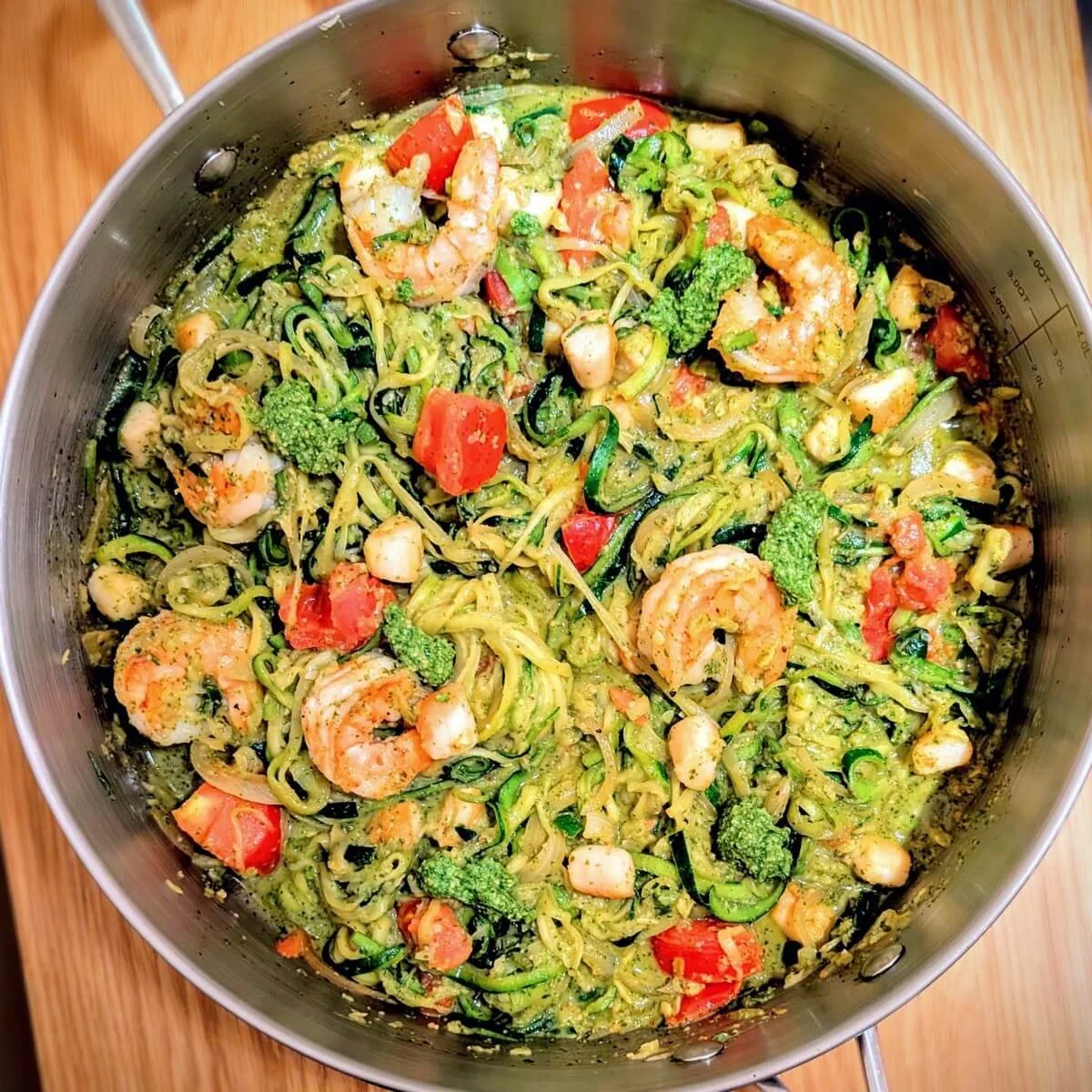
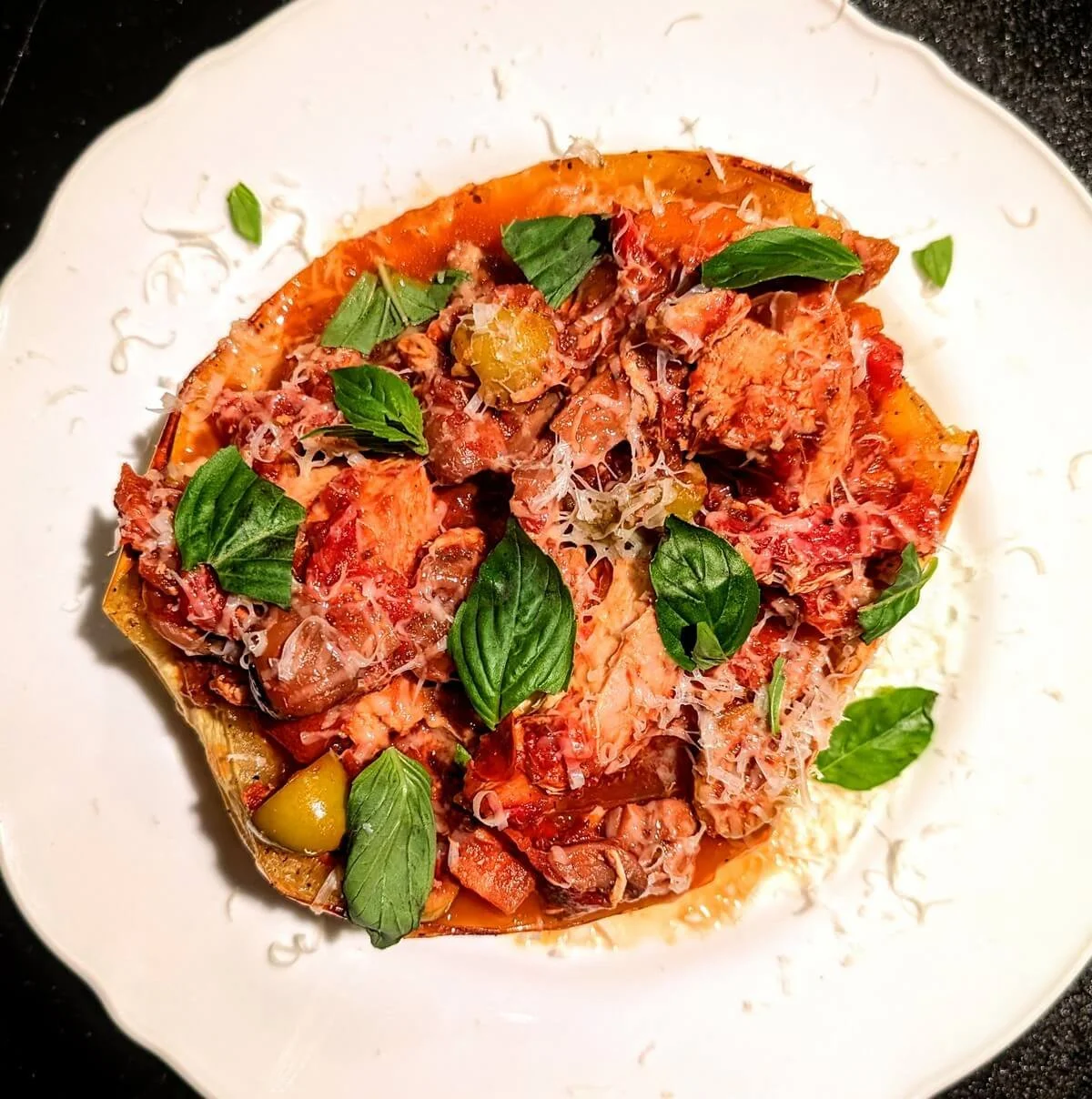
Veggie noodles: Toss pesto with spaghetti squash or zucchini noodles, cherry tomatoes, sautéed shrimp, and scallops, to create a lighter summer-style meal like the one pictured above.
Salad dressing base: Thin it with a splash of water and a little extra lemon juice or vinegar to turn it into a vibrant dressing for simple greens or couscous and grain salads.
Sandwiches and toast: Spread it on toasted bread, layer it into paninis, or use it in place of mayonnaise on sandwiches.
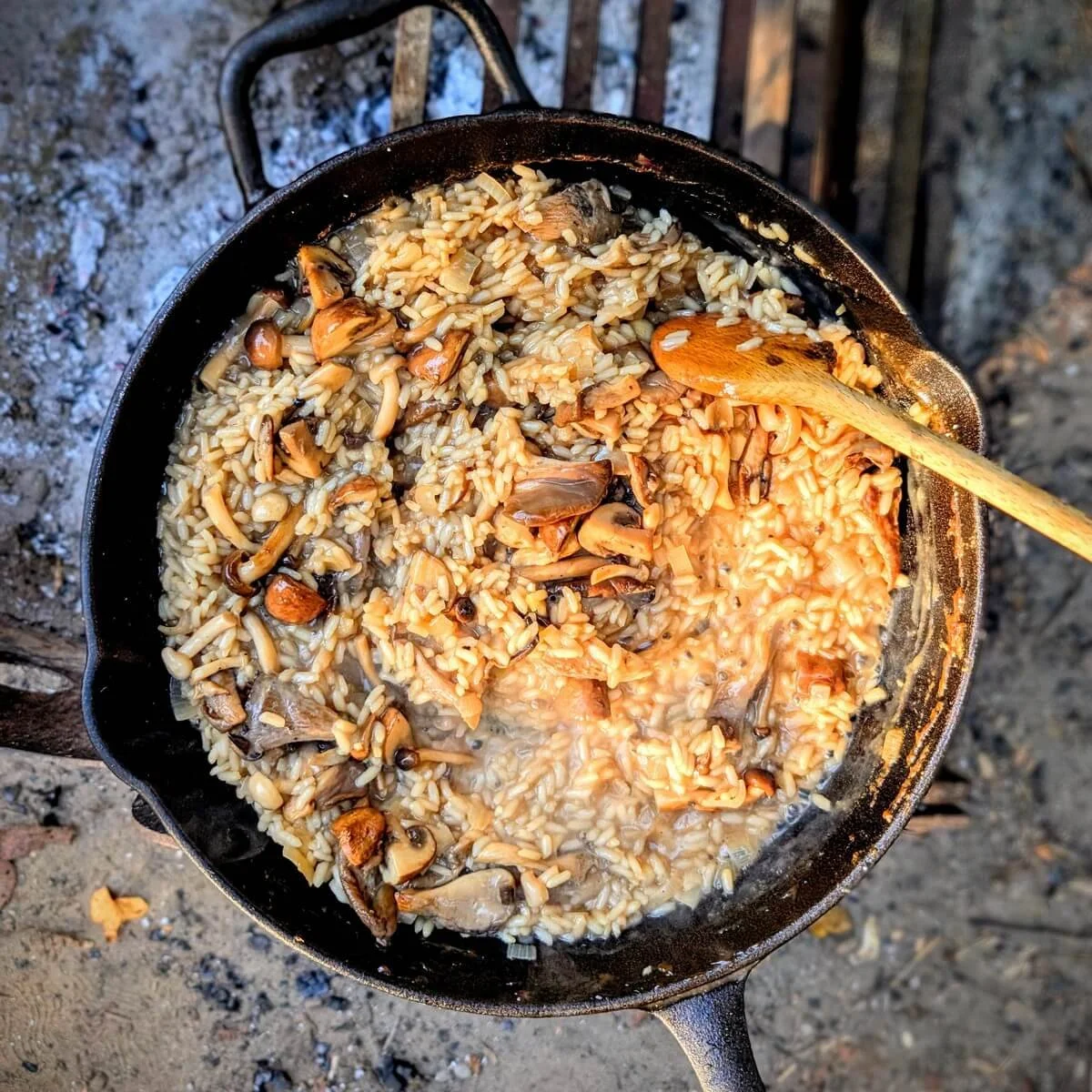
Risotto: Dollop it over the top or stir it into mushroom risotto at the end to add herbal, nutty depth.
Eggs: Swirl it into scrambled eggs, spoon it over omelets, or mix it into egg salad.
Dips and spreads: Use it as a dip for vegetables or crackers, or mix it into hummus or white bean dip for a pesto-forward variation.
Arugula Basil Pesto FAQs
What oil is best for making pesto?
The best oil for making this pesto is a mild extra virgin olive oil. Very peppery or robust oils can amplify the bitterness of the arugula and make the pesto taste harsher than it needs to.
If your oil tastes aggressive on its own, it will taste even stronger once blended. Choose something smooth and balanced so the herbs stay the focus.
Why did my arugula basil pesto turn dark?
Pesto turns dark when it oxidizes or gets too warm during blending. Over-processing can heat the mixture, dull the color, and mute its fresh flavor.
Blend just until smooth, add enough acid, and when using for warm dishes, always stir in your pesto off the heat at the end to help preserve its color.
Can you use a blender instead of a food processor for pesto?
You can use a blender, but you may need to stop and scrape down the sides more often or add a small splash of liquid so the blades can catch the ingredients. Compared to the slightly coarse consistency of a food processor, blenders are designed for more fluid mixtures and will create a looser, more puréed texture.
If you prefer a smoother, finer pesto, a blender works well. Pulse gently and avoid running it continuously for too long so the pesto doesn’t overheat and lose its bright color and fresh flavor.
Should you toast the walnuts for this recipe?
Toasting walnuts will give arugula basil pesto a deeper, more savory flavor. Raw walnuts keep it lighter and slightly sweeter, which allows the herbs to stand out more clearly.
Both work well. It depends on whether you want a brighter, herb-forward pesto or a richer, nuttier one.
Can you make pesto without cheese?
You can make pesto without cheese, but the flavor will be slightly less savory and rounded. The cheese adds salt, umami, and structure that helps the sauce feel complete.
If skipping it, you may need to adjust the salt and acid, or increase the nuts slightly to maintain that depth and balance.
Pin This Arugula Pesto Recipe for Later!
Arugula Basil Pesto Recipe
A bright arugula and basil pesto with walnuts that balances bitterness, holds its color, and freezes beautifully.
Makes: about 1½ cups (serves 4)
Prep: 10 min
Dietary Notes: Gluten-free, Egg-free, Vegetarian, Low-carb
Arugula Basil Pesto Ingredients
1 cup baby arugula, packed
1 cup fresh basil, packed
½ cup walnuts
¼ cup extra virgin olive oil
1 clove garlic, peeled
1 lemon, juiced
1 ounce Grana Padano or Parmesan, cut into small chunks
½ teaspoon salt
Quick Instructions for Making Arugula Pesto
Prep ingredients and load the processor. Measure all ingredients first. Add walnuts, olive oil, garlic, lemon juice, cheese, and salt to the food processor, then pile the basil and arugula on top so the blades can catch properly. If using a small processor, blend the greens in batches until they collapse before adding more.
Blend just until cohesive. Process for 30–60 seconds, stopping to scrape down the sides as needed, until the greens break down and the mixture looks thick, spreadable, and slightly textured. Avoid running it continuously for too long, which can warm the pesto and dull its color and flavor.
Adjust and finish. Taste and add more salt or lemon if needed, then thin with a small splash of water if it feels too thick. Transfer to a bowl or container and use immediately, or refrigerate for 1–2 hours to let the flavors meld before serving.
Top Tips for the Best Arugula Basil Walnut Pesto
Storage: Keep in an airtight container in the fridge for up to 5 days, or freeze in cubes for up to 3 months for easy portioning.
Protect the color: Blend just until smooth and stir pesto into warm dishes off heat at the very end to preserve its green color and fresh flavor.
Control bitterness early: Use baby arugula and a mild olive oil, then adjust salt and lemon if it tastes harsh. If needed, add a very small amount of maple syrup or honey to round it out.
Did you try this arugula and basil pesto recipe?
I’d love to hear how it turned out or how you made it your own. Leave a comment below, or tag me on Instagram @onecreativecook if you share your creation!
More Sauces and Foundations
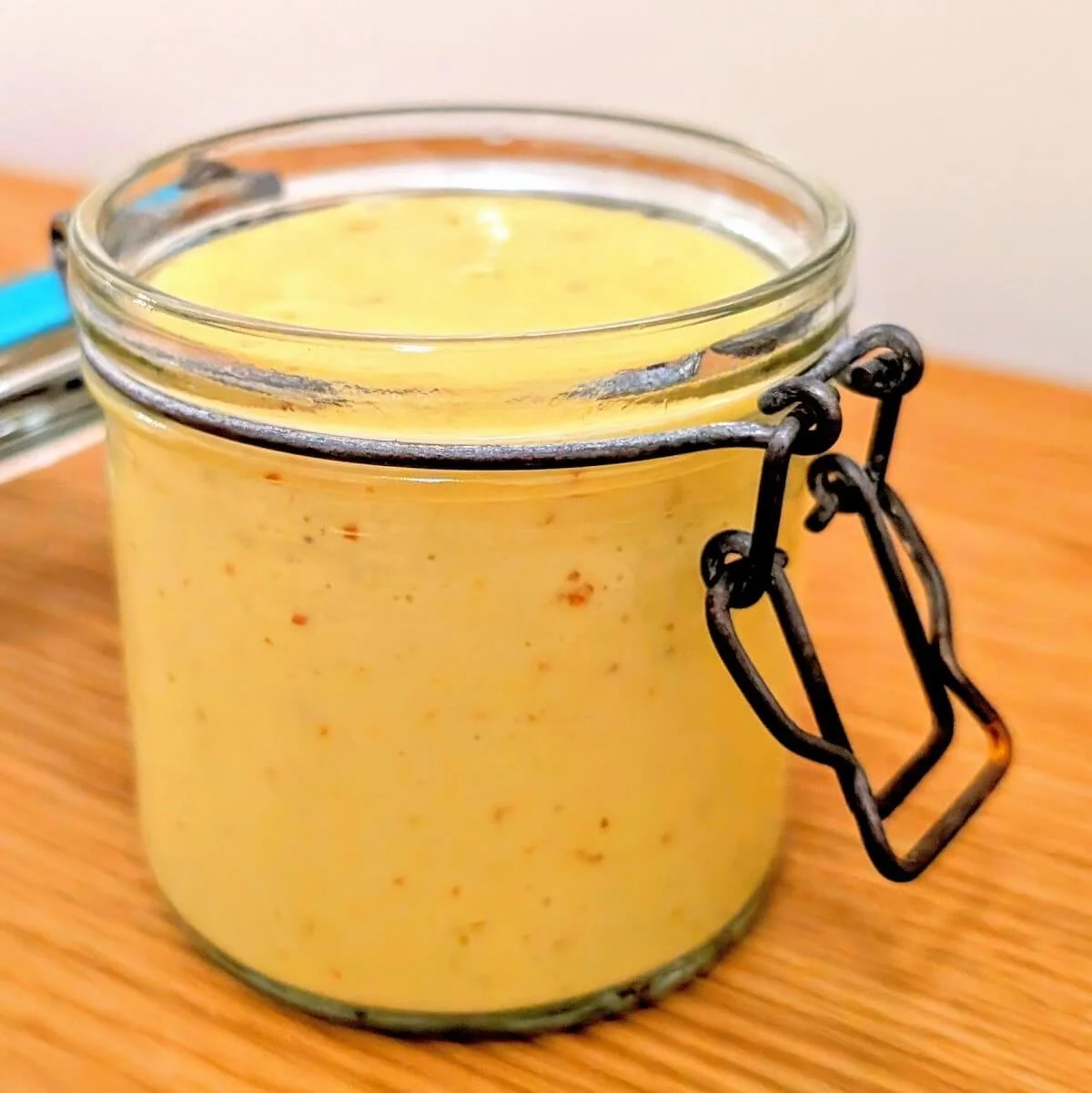
Immersion blender hollandaise: A fast, stable hollandaise that comes together in minutes and proves classic French sauces don’t have to be intimidating.
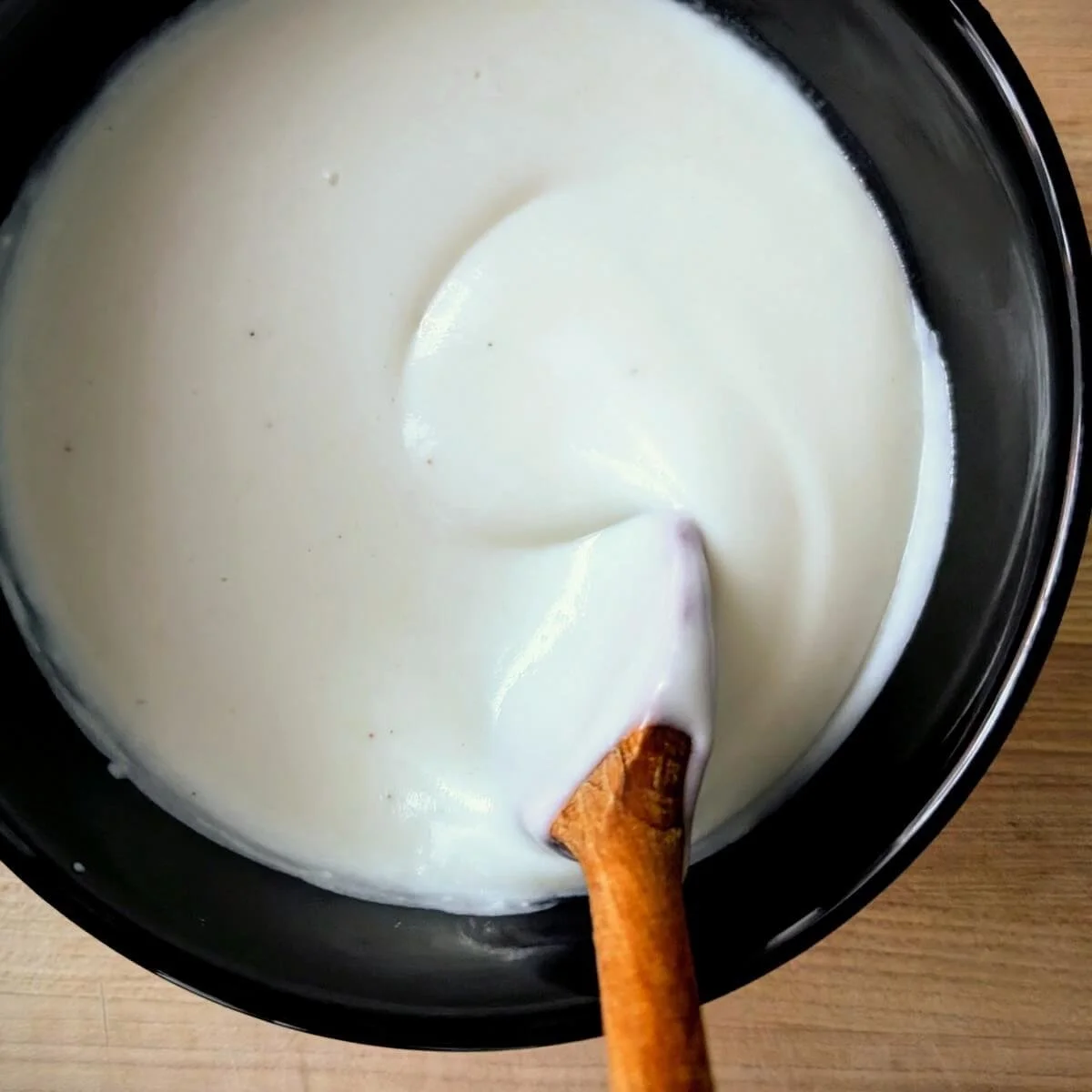
Classic béchamel sauce: Master this foundational white sauce once, and you can build everything from lasagna to creamy gratins with confidence.
Zhoug sauce: A bold, spicy Middle Eastern herb sauce that brings heat and freshness—perfect if you love pesto but want something punchier.
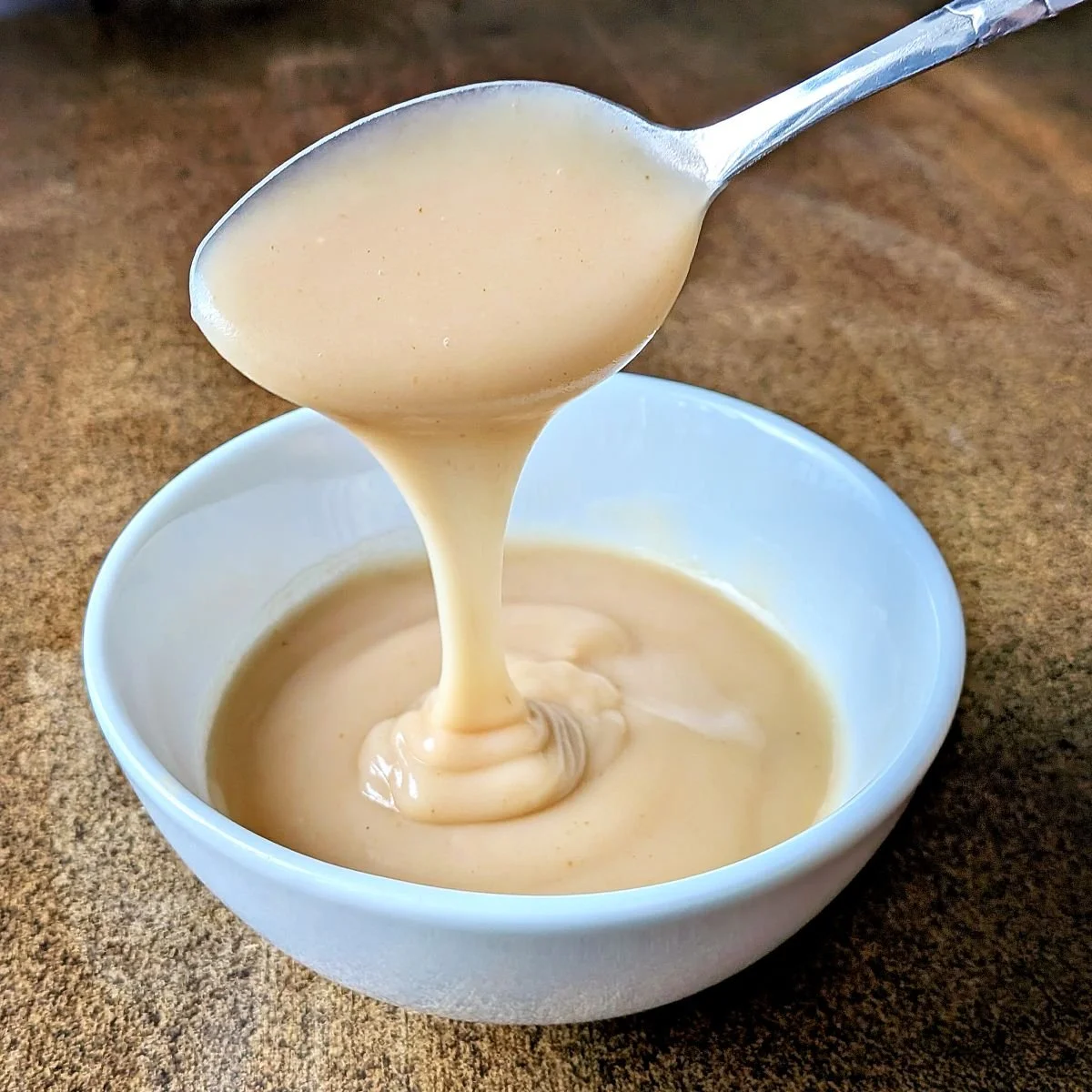
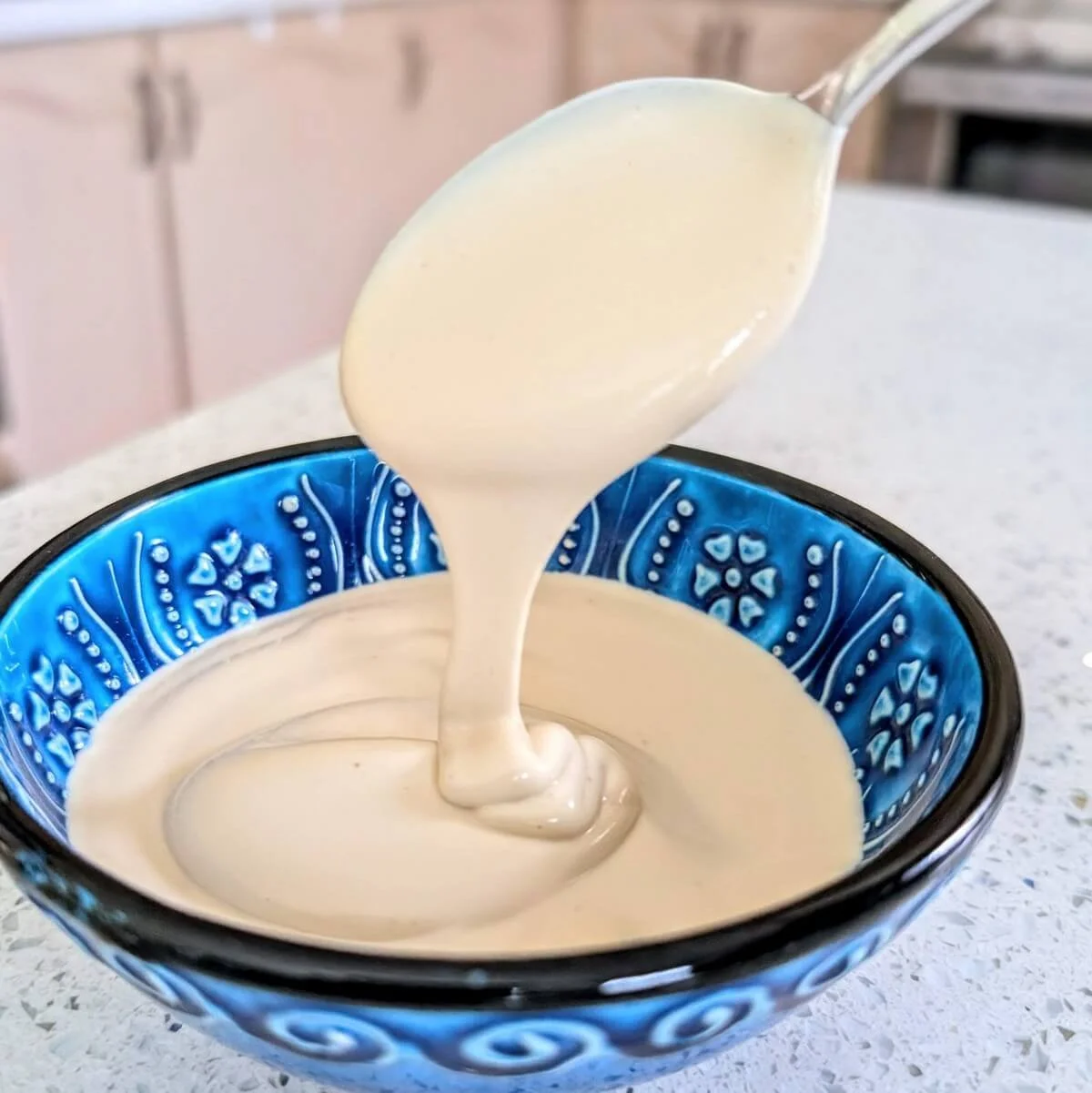
Creamy tahini sauce: A versatile, nutty sauce that works on roasted vegetables, salads, wraps, and grilled meats.
Homemade Caesar dressing: A balanced, emulsified dressing that delivers real depth and structure without relying on bottled shortcuts.
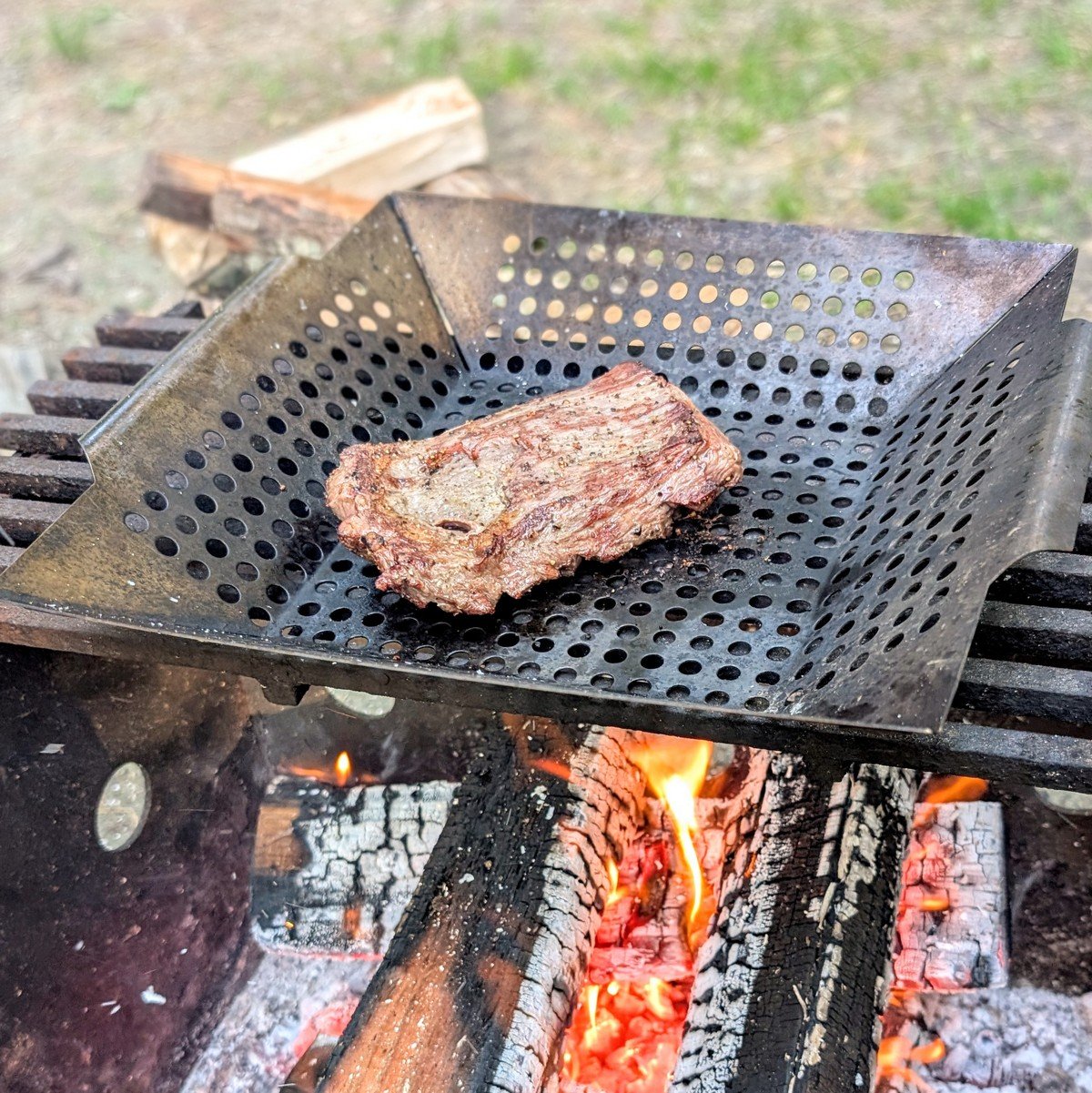
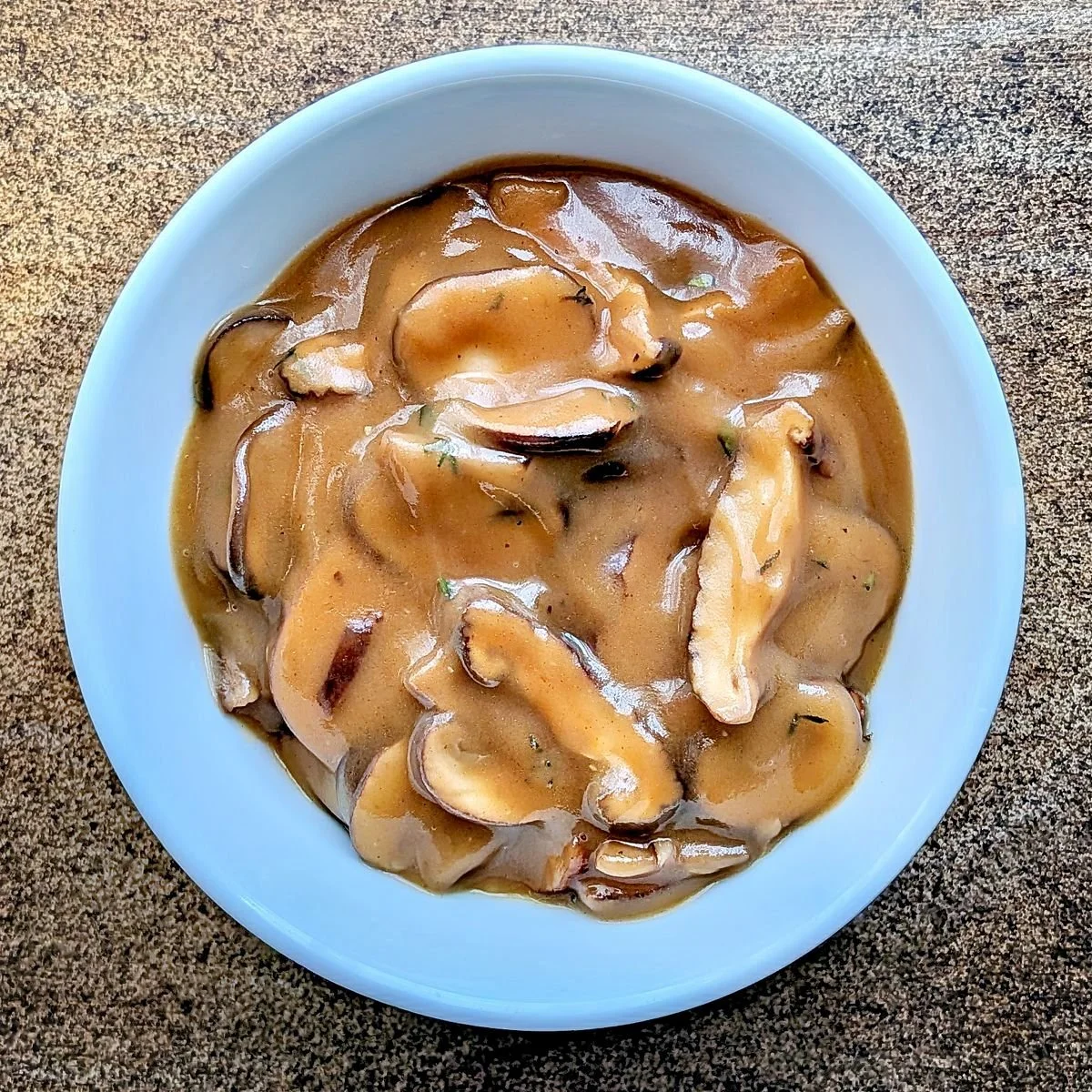







Learn how to make beef Wellington with crisp puff pastry and medium-rare beef, using the same techniques I mastered in professional kitchens.