

The 5 French Mother Sauces Explained
Discover the 5 French mother sauces—béchamel, velouté, espagnole, hollandaise, and tomato. Learn their uses, Escoffier’s influence, and how to make each one at home.
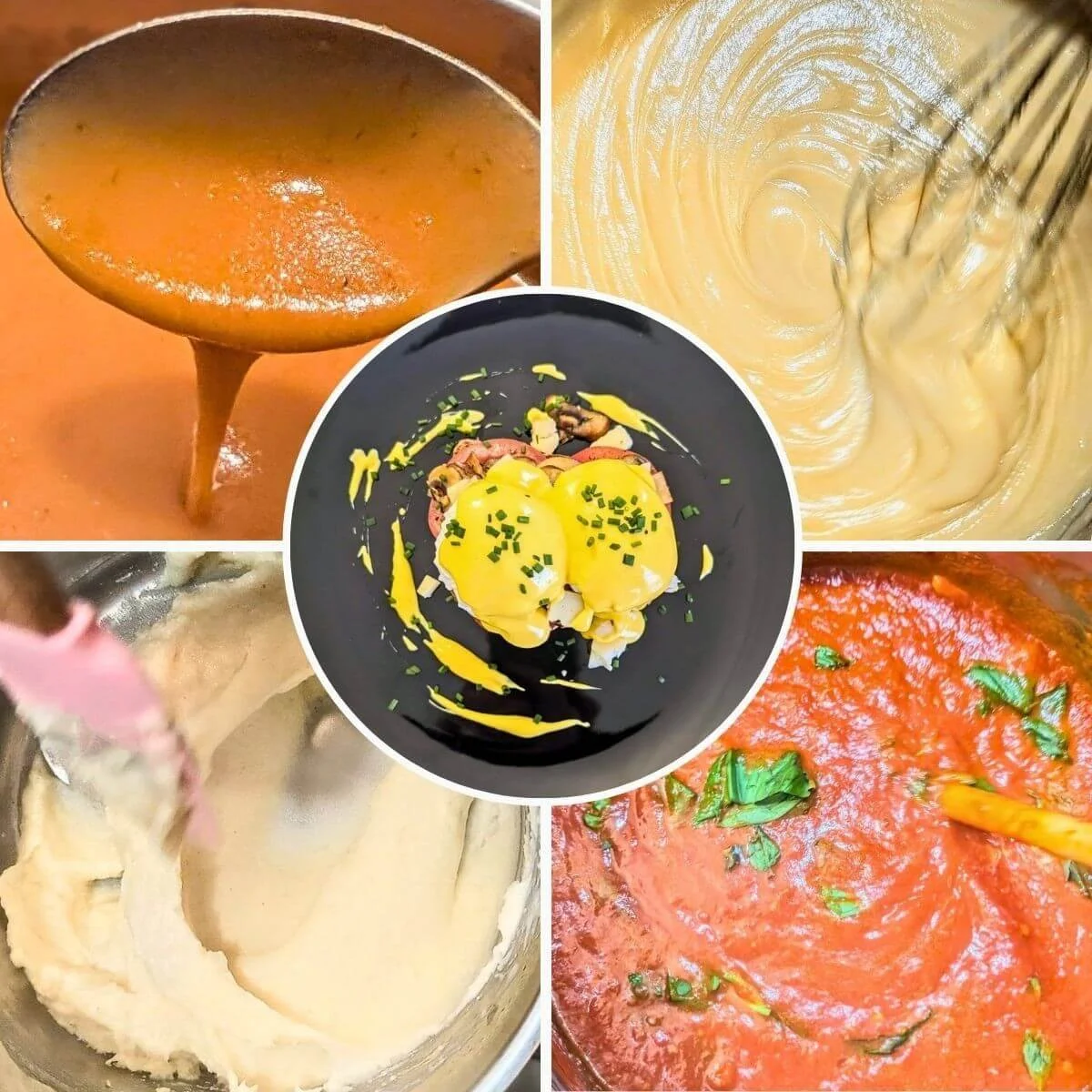
What Are the 5 French Mother Sauces?
Refined by legendary French chef Auguste Escoffier, the five mother sauces—béchamel, velouté, espagnole, hollandaise, and tomato—are the backbone of classic French cuisine and still used in modern kitchens around the world.
You’ve probably made one without realizing it. From the cheese sauce in your mac and cheese to the gravy on your holiday roast—mother sauces are everywhere. As a professionally trained chef, these are the same sauces I learned in chef school and used constantly in restaurant kitchens.
These five foundational French sauces form the base of countless dishes, and mastering them teaches you essential techniques like thickening, emulsifying, and balancing flavor.
What You’ll Find in This French Mother Sauce Guide
Quick breakdowns: What each of the five mother sauces is, how it’s used, and common variations.
Step-by-step recipes: Linked under each sauce so you can start cooking right away.
Pro-level tips: Application ideas, flavor swaps, and technique upgrades for better results at home.
Beginner-friendly explanations: Simple breakdowns of tricky concepts like roux and emulsification.
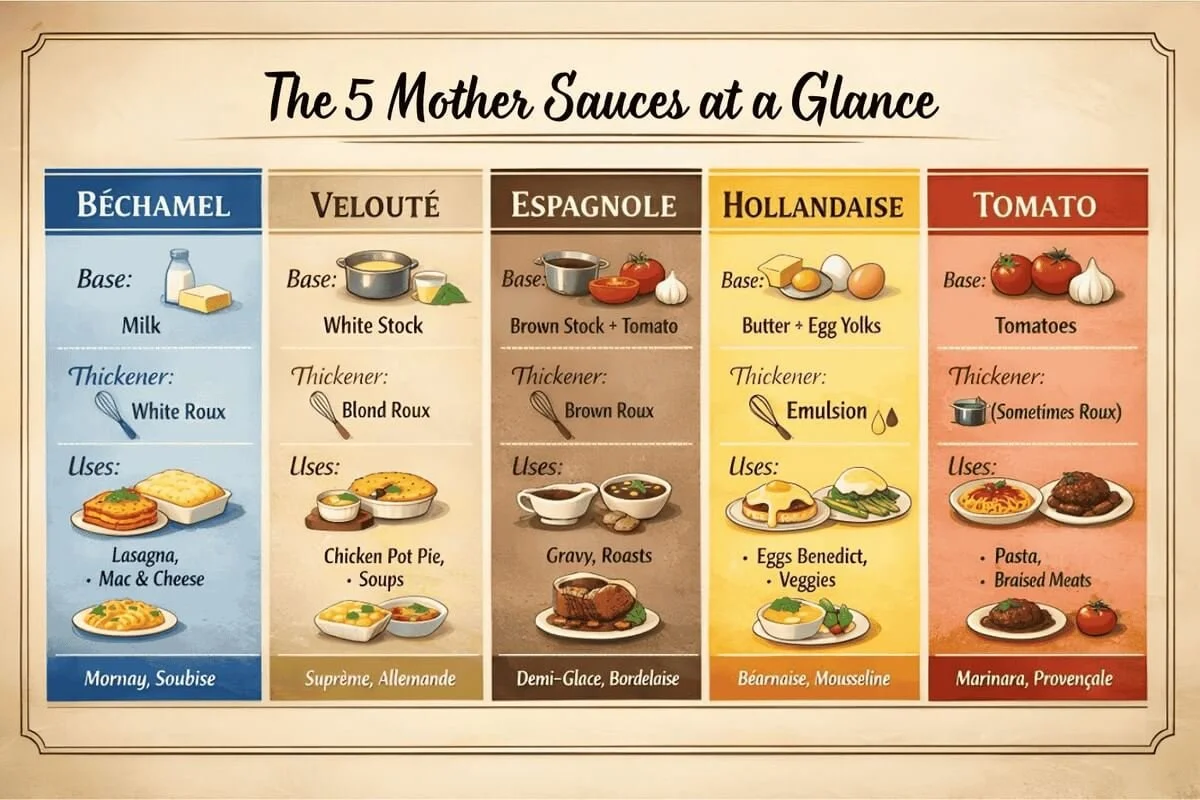
The 5 French Mother Sauces: Recipes, Uses, and Variations
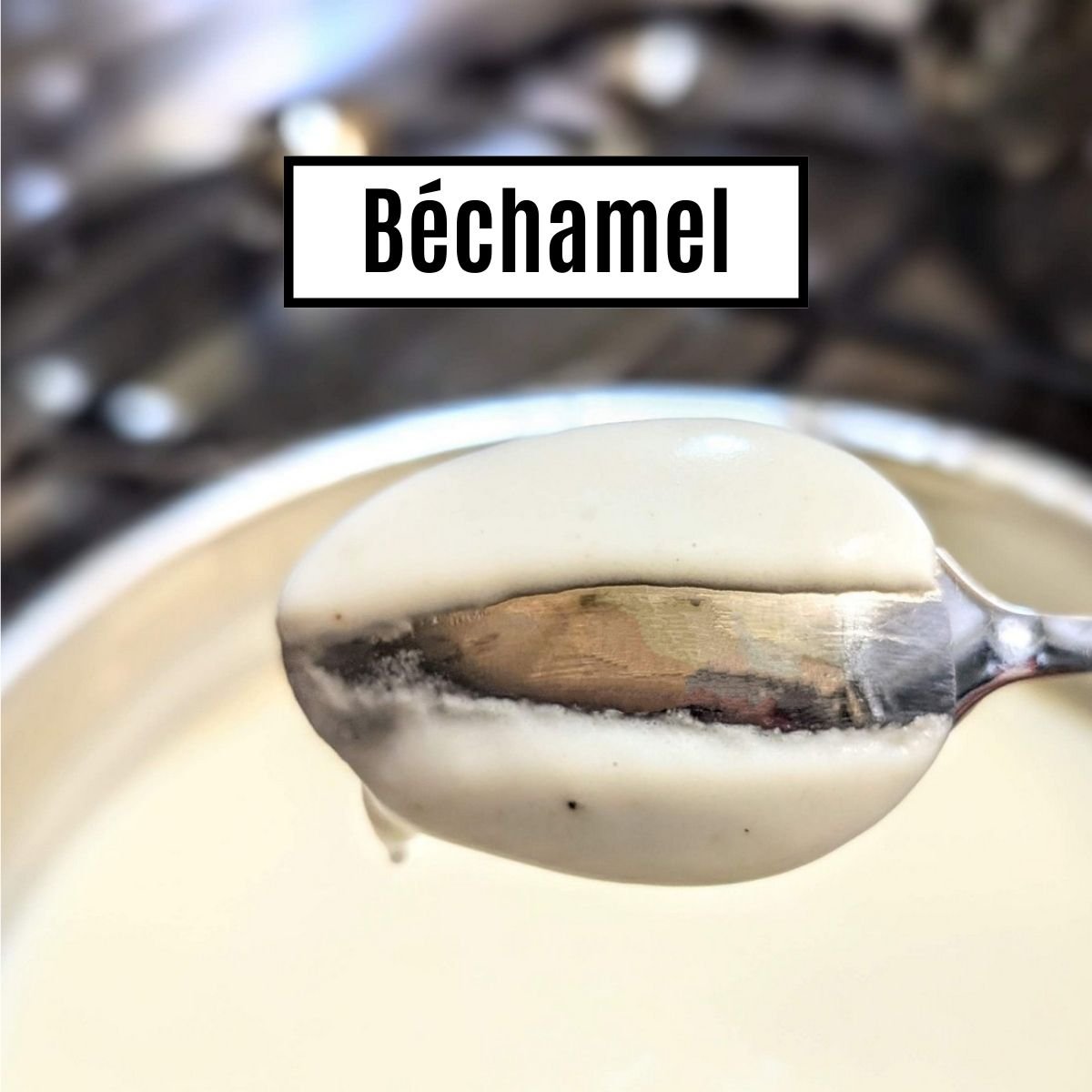
1 – Béchamel Sauce: The Creamy Classic
What is Béchamel Sauce?
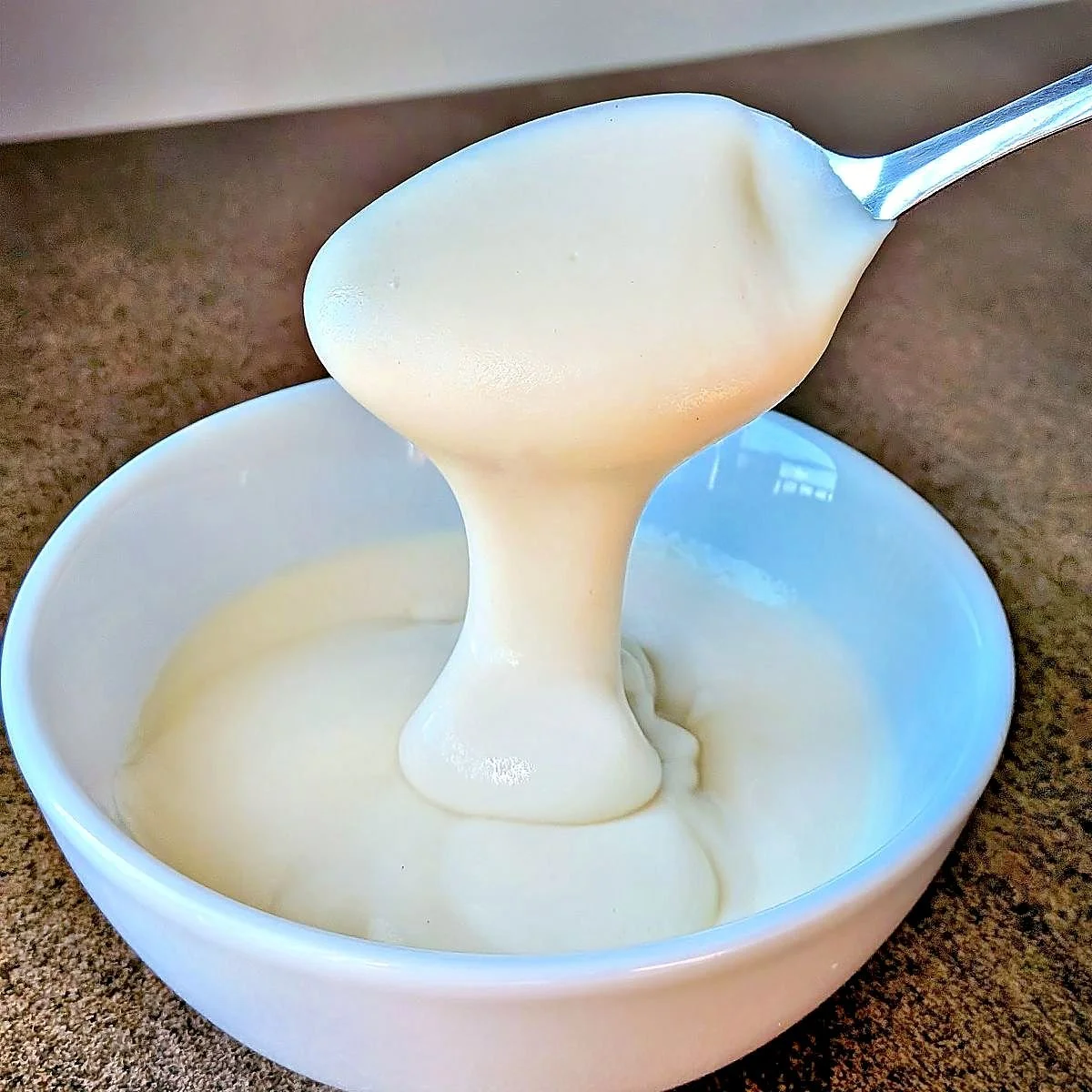
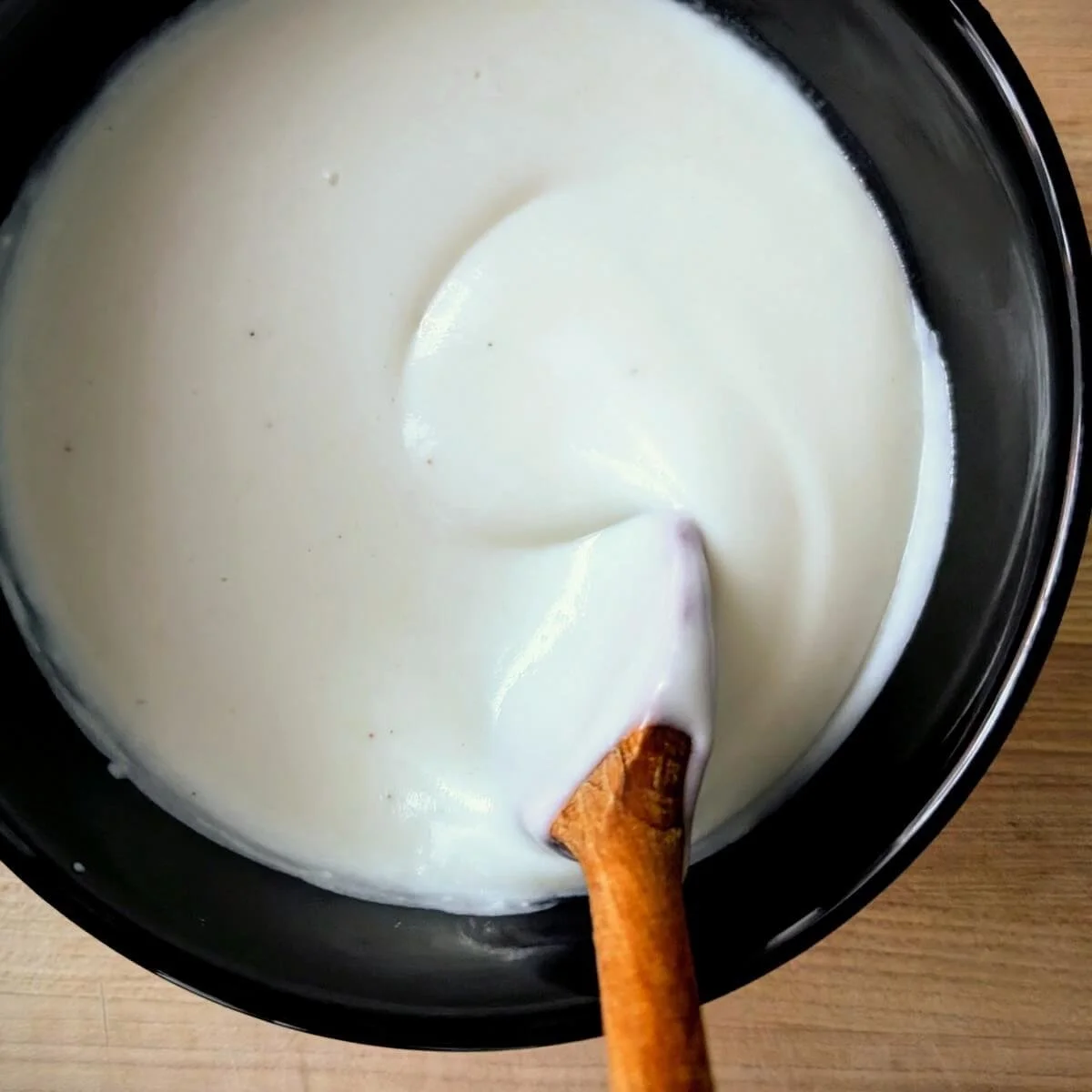
A smooth, creamy white sauce made by whisking milk into a white roux.
Traditional French recipes often infuse the milk with onion cloute—an onion studded with cloves and bay leaf—before straining it out to create a subtle depth of flavor.
Personally, I prefer infusing the milk with garlic, bay leaf, and nutmeg. This combination brings out a more savory complexity that works beautifully in the sauce.
Béchamel Sauce Uses
Lasagna, mac & cheese, croque monsieur, gratins, scalloped potatoes, and creamy soups.
Béchamel Sauce Derivatives
Mornay: A béchamel with melted cheese (Gruyère, Parmesan, or cheddar).
Nantua: Enriched with crayfish butter, commonly served with seafood.
Soubise: A béchamel blended with slow-cooked, puréed onions for a sweet-savory flavor.
Béchamel Sauce Applications & Tips
Use in Lasagna: For an authentic Italian-style lasagna, layer béchamel with Bolognese, mozzarella, and pasta sheets.
Make It Extra Creamy: Swap milk for heavy cream for a richer texture, ideal for baked mac & cheese or casseroles.
Adjust Thickness: Use more roux to make a thicker sauce, ideal for moussaka, or less roux for a lighter consistency, perfect for soups like chowder.
💡Learn how to make my basic bechamel sauce recipe
2 - Velouté Sauce: The Light and Elegant One
What is Velouté Sauce?
A silky, light-colored sauce made by thickening white stock (chicken, fish, or veal) with a blond roux.
The word velouté means velvety, which perfectly describes this sauce. It has a rich yet delicate flavor that adapts easily, making it one of the most versatile mother sauces.
Velouté Sauce Uses
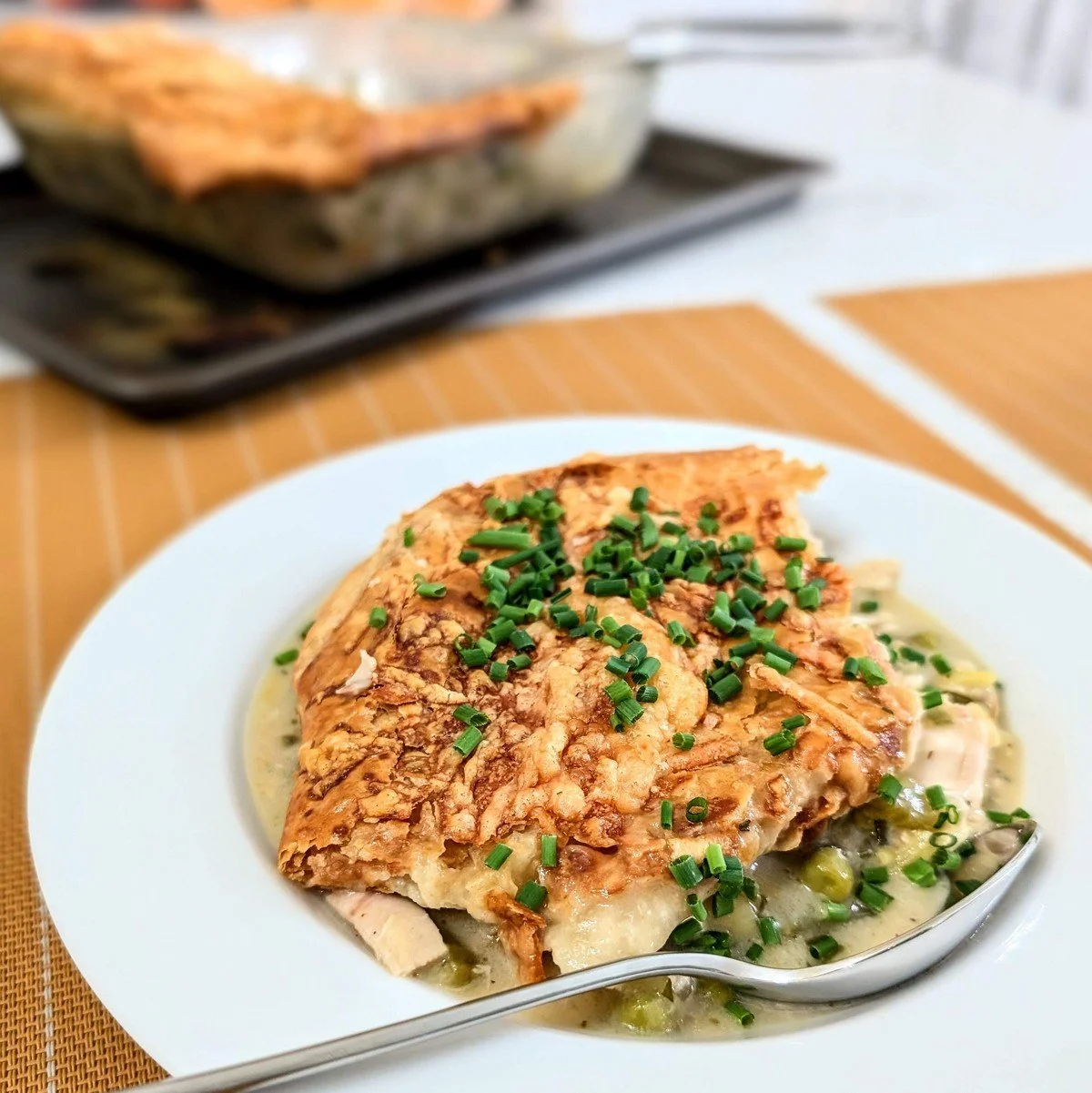
Chicken pot pie, poached fish, roasted chicken, soups, and mushroom sauces.
Velouté Sauce Derivatives
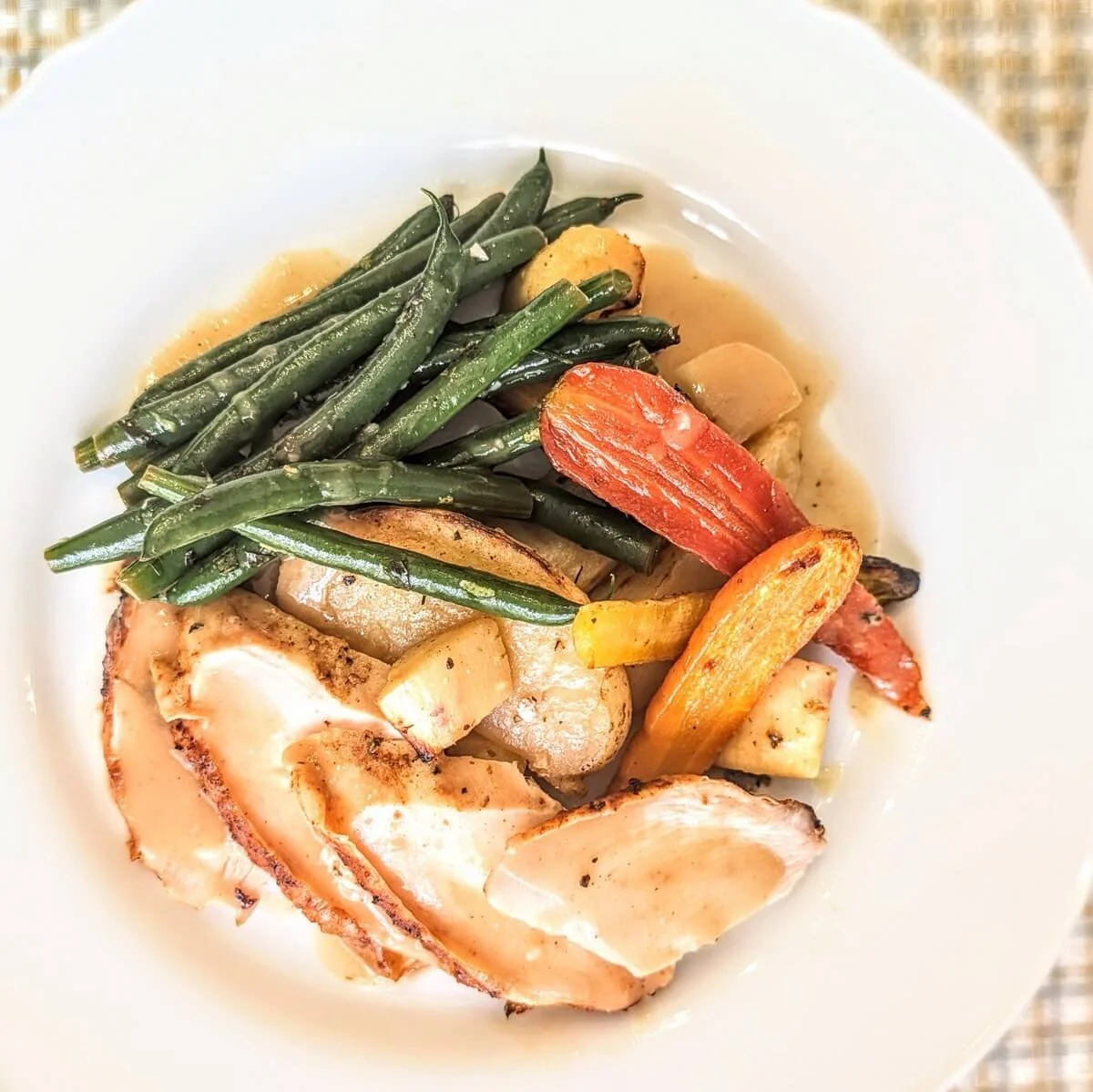
Suprême sauce: A richer variation made by adding heavy cream to chicken velouté, often served with chicken or roast turkey breast.
Allemande sauce: Veal velouté thickened with egg yolks and cream, then finished with a splash of lemon juice.
Bercy sauce: A fish velouté enhanced with white wine, shallots, parsley, and lemon juice, perfect for delicate white fish like cod, sole, or halibut.
Velouté Sauce Applications & Tips
Use in chicken pot pie: Velouté makes the perfect base for this classic dish—just add cooked veggies and shredded rotisserie chicken, then top with puff pastry as in my French-style chicken pot pie recipe.
Achieve the perfect velvety texture: Patience is key—gradually whisk in warm stock one ladle at a time to prevent lumps, and strain through a fine-mesh sieve for extra smoothness.
Build deep flavor: A high-quality homemade stock makes all the difference. Save bones from rotisserie chicken and vegetable scraps in a freezer bag so you always have ingredients on hand for a flavorful stock. See my full article on how to make stock from kitchen scraps to get started.
💡Learn how to make my classic veloute with homemade chicken stock

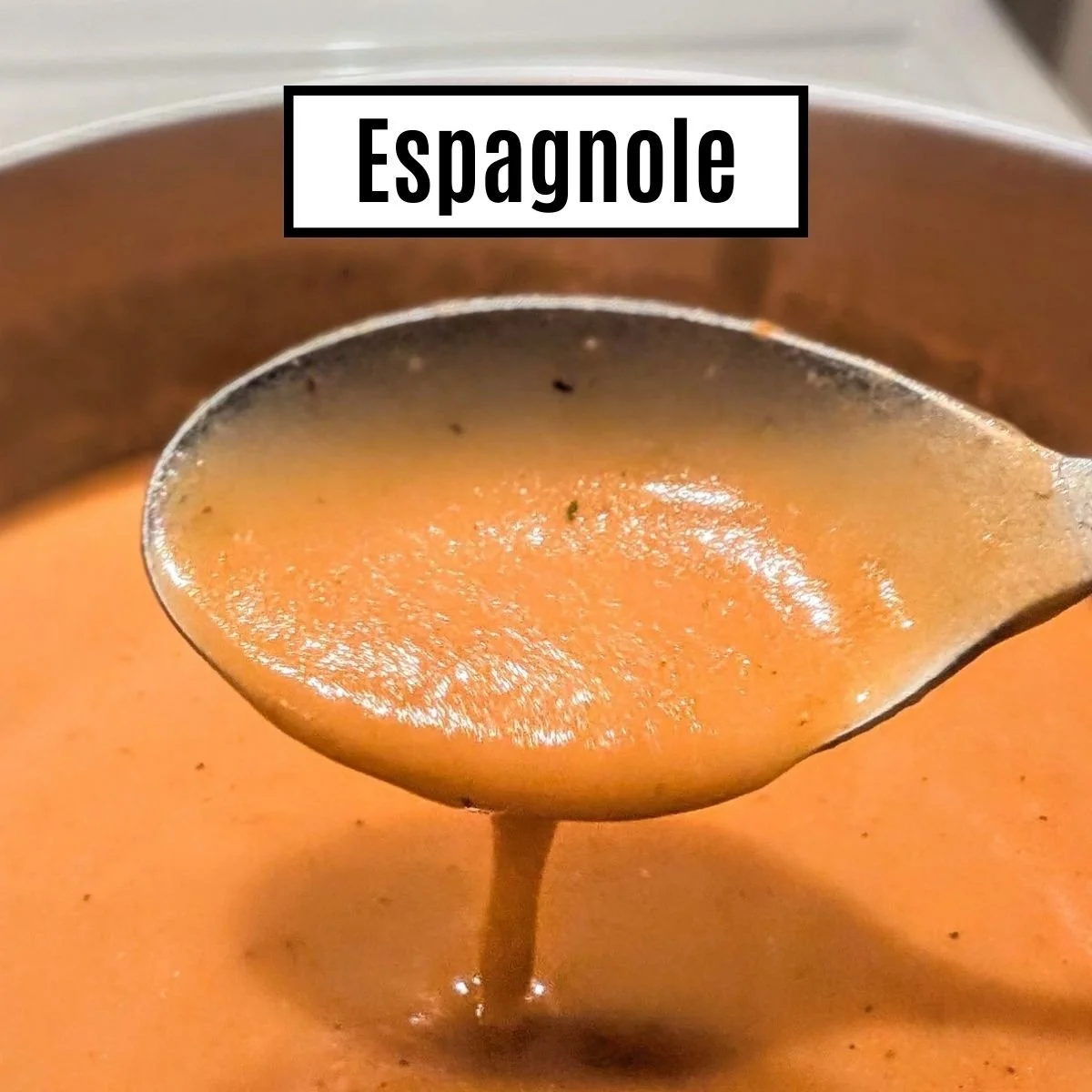
3 - Espagnole Sauce: The Dark and Savory One
What is Espagnole Sauce?
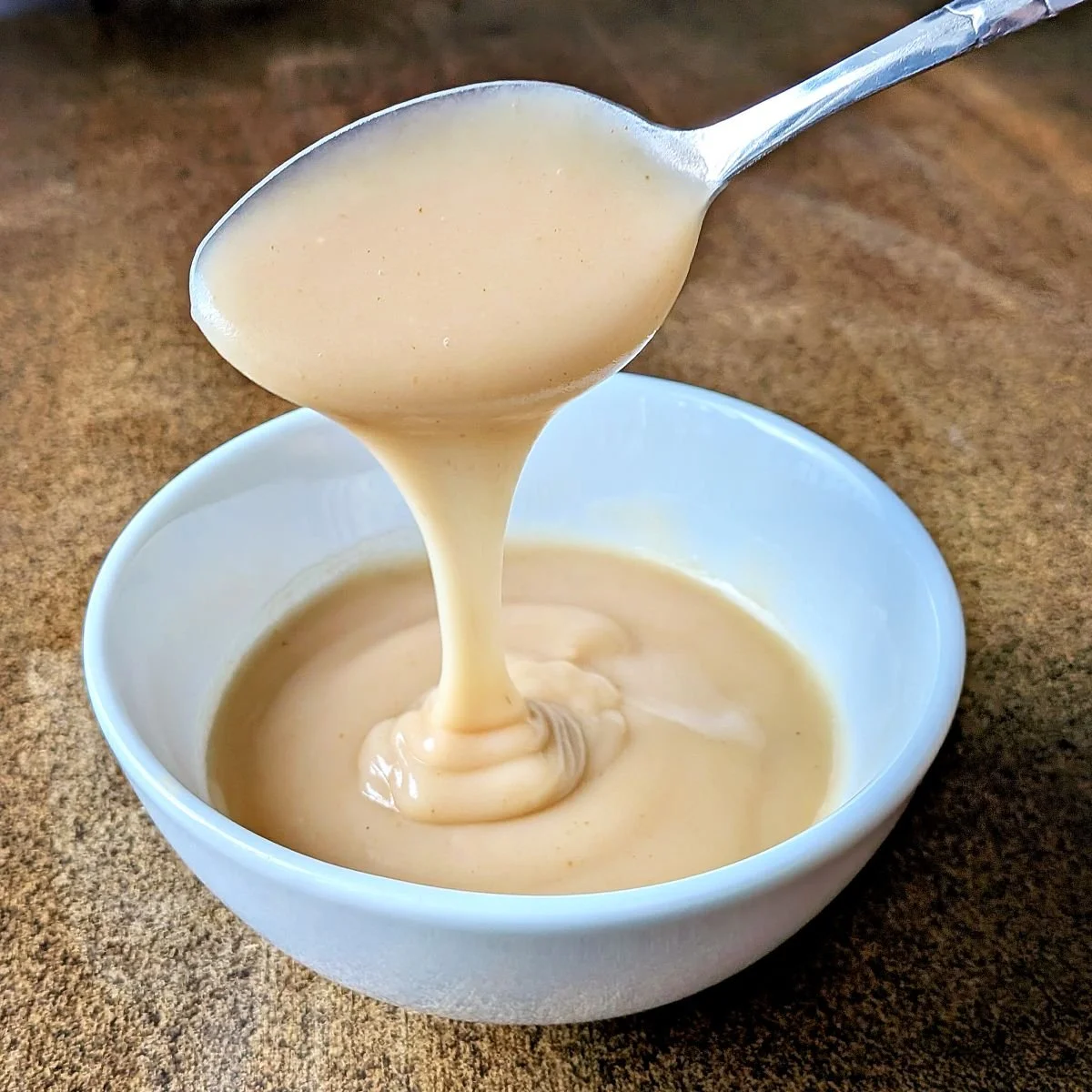
A deep, rich brown sauce made with brown stock, tomatoes, and a brown roux. Its complex, hearty flavor and dark color make it similar to a refined brown gravy.
The key to a great Espagnole sauce is starting with a flavorful brown stock—made by roasting beef or veal bones and simmering them with mirepoix (carrots, celery, onions), aromatics (bay leaf, peppercorns, herb stems), and tomato paste for a few hours to develop depth.
Espagnole Sauce Uses
Braised short ribs, steak, stews, and holiday roasts.
Espagnole Sauce Derivatives
Demi-glace: More commonly used than its mother sauce, this rich, glossy reduction combines Espagnole with equal parts brown stock, simmered until thick and deeply concentrated.
Bordelaise: A luxurious sauce infused with red wine, shallots, and bone marrow, perfect for beef tenderloin.
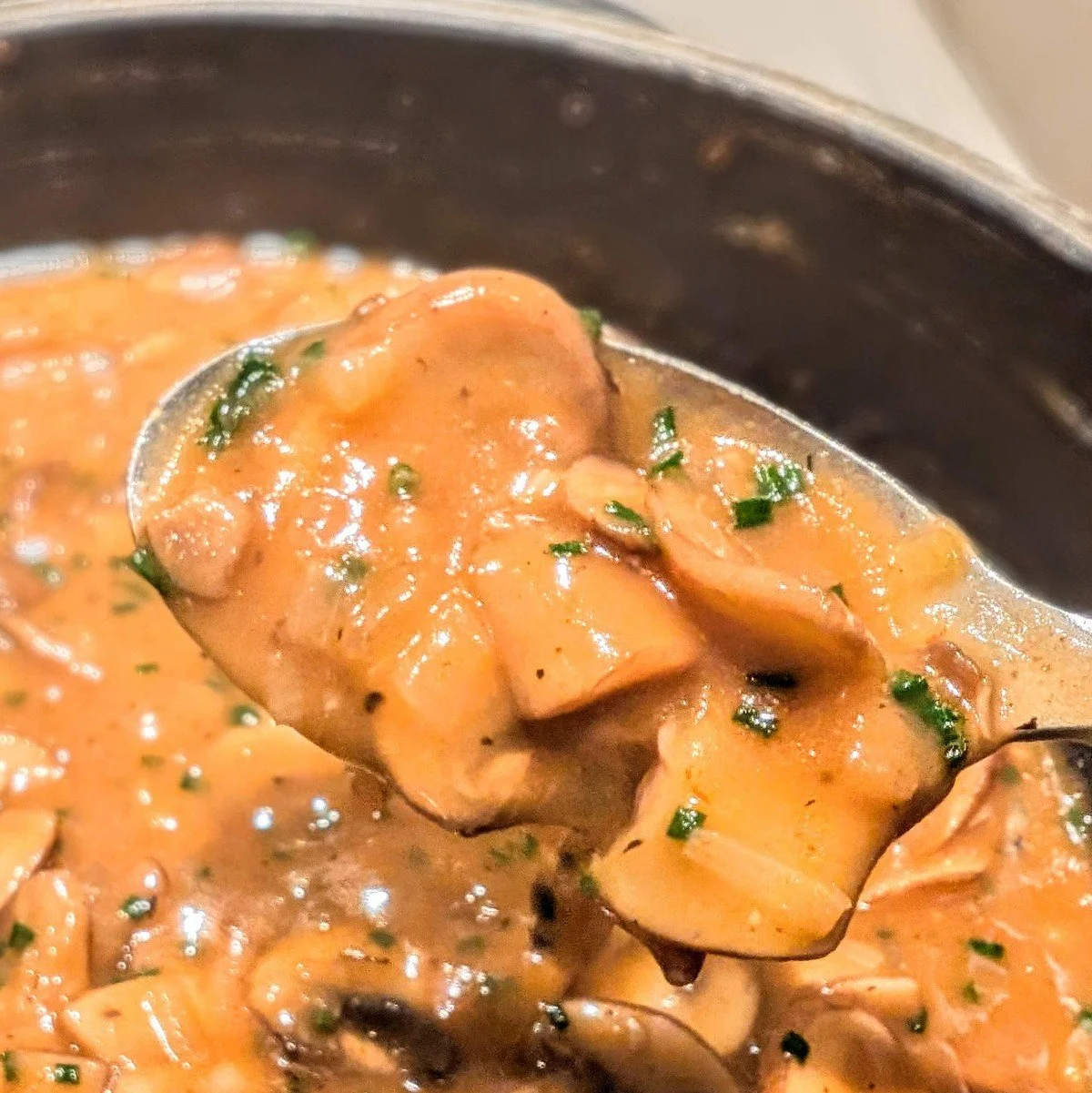
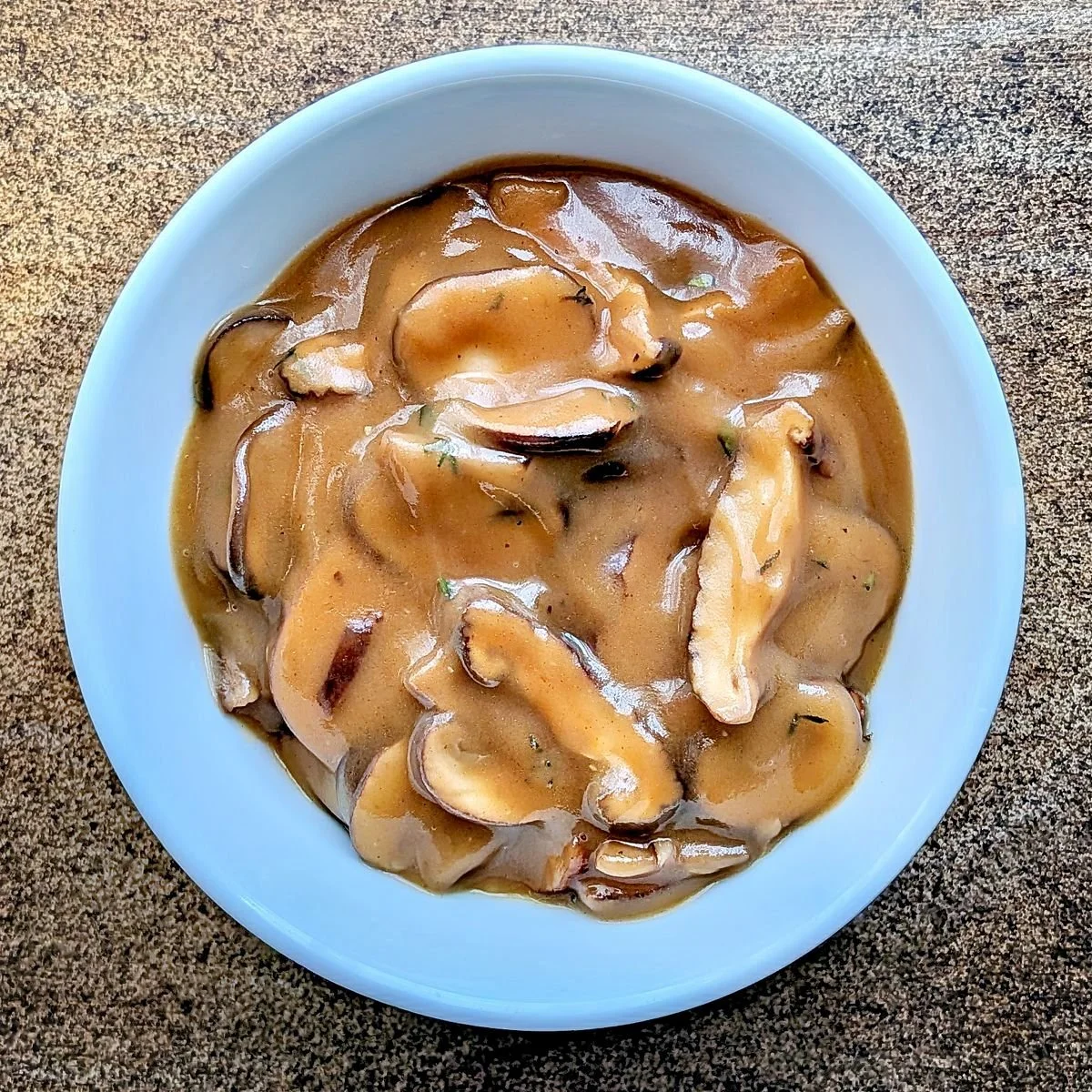
Chasseur: A rustic mushroom and shallot sauce that pairs beautifully with steak or chicken.
Espagnole Sauce Applications & Tips
Use for braising: Stir into the braising liquid for beef brisket or short ribs for incredible depth.
Upgrade your gravy: Use Espagnole as the base for gravy, blending it with pan drippings from holiday roasts like Thanksgiving turkey for an elegant finish.
Store for later: This sauce freezes exceptionally well—pour into ice cube trays or small containers so you can easily grab a portion for your next steak dinner.
💡Learn how to make Espagnole and Chasseur Sauce
4 - Hollandaise Sauce: The Buttery Emulsion
What is Hollandaise Sauce?
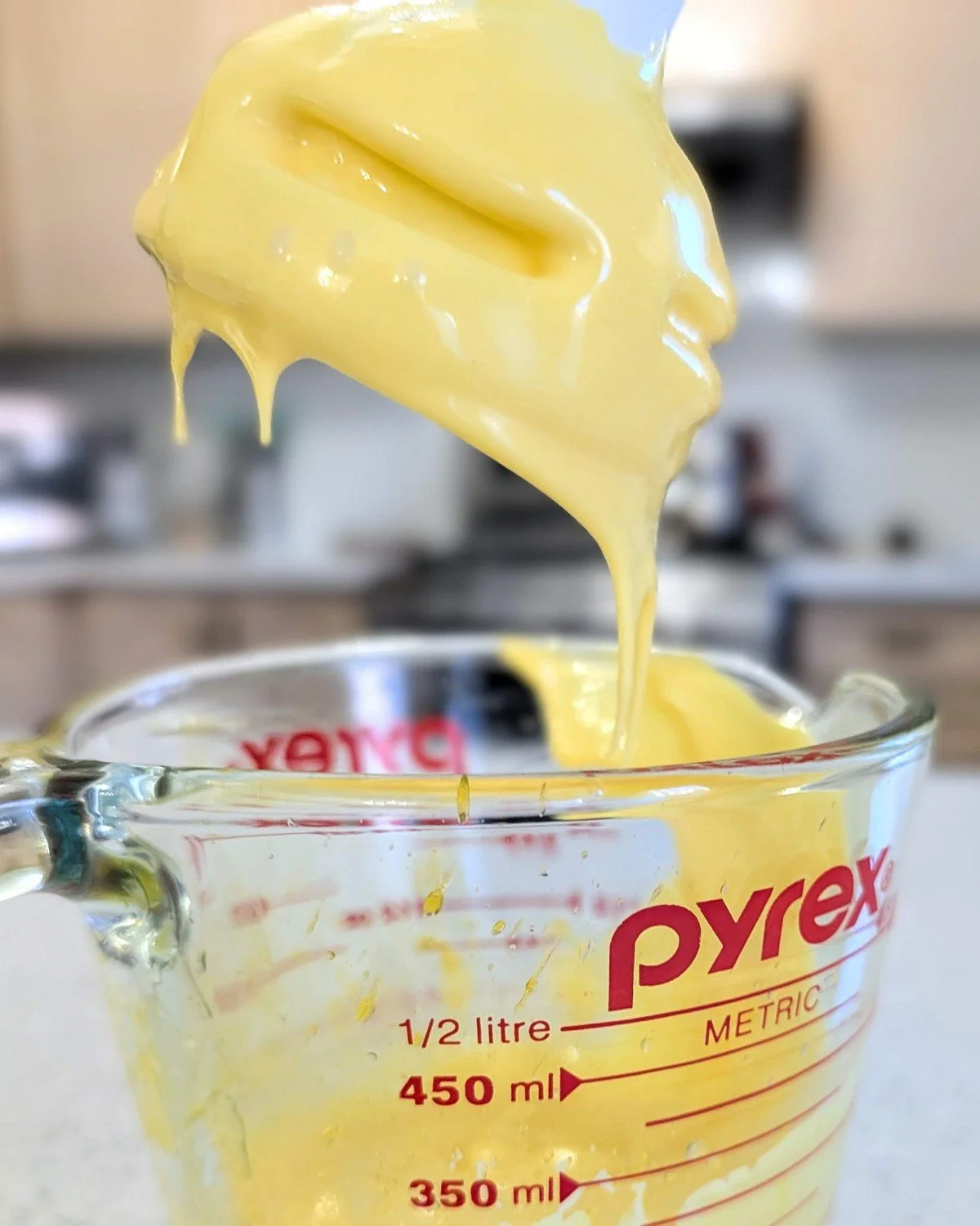
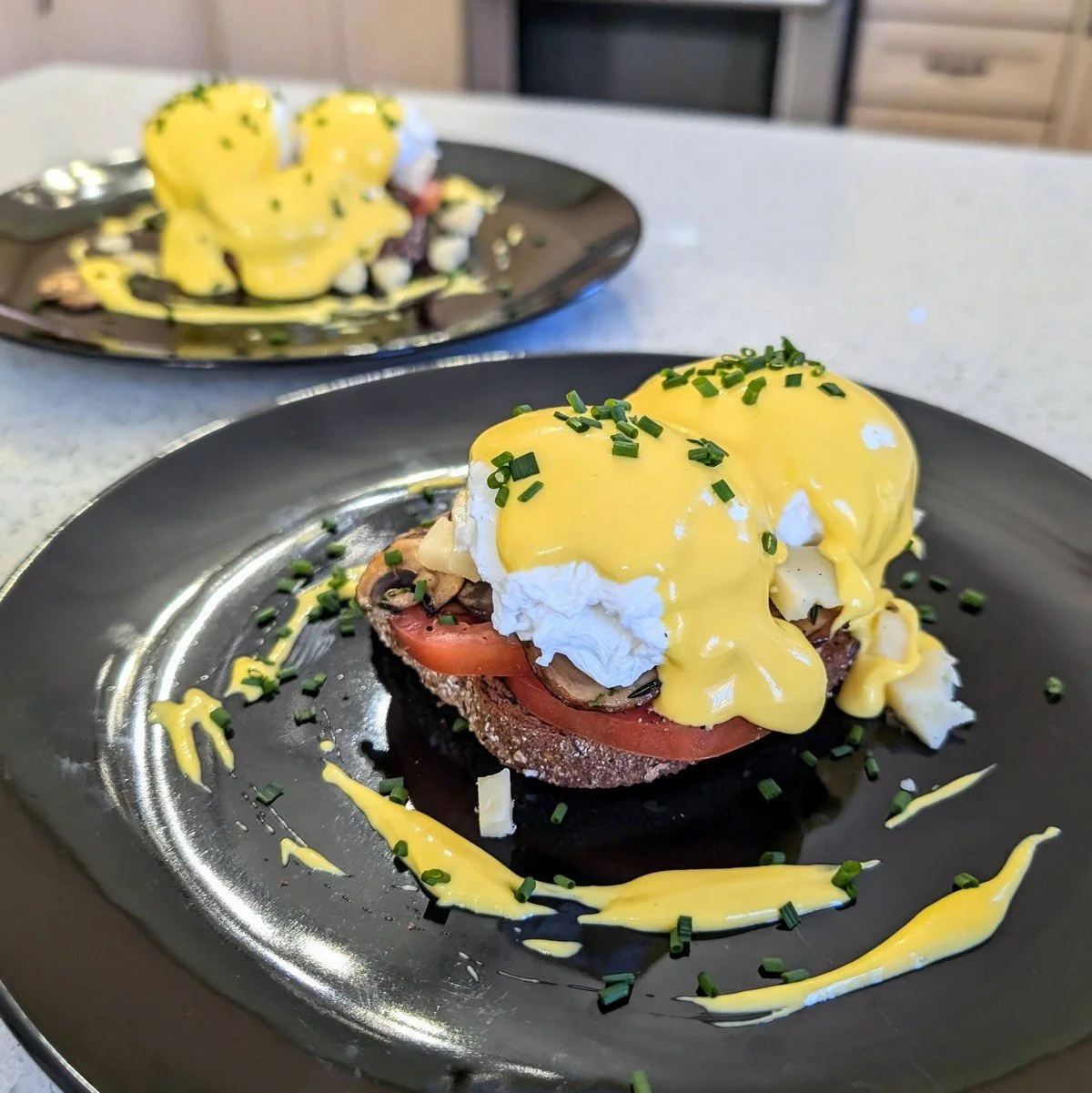
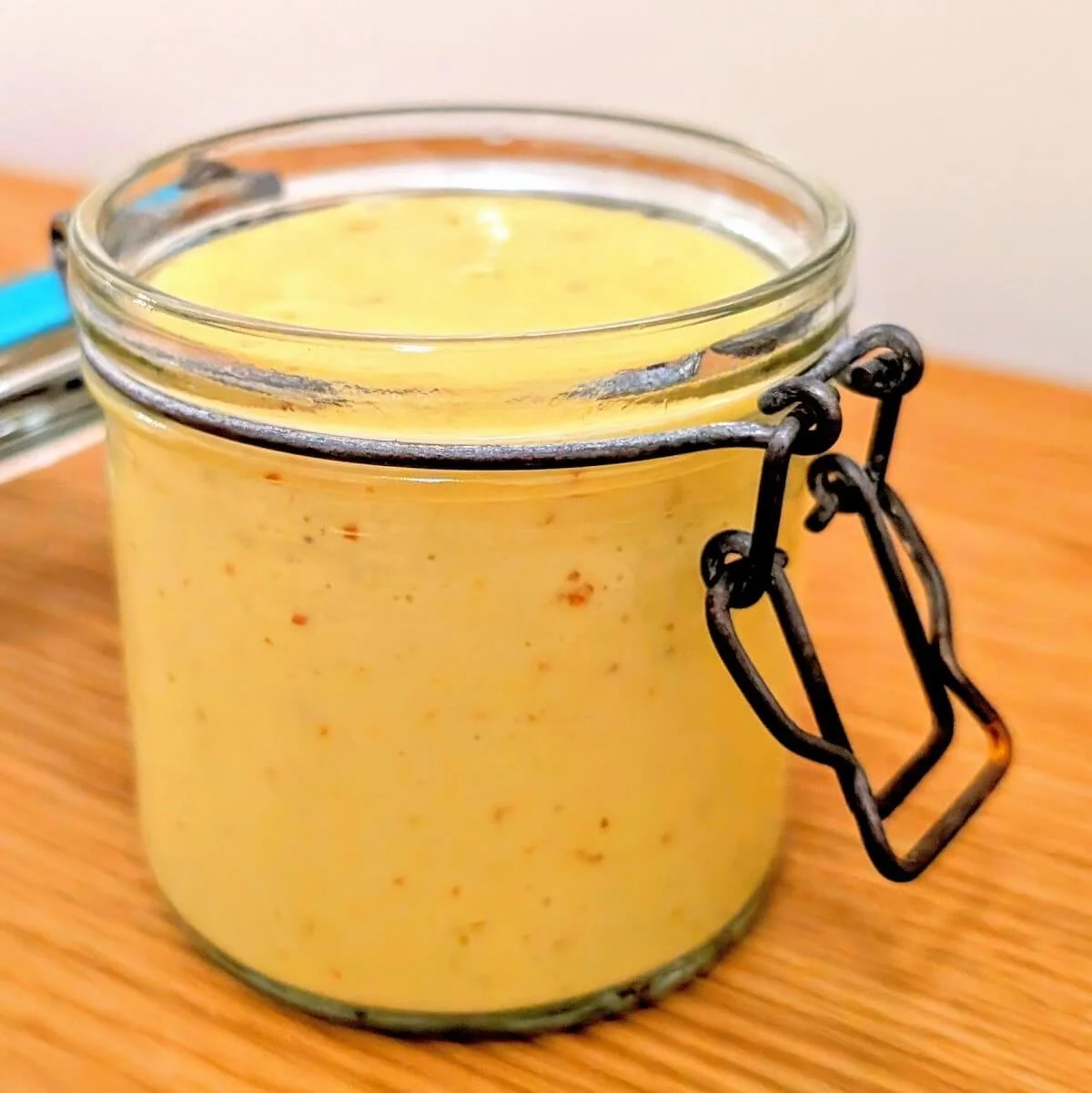
A lusciously rich sauce made by emulsifying egg yolks with warm butter and an acid like lemon juice or vinegar.
Unlike the other mother sauces, Hollandaise relies on emulsification for its thick, creamy texture. Think of it like a warm version of mayonnaise or Caesar dressing—egg yolks act as the emulsifier, holding the butter and acid together.
The classic method can be tricky though, with a high risk of breaking or curdling if the steps aren’t followed precisely. But with my immersion blender trick for hollandaise, you can get a consistently smooth sauce in just 5 minutes!
Hollandaise Sauce Uses
Eggs Benedict, roasted asparagus, and poached salmon.
Hollandaise Sauce Derivatives
Béarnaise: Infused with tarragon and shallot wine reduction, perfect for steak.
Mousseline: Lightened with whipped cream for a fluffier texture, great on delicate fish dishes or vegetables like green beans.
Maltaise: Made with blood orange juice for a citrusy twist, pairing nicely with duck breast.
Hollandaise Sauce Applications & Tips
Perfect for brunch: A must-have for eggs Benedict, breakfast hashes, steak & eggs, and soft-boiled eggs.
Elevate vegetables or seafood: Drizzle over asparagus, Brussels sprouts, salmon, or scallops.
Use leftovers as a sandwich spread: Cold Hollandaise works surprisingly well as a creamy spread on an English muffin or sandwich. Refrigerate leftovers and give it a try!
💡Learn how to make my easy immersion blender hollandaise sauce

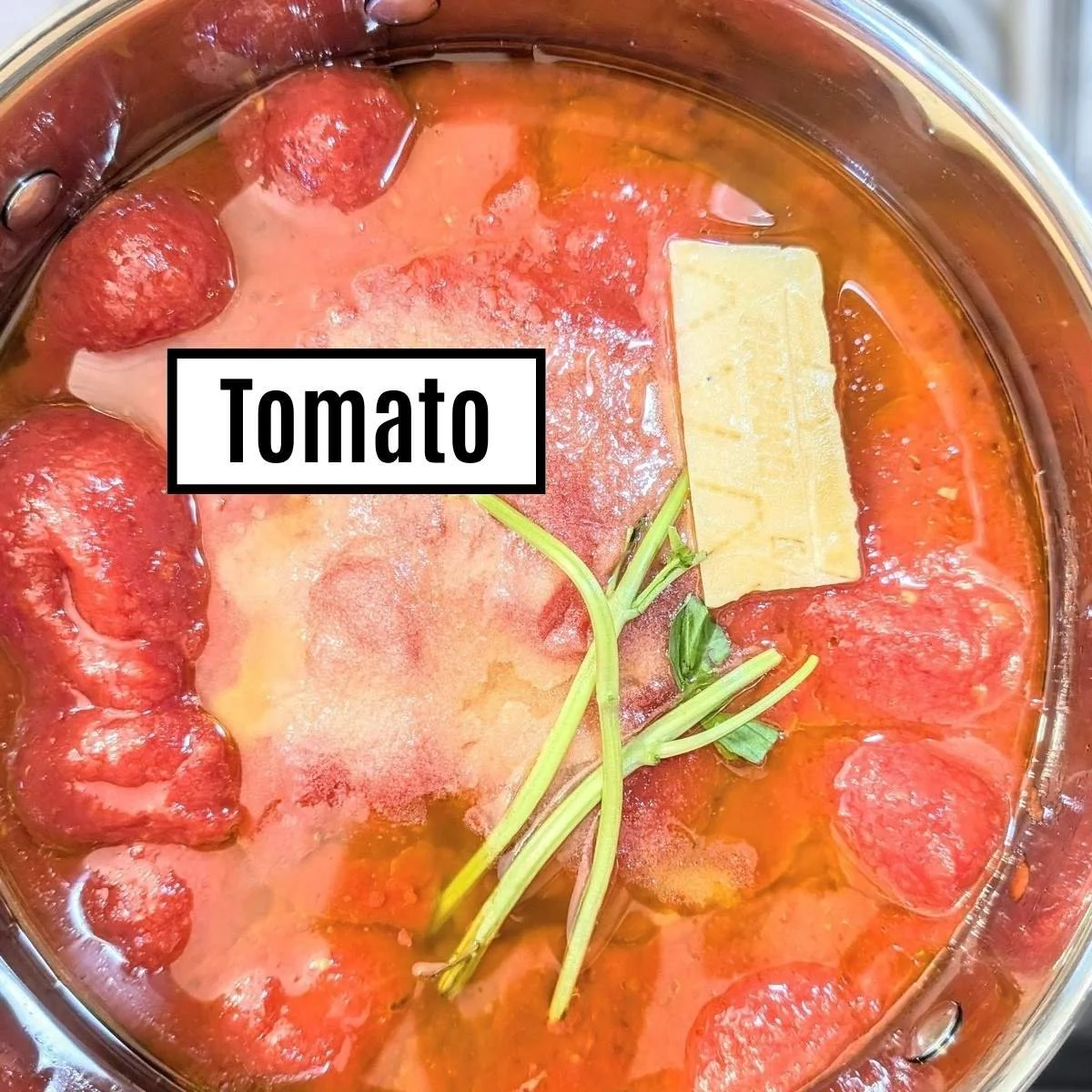
5 - Tomato Sauce: The Universal Favorite
What is French Tomato Sauce?
The French mother sauce version of tomato sauce traditionally includes salted pork, and mirepoix (carrots, onions, and celery), and is sometimes thickened with a roux.
That said, many chefs—including my culinary school instructors—prefer the Italian-style version because it’s more practical and widely used in modern kitchens.
With good-quality canned tomatoes, olive oil, garlic, fresh basil, and a few hours of slow simmering, you’ll have a deeply flavorful sauce that works in countless dishes.
Tomato Sauce Uses
Pasta, braised meats, as a dipping sauce, or as the base for tomato soup.
Tomato Sauce Derivatives
Marinara: A quick, lighter tomato sauce with garlic, onions, and herbs—perfect for easy pasta dishes.
Creole Sauce: A Southern-style version with onion, bell peppers, celery, Creole seasoning, and a bit of heat, great with seafood.
Provençal Sauce: Features basil, fennel seeds, rosemary, and thyme—pairs nicely with mussels or eggs.
Tomato Sauce Applications & Tips
Use it for pasta: The classic choice for spaghetti, lasagna, or baked ziti.
Braise meats in it: The perfect base for dishes like veal osso buco or turkey cacciatore.
Cook it low and slow: Let it simmer all day to develop deep, caramelized flavors and a thick texture.
💡Learn how to make my authentic San Marzano tomato sauce
The History of the Five French Mother Sauces
Carême created the original French mother sauce system. In the early 1800s, Marie-Antoine Carême identified four foundational sauces—Béchamel, Velouté, Espagnole, and Allemande. His goal was to simplify French cuisine and give young chefs a solid technical foundation.
Escoffier refined the list nearly a century later into the five mother sauces we know today. Auguste Escoffier removed Allemande, added Hollandaise and Tomato Sauce, and modernized the system for professional kitchens. His version became the gold standard of classical French cooking.
Culinary schools around the world still teach Escoffier’s version—and that’s where I first learned them. At George Brown College in Toronto, we studied the history and theory in class, then made each sauce from scratch in kitchen lab sessions where we were graded on our technique. Roux-based sauces were straightforward, but hollandaise took a few broken batches (and a few brunch services) before I really got it down.
The mother sauces still shape cooking around the world. Chefs continue to adapt them with new ingredients and techniques. I personally love making hollandaise with an immersion blender these days and usually go with the Italian version of tomato sauce—but the core methods I learned still form the foundation of much of my cooking today.
The Importance of Roux in French Mother Sauces
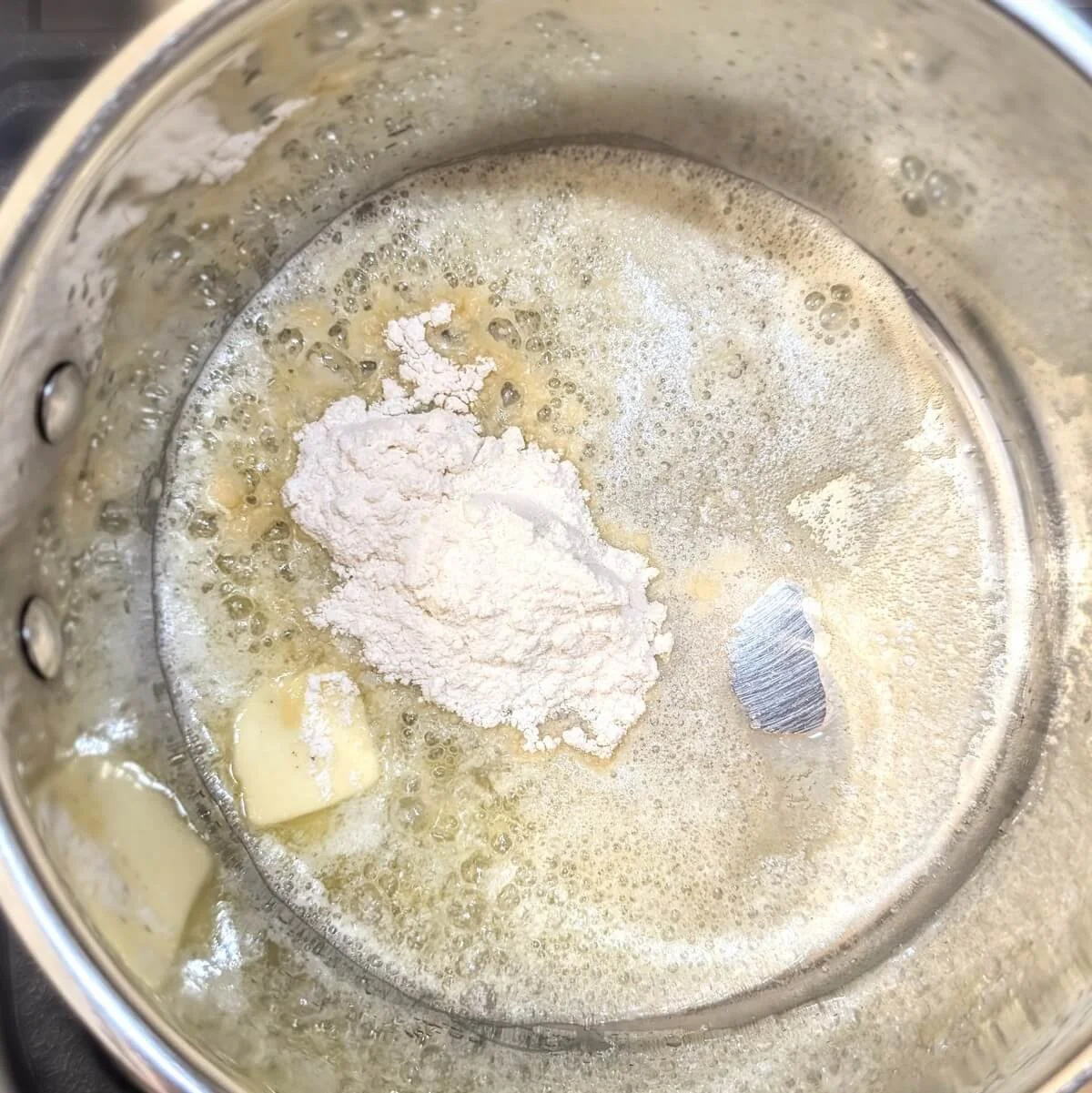
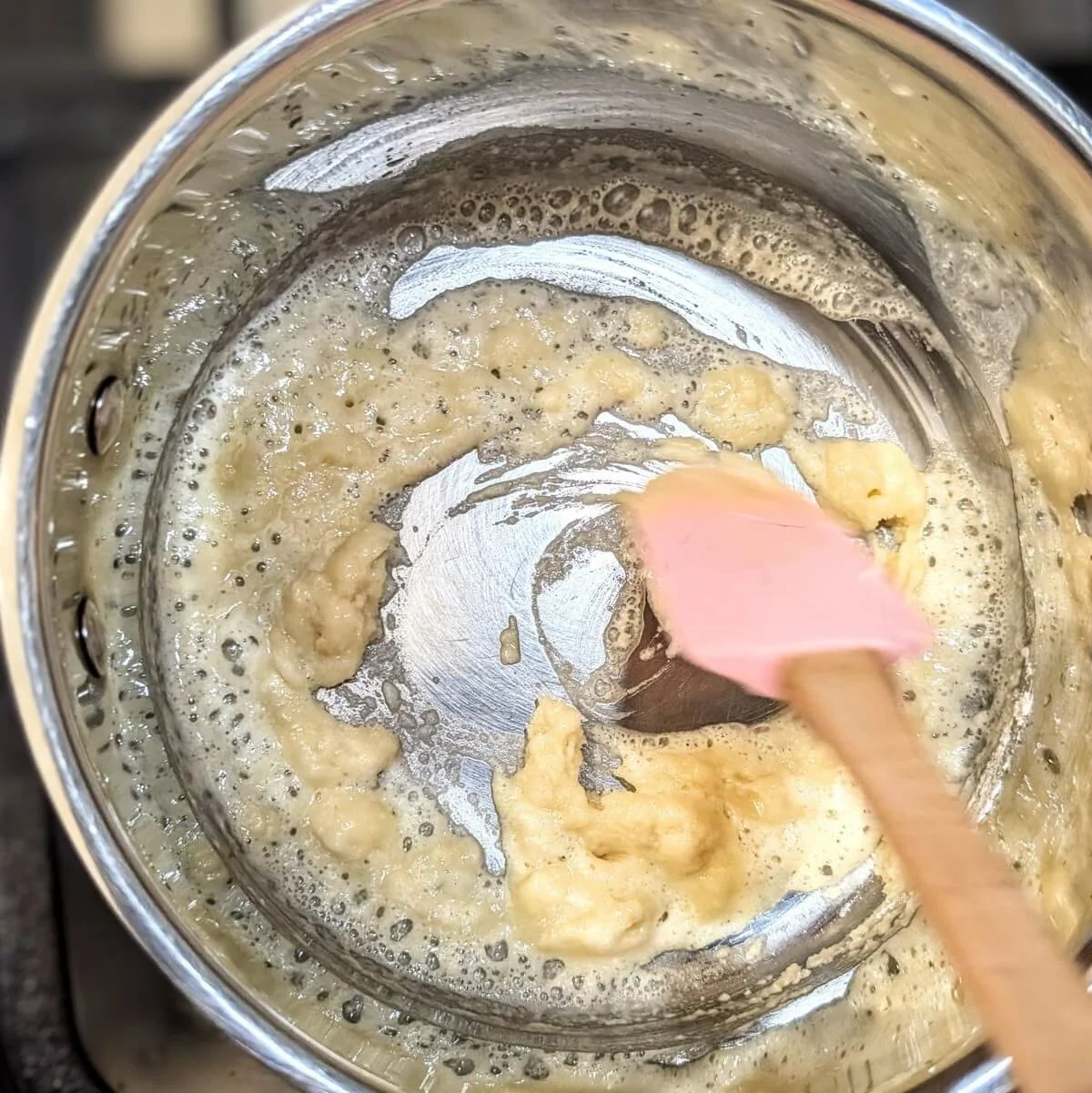
Roux is what gives most French mother sauces their body.
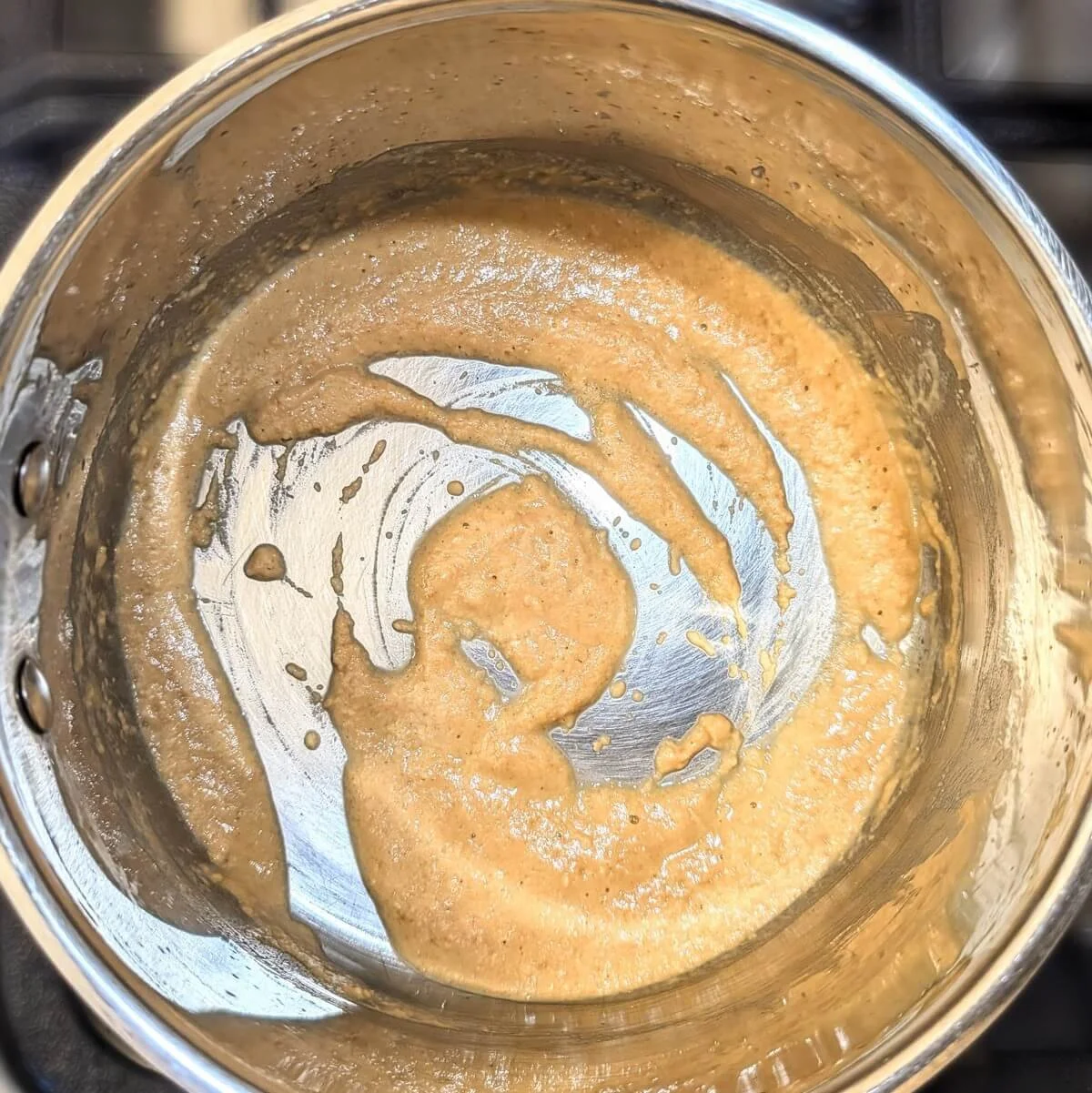
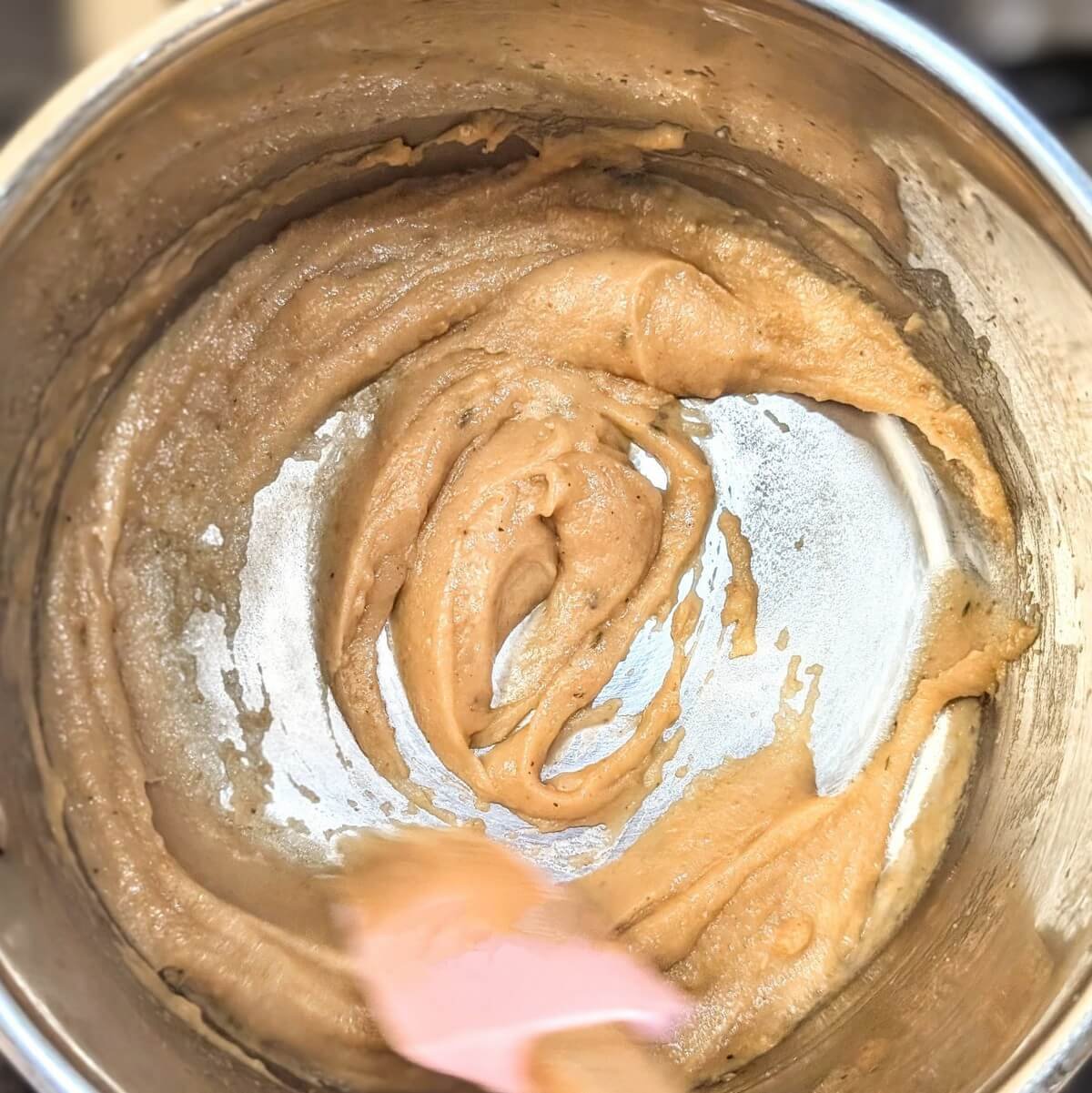
It’s a simple mixture of fat and flour, cooked to different stages depending on the sauce. Four of the five mother sauces—Béchamel, Velouté, Espagnole, and sometimes Tomato—use roux as a base to build flavor and thickness.
Each type of roux brings something different to the table:
White Roux: Mild and pale, used in Béchamel.
Blond Roux: Lightly toasted, with a subtle nuttiness. Used in Velouté.
Brown Roux: Deeply cooked for rich, roasted flavor. Key to Espagnole.
Aromatic Roux: Sometimes used in Espagnole or Tomato Sauce; aromatics like onion, carrot, and celery are cooked into the roux for extra depth.
If you want to learn how to make white, blond, and brown roux step by step, including when to use each one, check out my complete guide on how to make roux.
FAQs About the 5 French Mother Sauces
Which French mother sauce is the easiest to make?
Béchamel is often the easiest for beginners. It uses simple ingredients (butter, flour, milk) and is forgiving as long as you whisk in the liquid slowly. It’s a great place to start if you’re learning how to make roux-based sauces.
Can I make a roux with salted butter?
Yes, and I do it all the time. Just be mindful of the overall salt level in your dish—use a low-sodium or no-salt-added stock and hold off on adding extra salt until you’ve tasted the finished sauce.
Can I make a roux with olive oil?
Yes, but expect a slightly different result.
Olive oil lacks the milk solids and water content of butter, so the roux can cook faster in oil. It also won’t have that nutty aroma that butter-based roux develops. That said, if you’re making a dairy-free velouté or a Mediterranean-inspired dish, olive oil is a great option.
Other dairy-free fat options include rendered bacon fat, duck fat, beef tallow, lard, or even coconut oil—each bringing its own distinct flavor to the roux.
Should the liquid be hot or cold when adding it to a roux?
Ideally, warm to hot. If you pour cold liquid straight into a hot roux, it can seize up and create lumps.
Warm stock or milk helps the roux incorporate smoothly, thickening evenly as you whisk it in. The key is to add it one ladle at a time, waiting until the mixture thickens, smooths out, and comes to a boil before adding more. Incorporating the liquid slowly like this results in a perfectly velvety sauce.
That said, if you do end up with lumps, don’t panic—just keep whisking vigorously, and they usually work themselves out. Worst case, strain the sauce through a fine-mesh sieve at the end.
What’s the difference between white and brown stock?
White stock is made by simmering raw bones (such as chicken, fish, or veal) with aromatics, resulting in a light-colored stock with a clean, delicate flavor. It’s commonly used for sauces like velouté and lighter soups.
Brown stock is made by roasting bones (such as beef, veal, or lamb) and vegetables before simmering. This process develops a darker color and a deeper, more robust flavor. Brown stock is the foundation for richer sauces like Espagnole and demi-glace.
How does emulsification work?
Emulsification is the process of forcing two things that don’t naturally mix—like oil and water—to come together into a smooth, stable sauce. The key is using an emulsifier (egg yolks, mustard, tahini, or even garlic) to help suspend fat droplets in water-based ingredients.
The emulsifier is dual-natured; one side clings to water while the other grips the oil, acting as a bridge between the two. When the fat and liquid are dispersed into tiny droplets, they form a stable suspended solution instead of separating.
Temperature plays a role too—hot butter in hollandaise helps thicken the egg yolks slightly, almost like a custard, which stabilizes the sauce so it can be served warm.
Blending or whisking aggressively while slowly adding the fat is another essential step. I like using an immersion blender to make this process effortless, as in my Caesar dressing recipe.
Is there a 6th French mother sauce?
Technically, there are only five classical French mother sauces: béchamel, velouté, espagnole, hollandaise, and tomato. But if you ask modern chefs, some consider mayonnaise an honorary sixth.
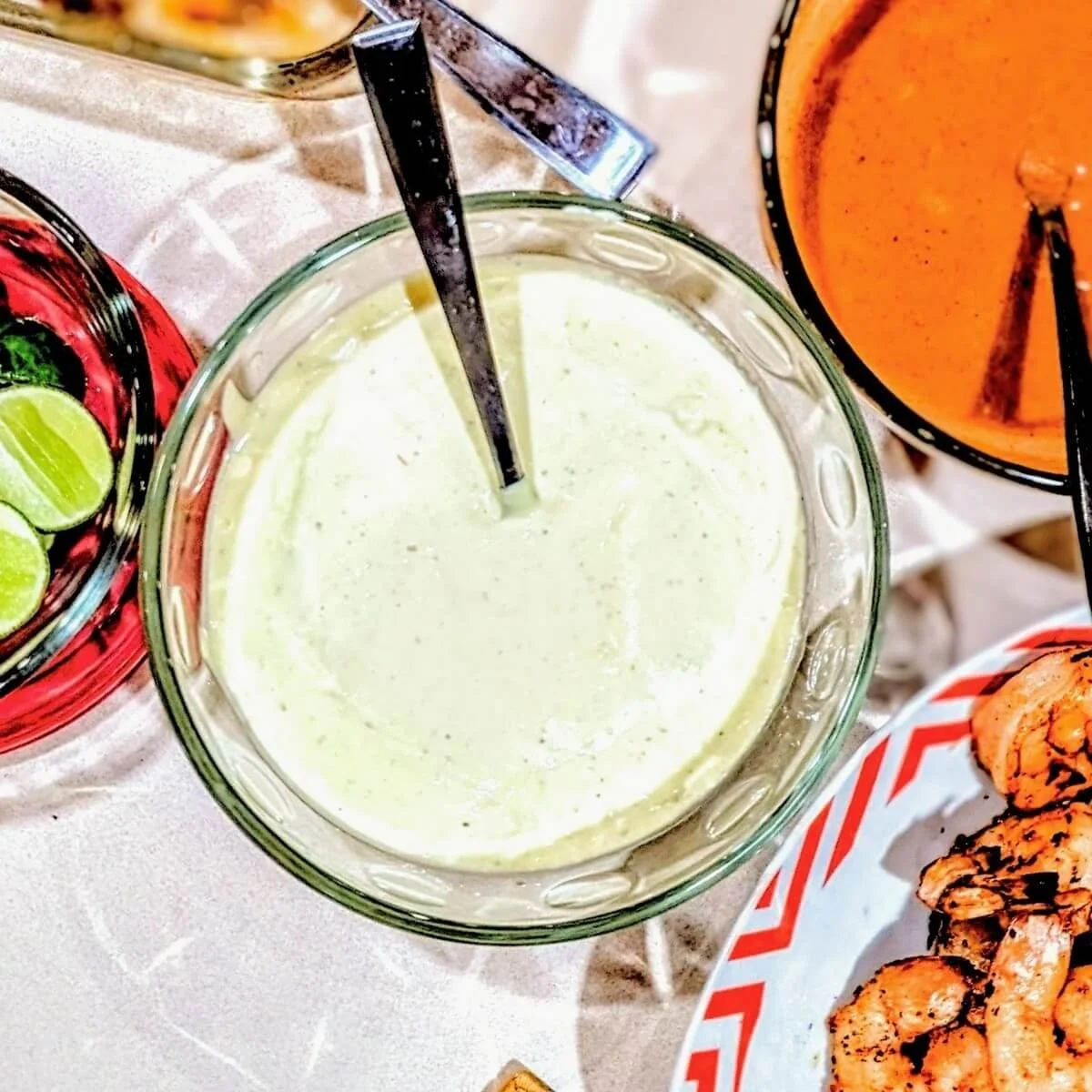
Like hollandaise, mayonnaise is an emulsion-based sauce, but it’s made with oil rather than butter and served cold. It’s a fundamental technique in cooking and incredibly versatile, acting as the base for countless variations and flavored sauces, like my jalapeño aioli recipe.
What is the difference between a derivative, daughter, or sister sauce?
A derivative sauce (sometimes called a daughter sauce) is just a fancy way of saying a sauce made from one of the five mother sauces. Think béchamel turning into Mornay when you add cheese, or Espagnole becoming sauce Chasseur when mushrooms, shallots, and wine are added.
A sister sauce is a similar concept—it’s related but made with slightly different ingredients. For example, Allemande sauce is often considered a sister to velouté because it starts the same way but is thickened with egg yolks and cream instead of just a roux.
Mastering the 5 Mother Sauces at Home Is Easier Than You Think!
These French sauces might sound fancy, but they’re surprisingly approachable—especially once you understand the core techniques. Three of the five mother sauces start with a simple roux, and once you’ve nailed that, you’ve already got a solid foundation.
In restaurants, I used the mother sauces constantly—hollandaise for brunch, demi-glace for steaks, tomato sauce for soups, braises, pasta; you name it. But at home, they’re just as useful. A quick béchamel can turn into a luxurious cheese sauce, and velouté makes the perfect base for a cozy chicken pot pie.
Mastering the mother sauces opens the door to better home cooking. You’ll build deeper flavor, gain more control over your results, and impress the people you cook for—all while learning timeless skills that chefs rely on every day.
🍳 Curious what cooking gear real chefs actually use at home? Here are the small kitchen appliances I swear by—the pro-level brands I learned to trust in restaurant kitchens.
Have you tried making the 5 mother sauces?
Let me know how it goes in the comments. If you have any questions, I’m always here to help!
Pin This French Mother Sauce Guide for Later!
More Pro Cooking Skills for Home Cooks
How to make stock from kitchen scraps: A foundational skill for flavorful sauces, soups, and braises.
How to carve a roast chicken with scissors: The fastest, cleanest way to break down a whole roast chicken—every home cook should know this.
How to cook over an open fire: Chef-approved campfire cooking techniques—from fire-building and heat control to recommended cookware.
The complete guide to brown butter: Learn how to make and use this nutty, versatile ingredient in both sweet and savory dishes.
The complete guide to preserved lemons: A step-by-step guide to making preserved lemons like a pro—plus creative ways to use the rind, pulp, and brine.





These chef-tested gingerbread cookies are warmly spiced, chewy in the middle, and crisp around the edges, with homemade royal icing for holiday decorating.