

15 Middle Eastern Recipes I Cook on Repeat as an Iraqi Chef
From vibrant sauces and herb-packed salads to grilled meats and comfort classics, these are the Middle Eastern recipes worth cooking again and again.
A Chef’s Approach to Middle Eastern Recipes
Iraqi-born and Canadian-raised, I learned Middle Eastern cooking in two places: at home and in restaurant kitchens. The Iraqi dishes came from my mom—where flavor and intuition mattered more than strict measurements.
In professional kitchens, that foundation was refined. I learned the techniques that create balance, build depth, and deliver the right texture every time. Over years of repetition, that experience turned into the shortcuts and practical tips you’ll find throughout my recipes.
This is a collection of the Middle Eastern recipes I love most. They’re the dishes I crave when I visit family and the ones I cook for friends when I want to share a real taste of home—fresh, familiar, deeply satisfying, and built on the structure and flavor balance I’ve developed as a chef.
My 15 Go-To Middle Eastern Recipes
Essential Middle Eastern Sauces & Condiments
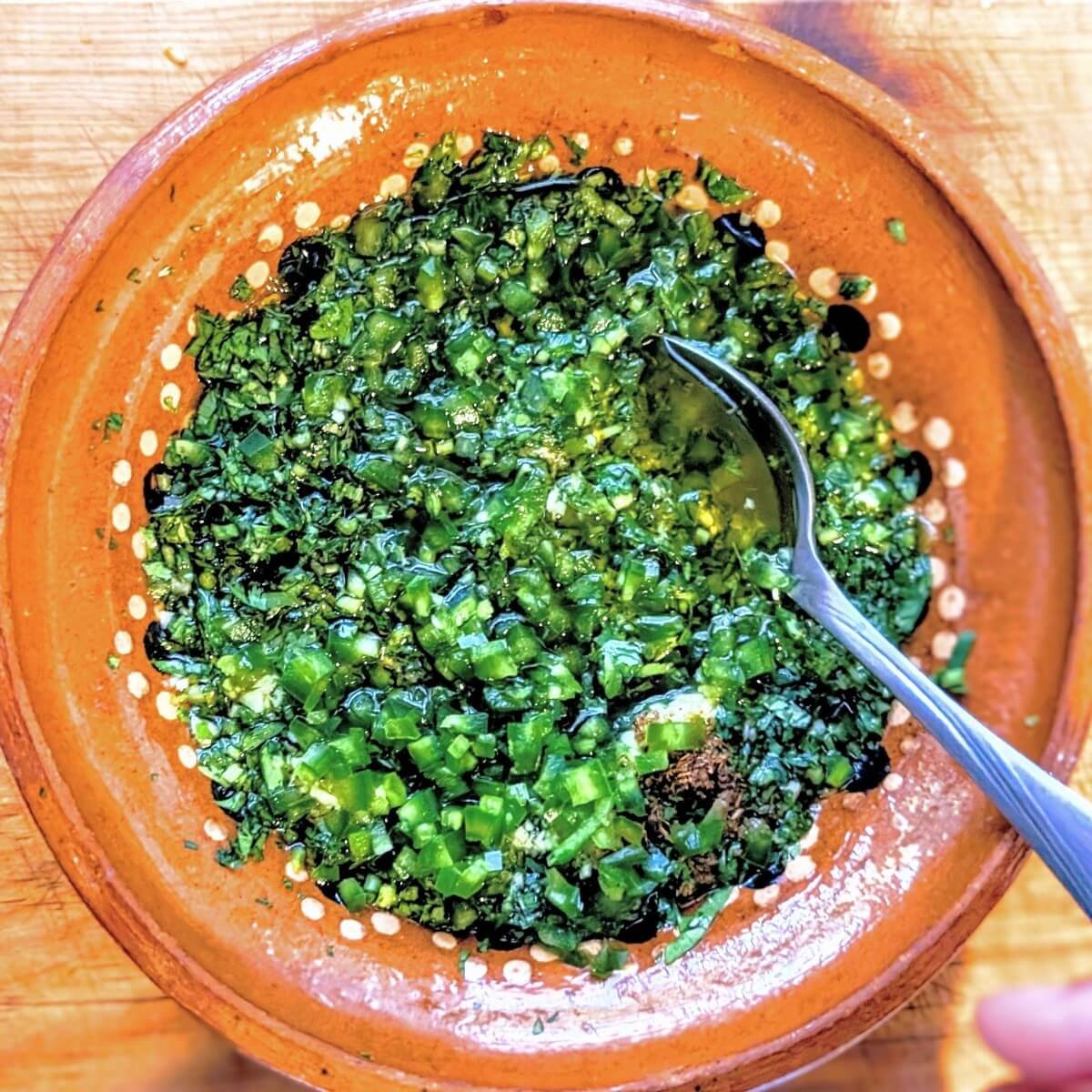
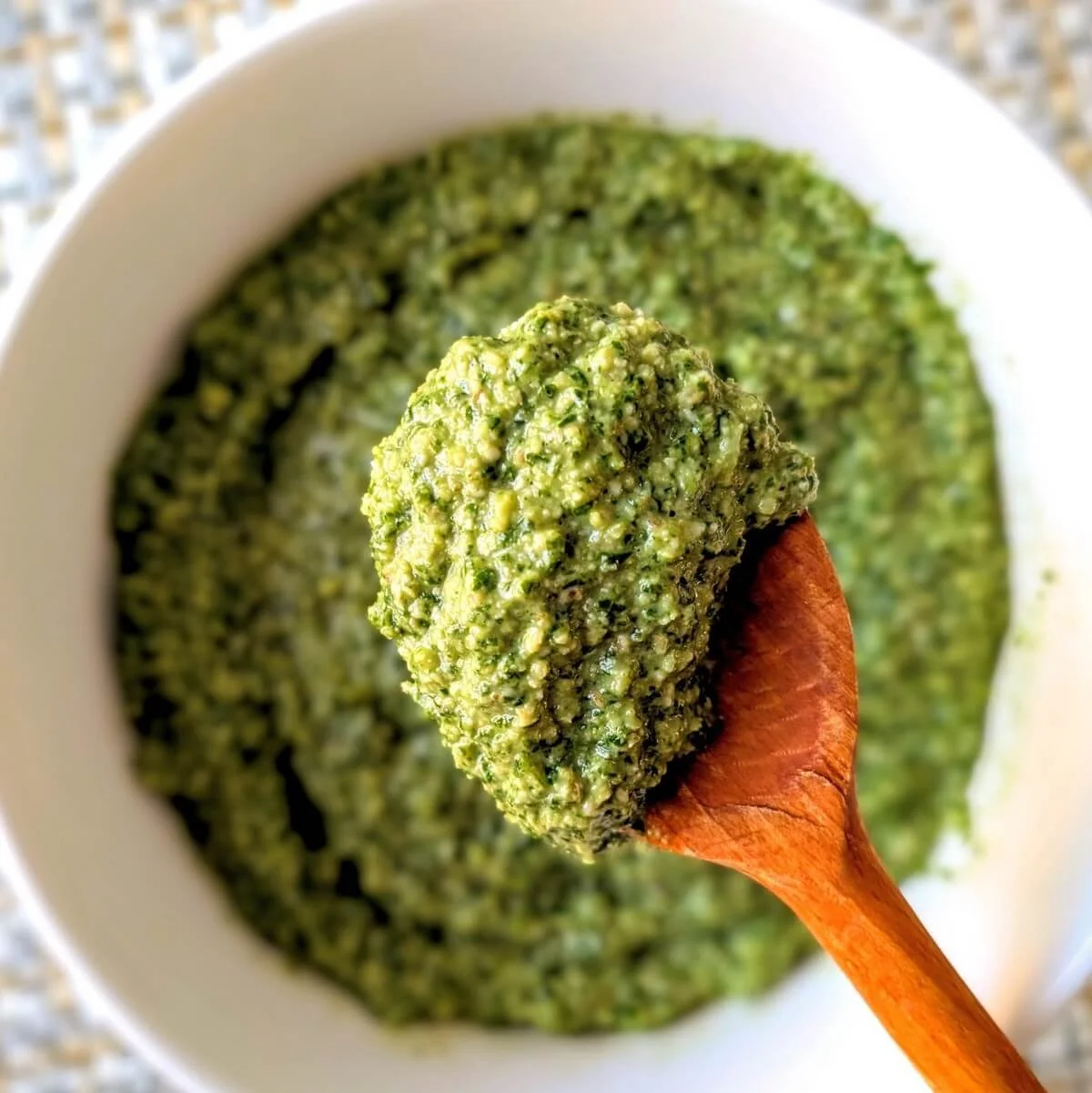
1. Zhoug (Spicy Green Sauce)
I learned this one in an Israeli-style restaurant, where a spoonful could transform an entire dish. Fiery, fresh, and herb-packed, zhoug instantly brings heat and brightness to grilled meats, roasted vegetables, and sandwiches.
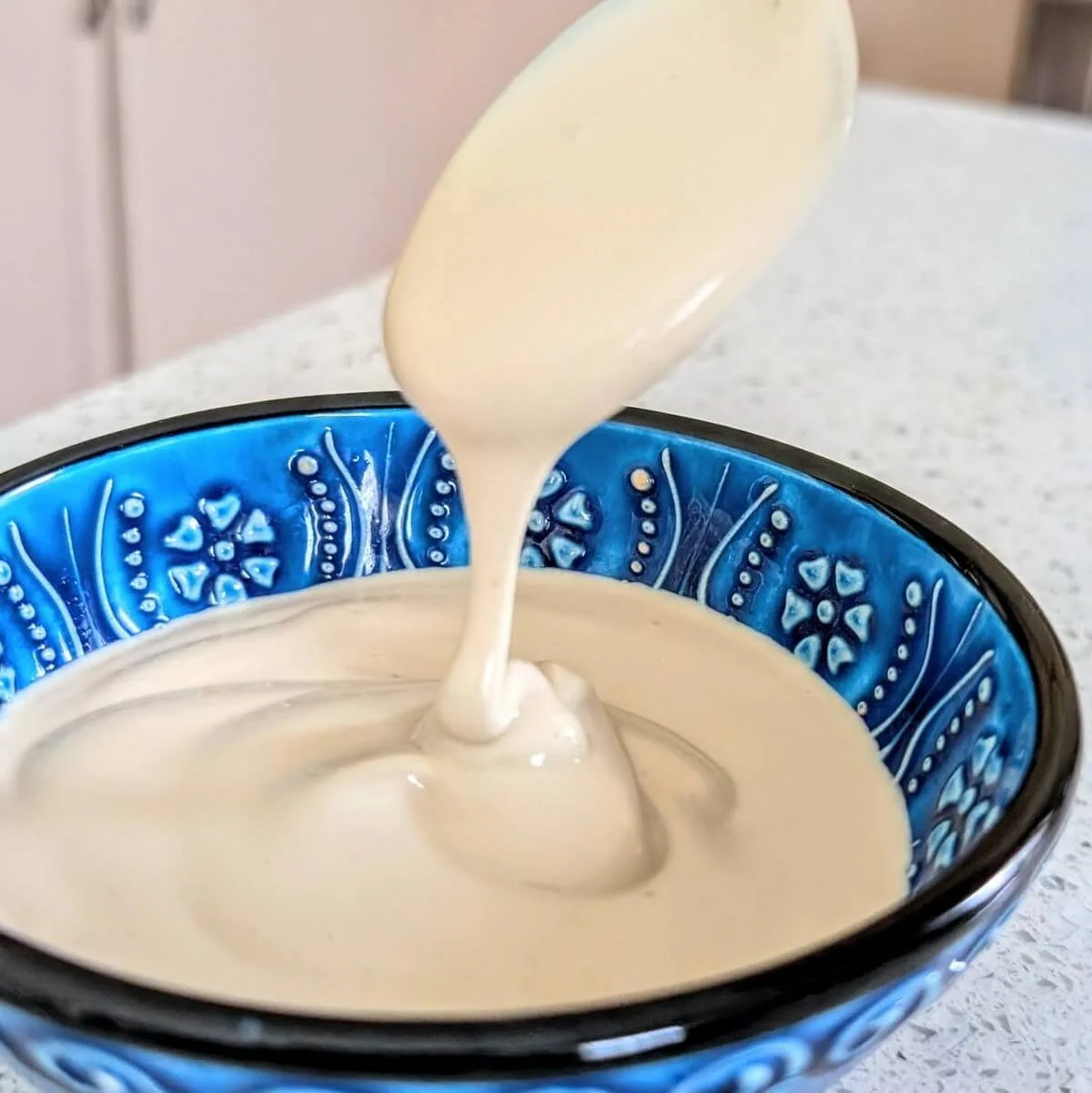
2. Lemon Tahini Sauce
I can’t help but add an absurd amount of this tahini sauce to shawarma, falafel wraps, and almost anything else on the table. Creamy, nutty, and lively with lemon, it’s also the perfect dressing for my make-ahead kale salad.
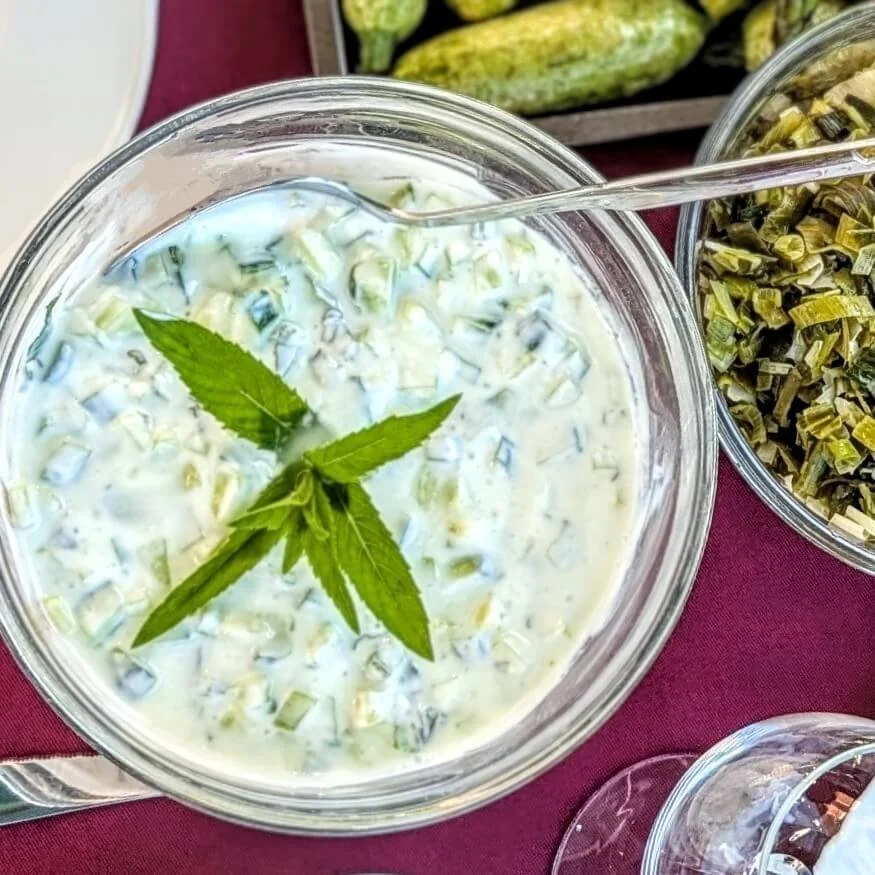
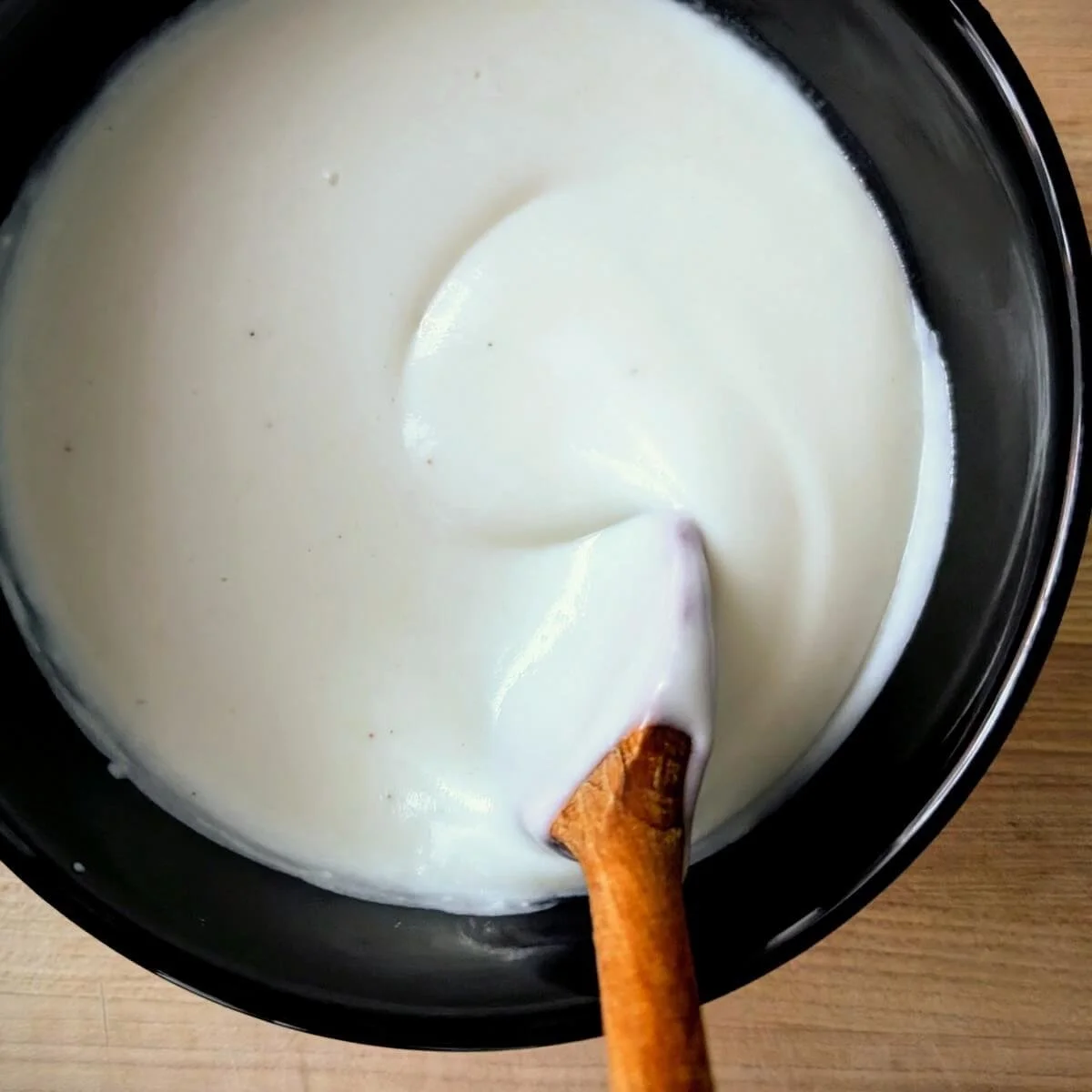
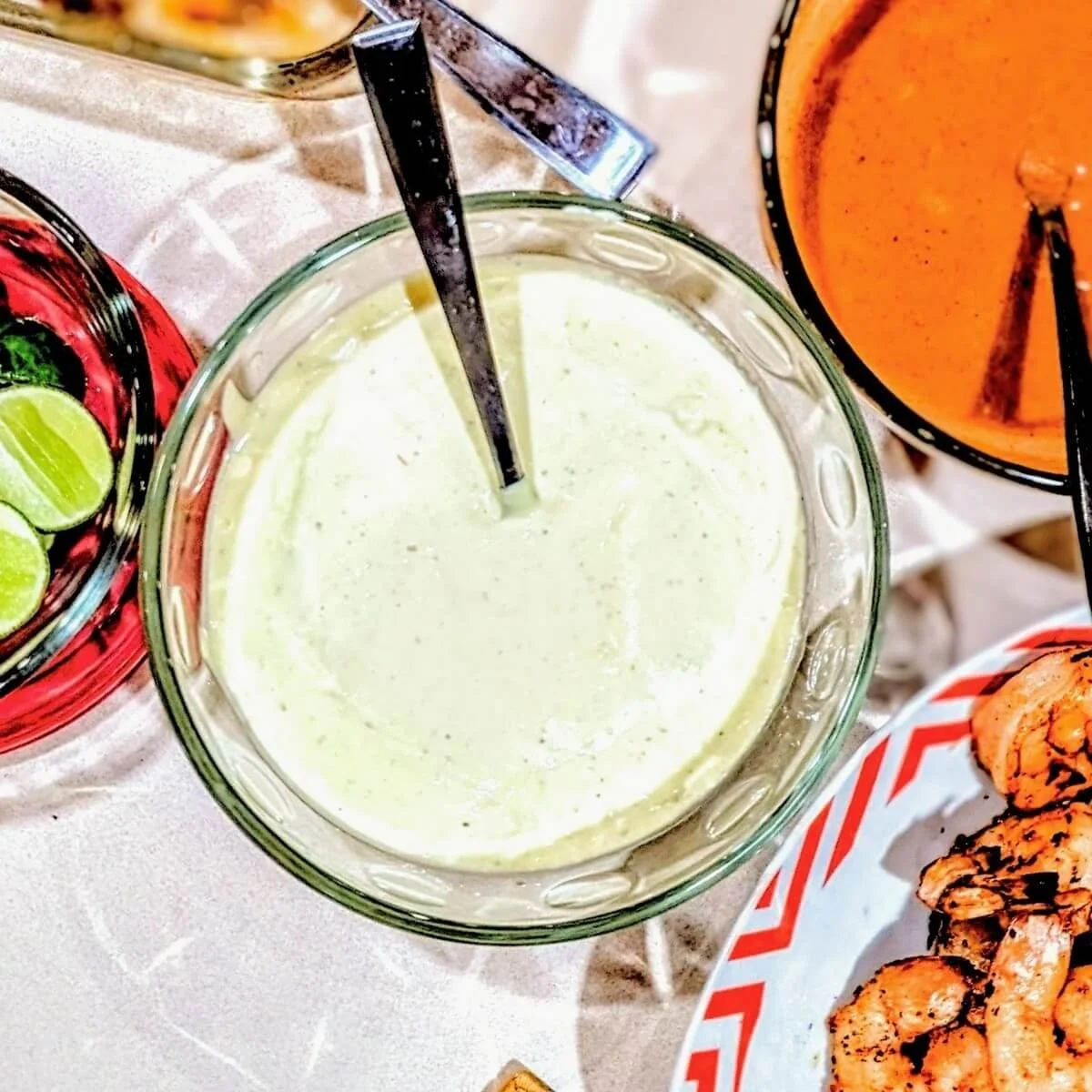
3. Jajik (Iraqi Yogurt Sauce)
Think of jajik as tzatziki’s Iraqi cousin. Cool, tangy, and heavy on fresh mint, it’s the perfect contrast to grilled kofta kebabs or any smoky meat.
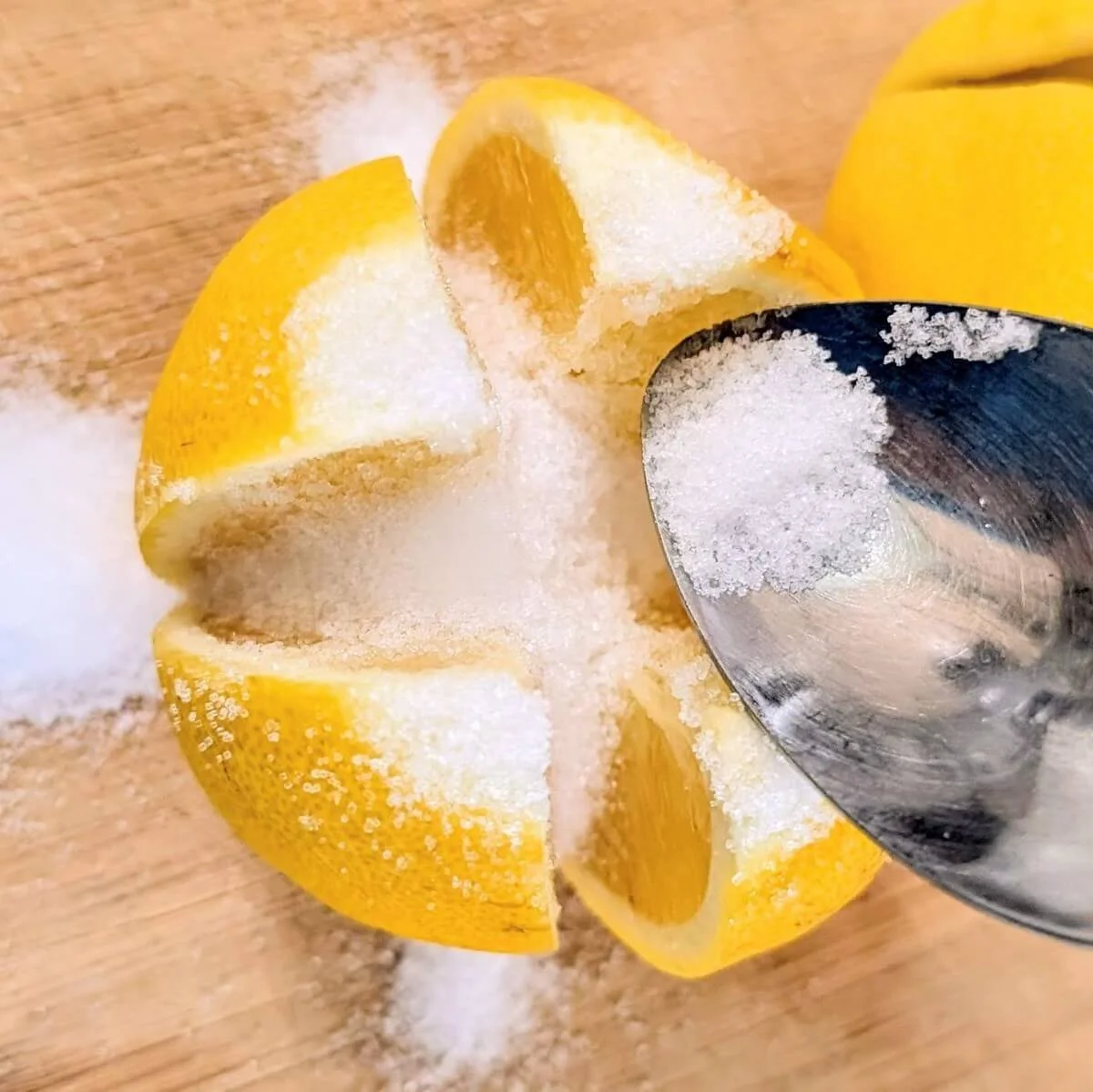
4. Preserved Lemons
A chef’s best friend for instant depth of flavor, this North African staple is salty, citrusy, and satisfyingly umami. Preserved lemons add a pop of flavor to everything from tagines to desserts—and my easy bag method makes them foolproof at home.
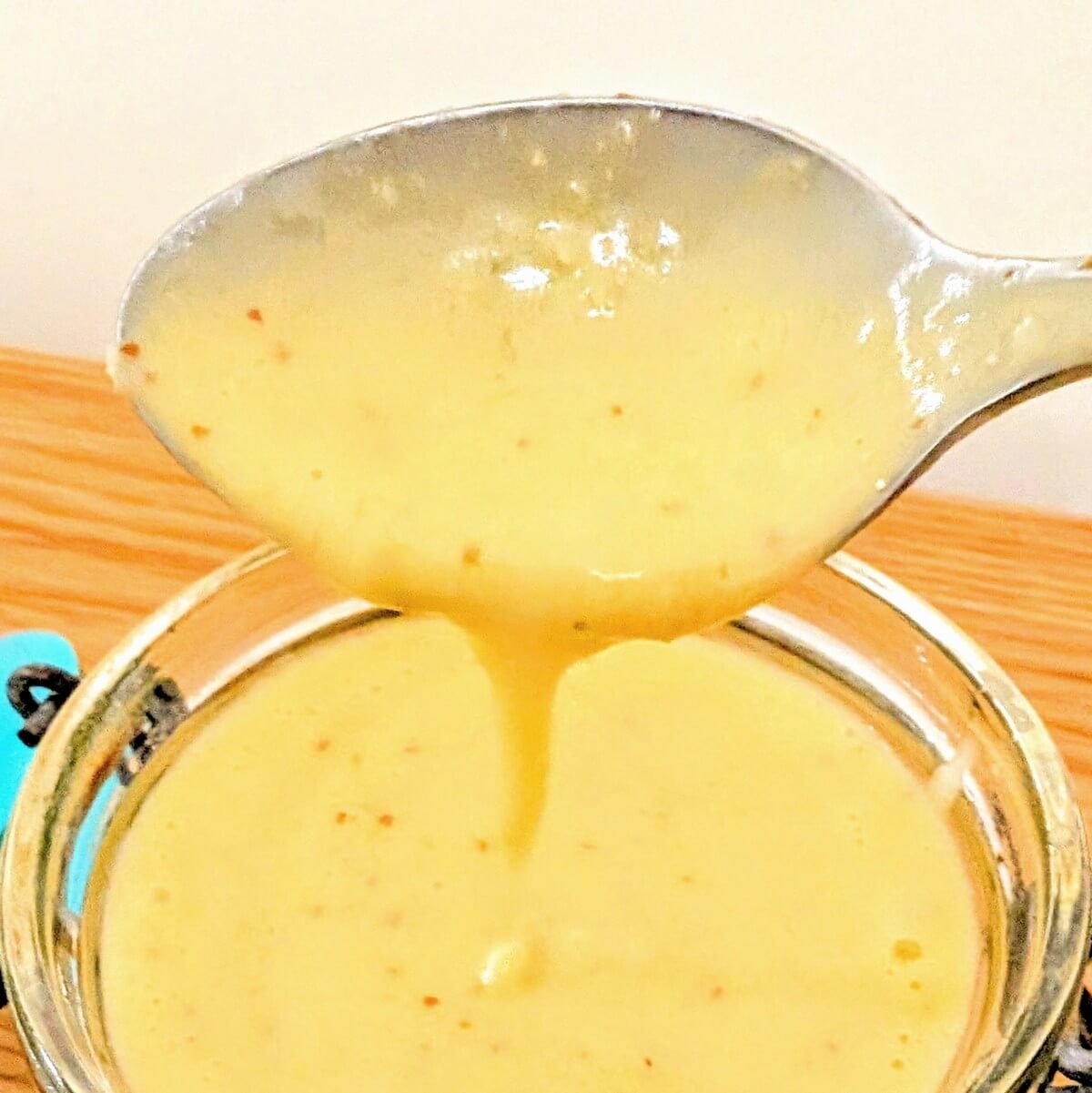
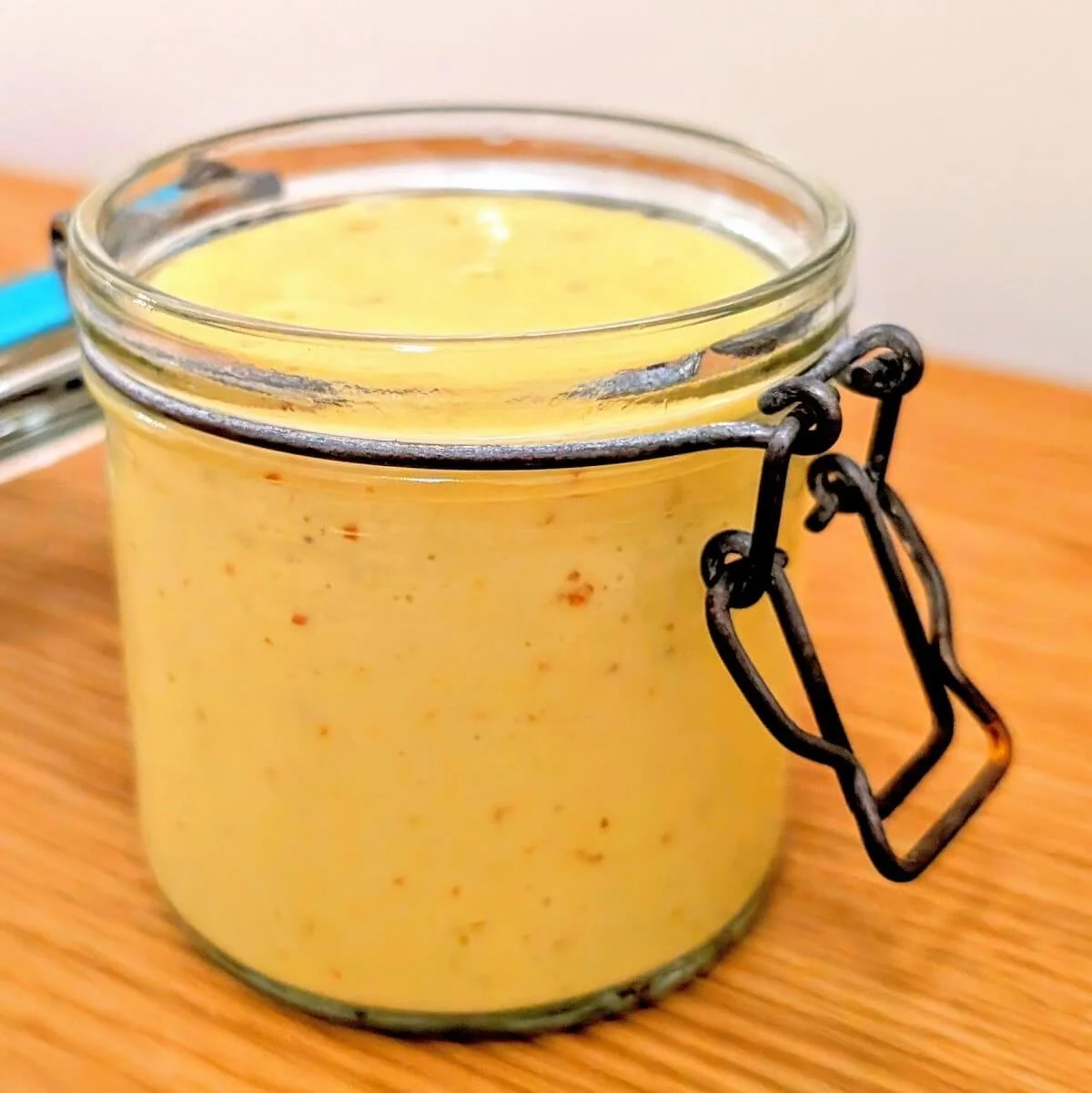
5. Preserved Lemon Vinaigrette
Bright, golden, and bursting with citrus—this preserved lemon vinaigrette tastes like sunshine in a jar. It pairs especially well with peppery greens, fresh fruit like strawberries or peaches, and couscous salads.
Fresh Middle Eastern Salads & Sides
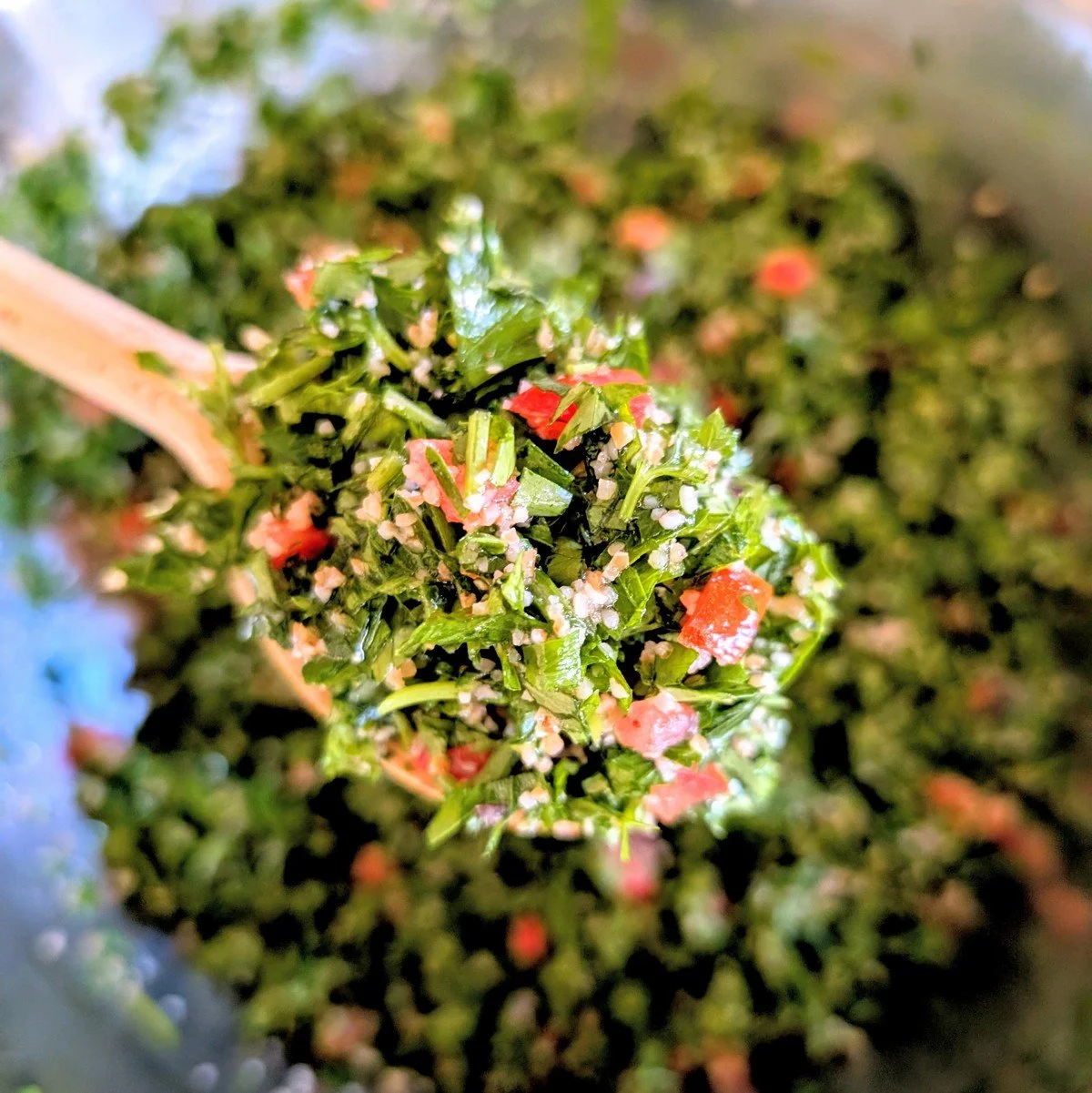
6. Authentic Tabbouleh Salad
Herbaceous, vibrant, and nearly impossible to stop eating straight from the bowl—this traditional tabbouleh is packed with flat-leaf parsley, green onion, tomato, and just enough bulgur for nuttiness and texture.
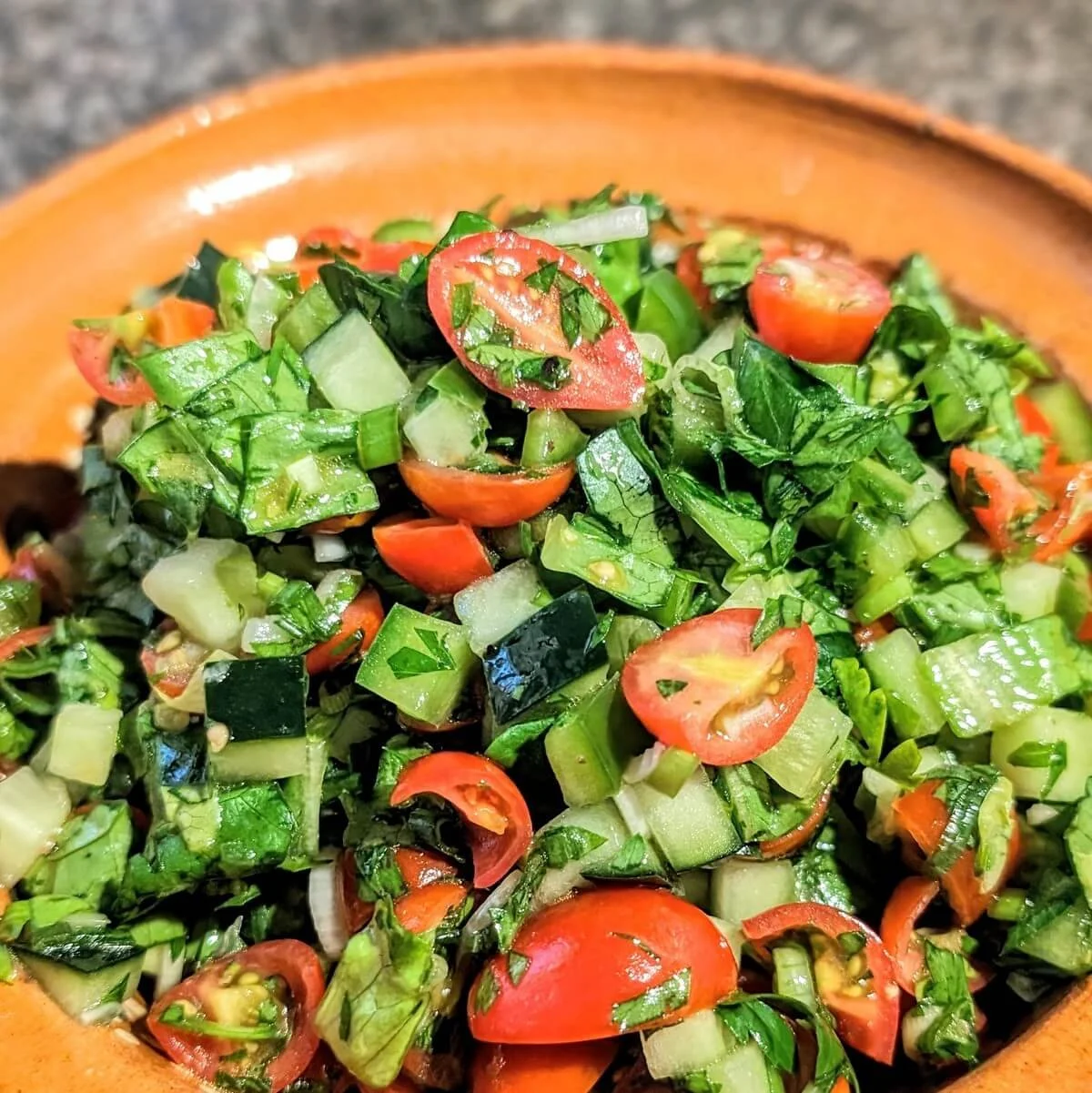
7. Arabic Chopped Salad
Everything in this salad is finely chopped so you get a little bit of everything in every bite. Dressed simply with olive oil and lemon, it almost becomes a condiment—perfect with rice, tucked into wraps, or as a quick lunch.
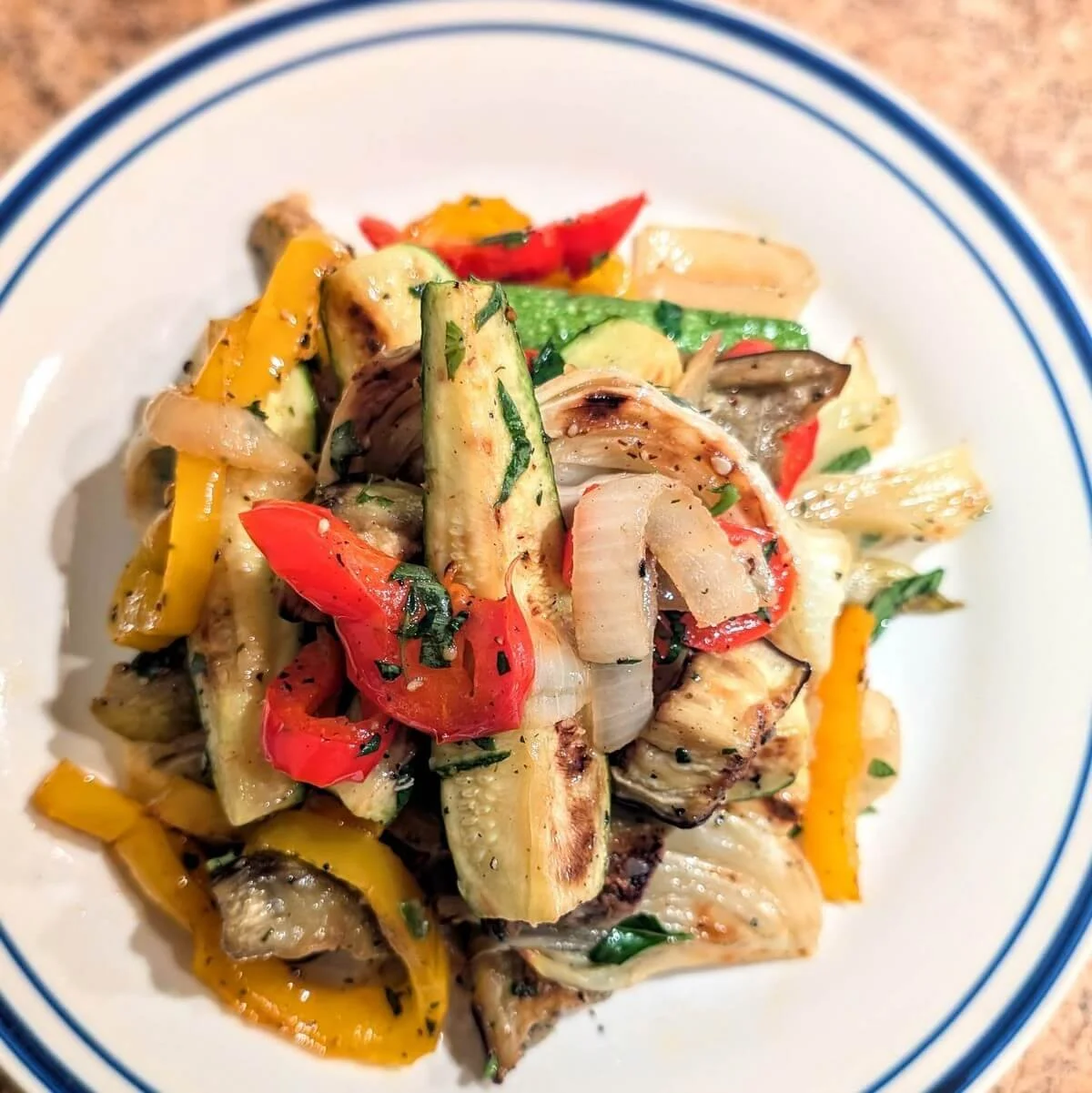
8. Oven Roasted Mediterranean Vegetables
These are the classic Middle Eastern vegetables—eggplant, zucchini, peppers, and onions—but taken up a notch. Each one is roasted in a high-heat oven for caramelization, then tossed with a herb and garlic vinaigrette, adding layers of texture and flavor.
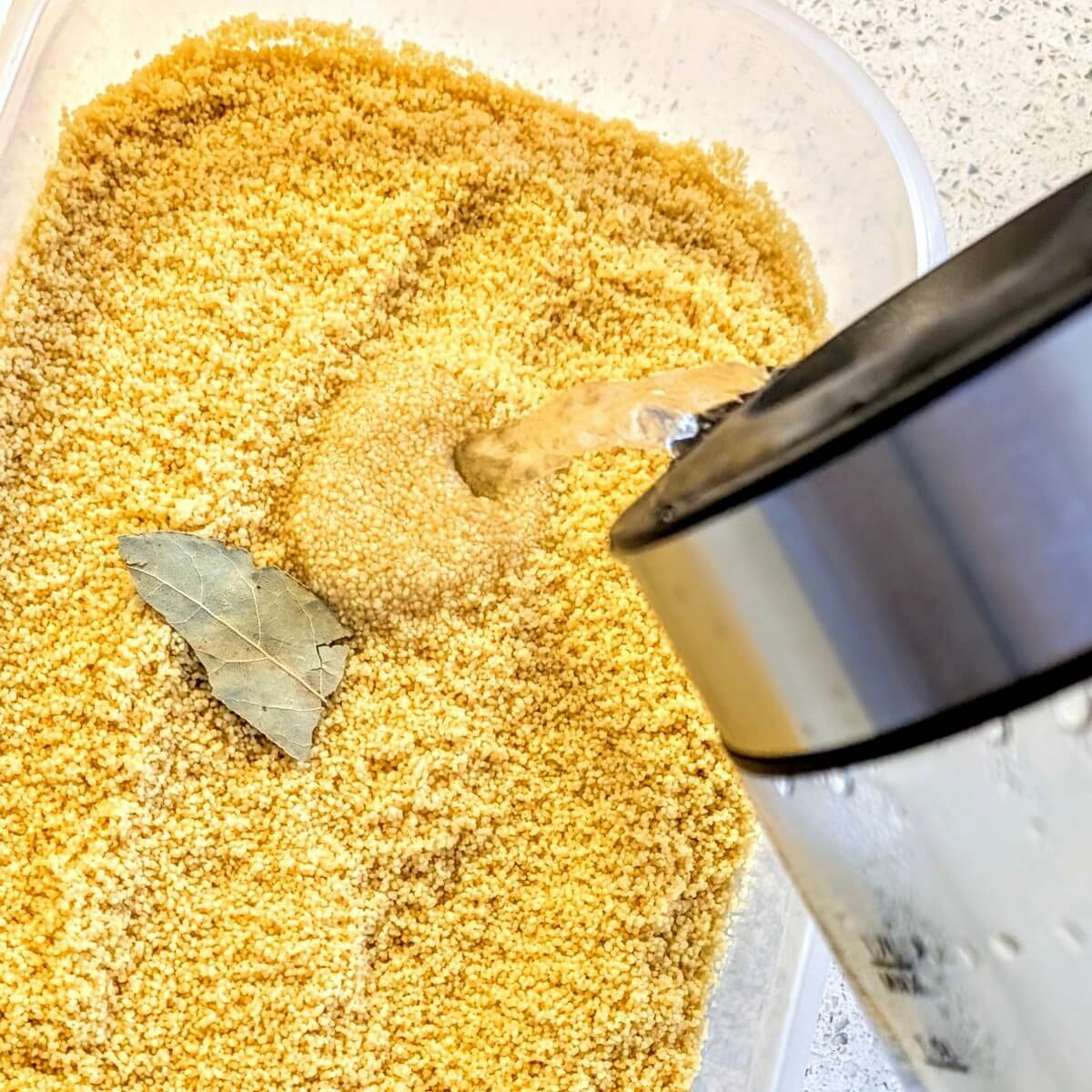
9. Couscous
This North African staple is the fastest, most forgiving grain you can make. Coating it in olive oil first helps keep it from sticking, so it’s perfectly light and fluffy every time—and using a kettle makes it even easier.
Grilled & Roasted Middle Eastern Mains
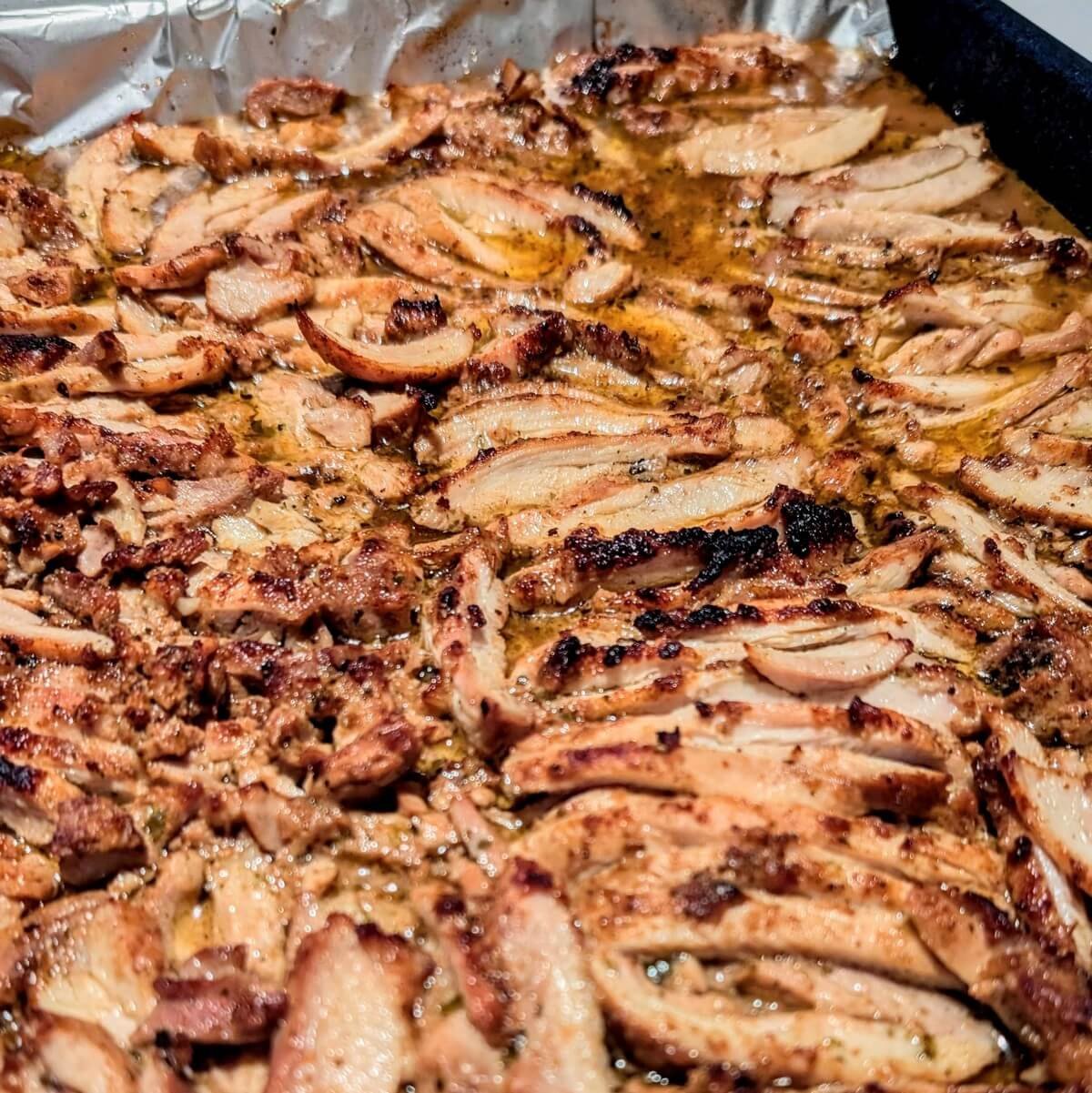
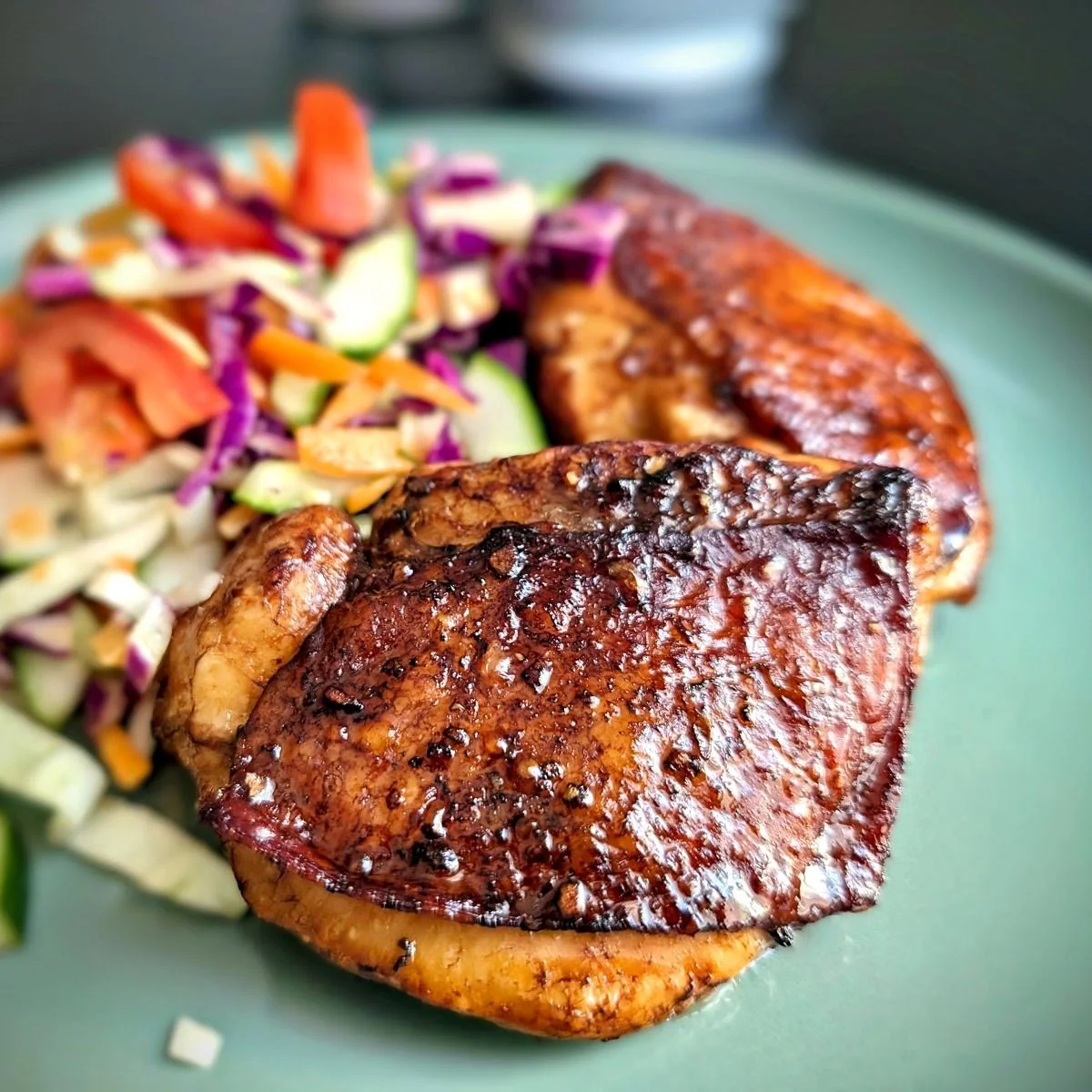
10. Sheet Pan Chicken Shawarma Thighs
There’s nothing quite like shawarma, but it’s hard to recreate at home. With my method, you get fragrantly spiced, juicy chicken cooked on a single sheet pan. Marinated overnight, then roasted and broiled for those crispy, charred edges.
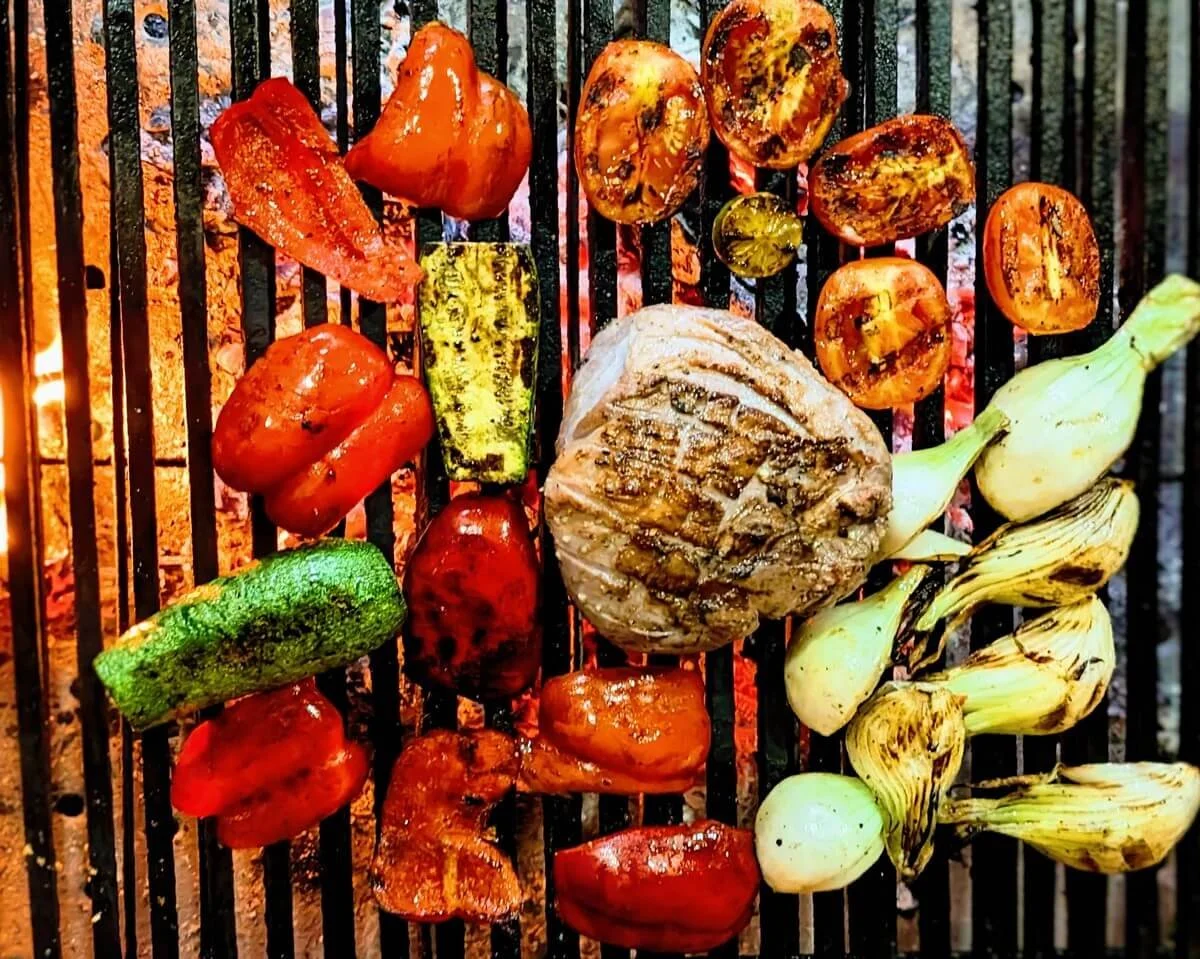
11. Grilled Lamb Roast with Summer Vegetables
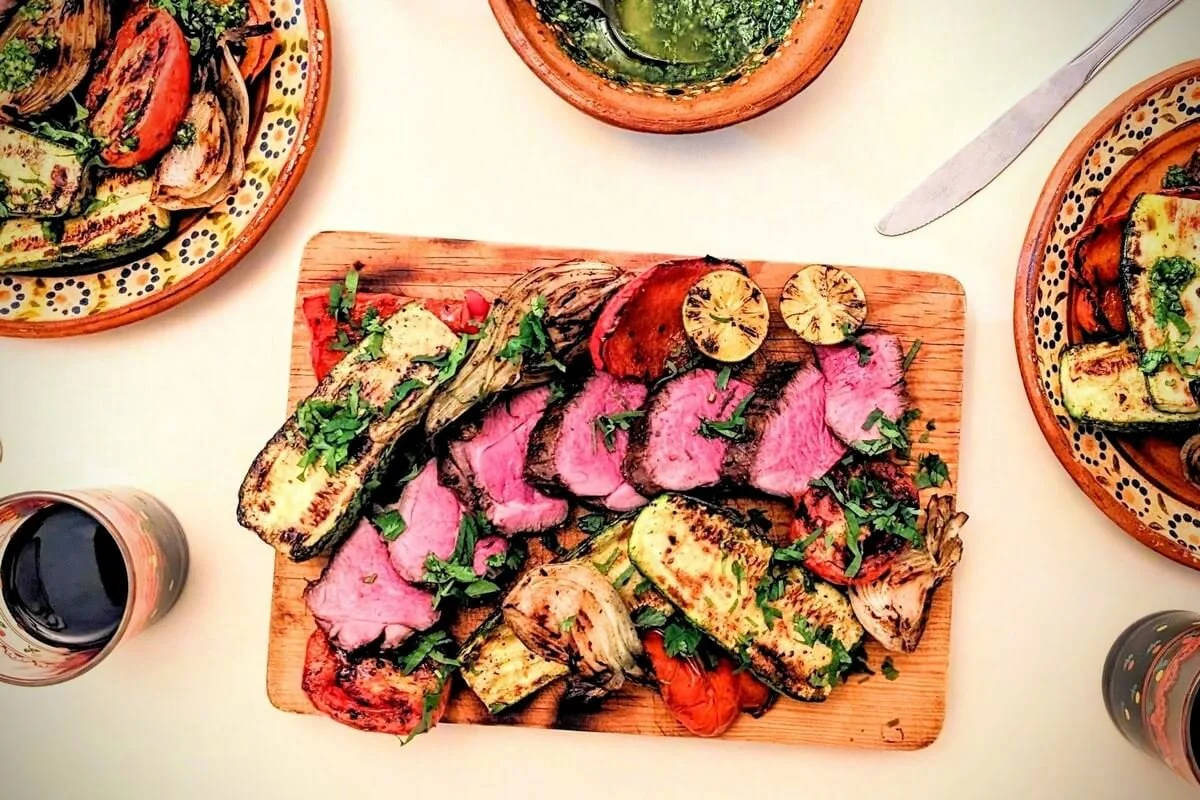
Who says roasts need to cook in the oven? This lamb is marinated with cumin and garlic, then grilled over high heat until beautifully charred on the outside and rosy in the center. Add grilled vegetables and zhoug, and you’ve got a summer dinner worth gathering around.
12. Grilled Cod with Tamarind, Onion & Tomato
An Iraqi classic that always takes me back. Filleted fish is topped with sliced onion and tomato, brushed with tangy-sweet tamarind, then grilled until lightly charred and caramelized. Cooking it in a grill basket keeps everything intact—no sticking, no falling apart.

Slow-Braised & Comforting Middle Eastern Classics
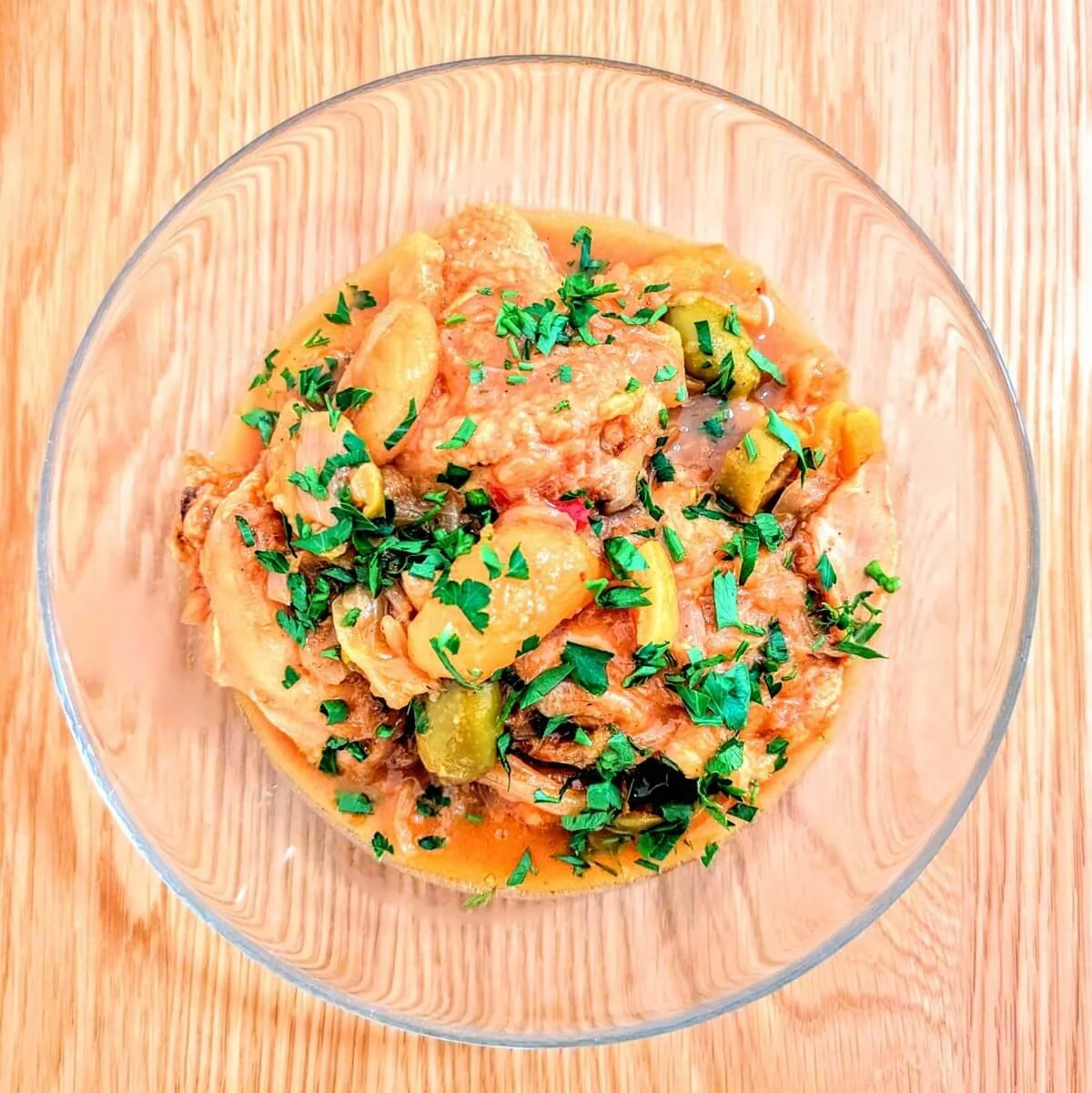
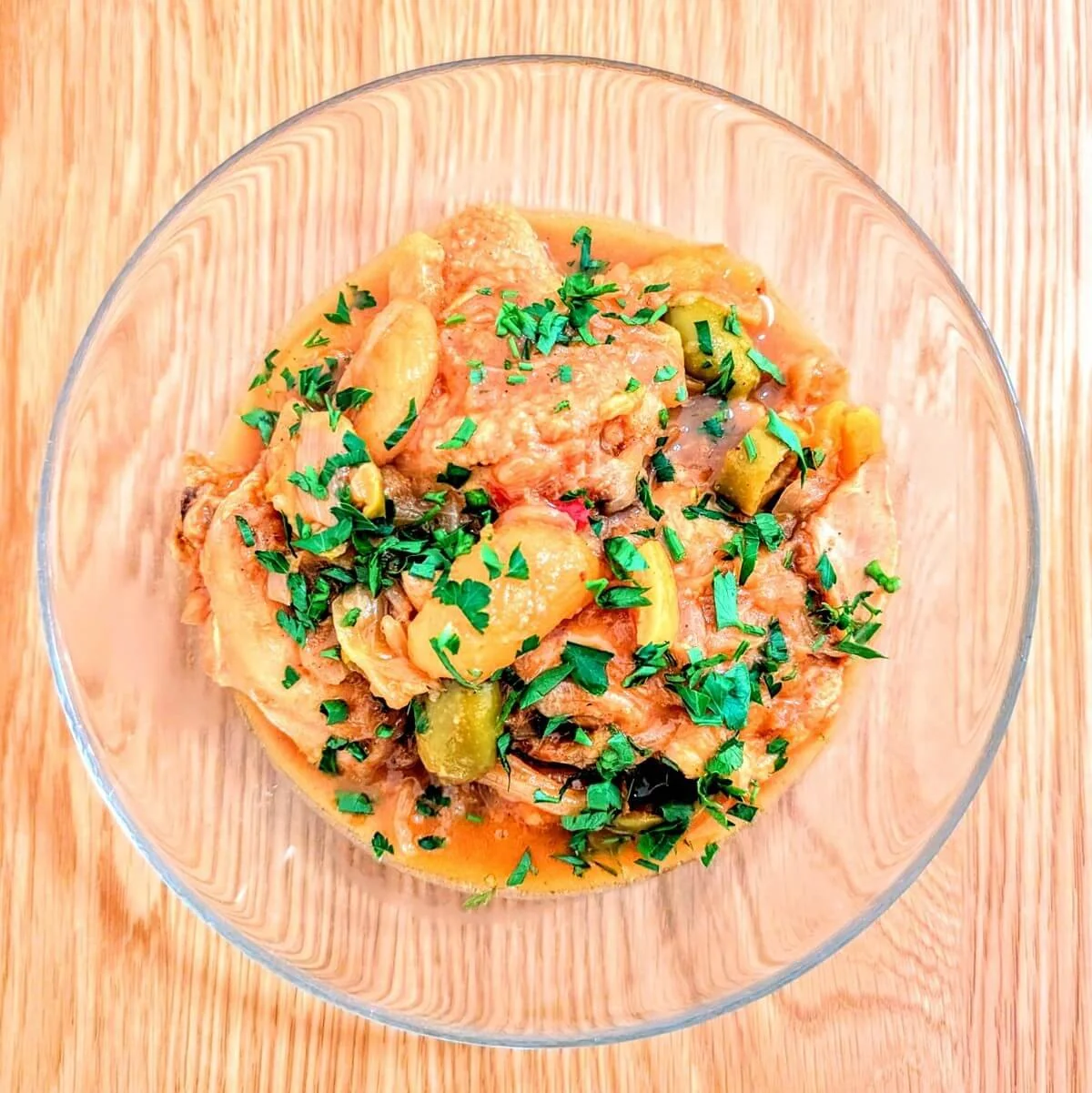
13. Chicken Tagine with Preserved Lemon, Olives & Apricots
Named after the clay pot it’s traditionally cooked in, this golden, slow-simmered tagine is subtly sweet, briny, and gently spiced. At home, I braise it in a standard pot, where chicken, olives, preserved lemon, and dried apricots meld into a savory onion base.
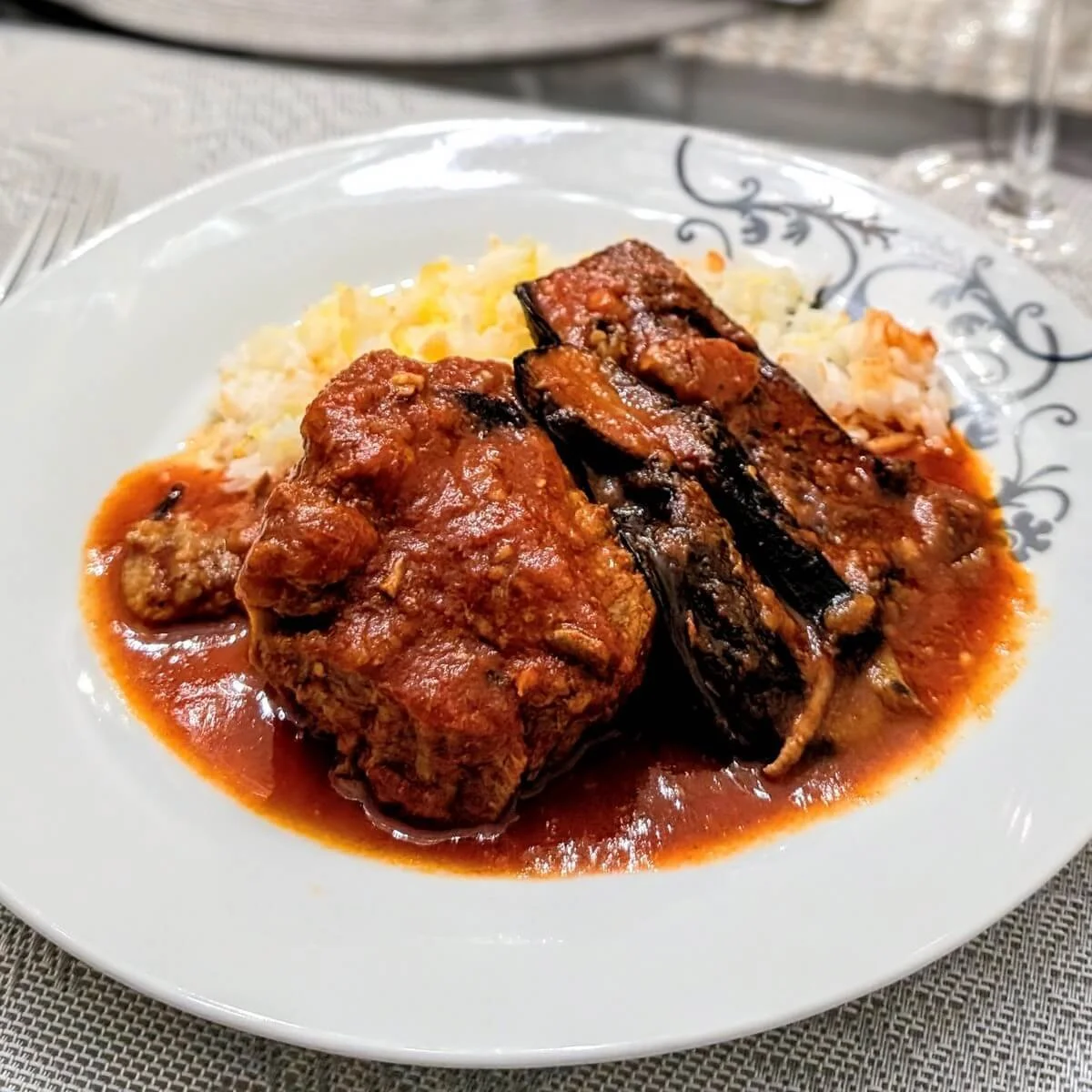
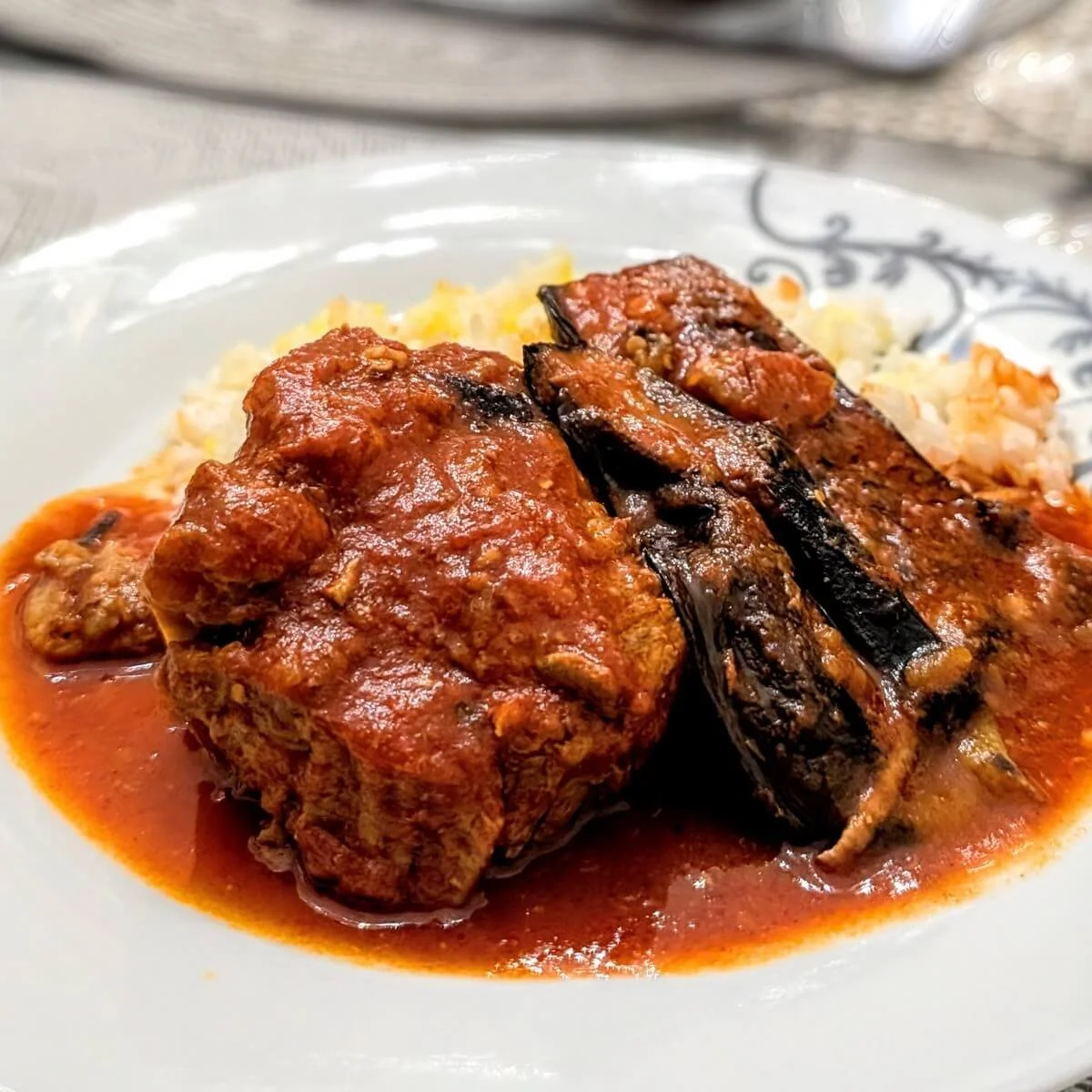
14. Iraqi Lamb & Eggplant Stew
The stew I ask for every time I go home. I developed this traditional Iraqi dish side by side with my mom, getting every nuance just right. Braised lamb and deeply browned eggplant are layered into a rich tomato sauce—comforting, nostalgic, and worth every step.
15. Iraqi Chicken Soup
Iraq’s answer to classic chicken soup—the kind that makes everything feel better. Bone-in chicken simmers with whole onions, potatoes, chickpeas, and turmeric until everything is fall-apart tender. Simple, restorative, and comforting.

What Makes These Middle Eastern Recipes Work
The dishes on this list all share a common thread: signature regional ingredients, refreshing acidity, and built-in contrast. These are the principles that give Middle Eastern food its unmistakable character:
Acid isn’t optional: Lemon juice, yogurt, and preserved lemon aren’t just finishing touches—they’re essential. They cut through richness, keeping dishes lively instead of heavy. If something tastes flat, try a squeeze of lemon before reaching for more spice.
Herbs are used generously and intentionally: Parsley, mint, cilantro, dill, and green onions aren’t just garnish. In dishes like tabbouleh, they’re the foundation. Used liberally and added fresh, they bring the herbaceous lift that makes Middle Eastern food taste vibrant.
Condiments create contrast: No dish stands alone. Tahini adds savory depth, zhoug brings heat, yogurt cools, and pickles add crunch and acidity. That constant interplay of rich and tangy, hot and cool, soft and crisp is what keeps food interesting from the first bite to the last.
Flavor is built in layers: Middle Eastern dishes aren’t rushed. Onions are cooked until sweet, eggplant is properly caramelized, meats are marinated in yogurt and spices, and nuts are toasted until golden. Build flavor step by step, giving each ingredient the time it needs to develop real color and complexity.
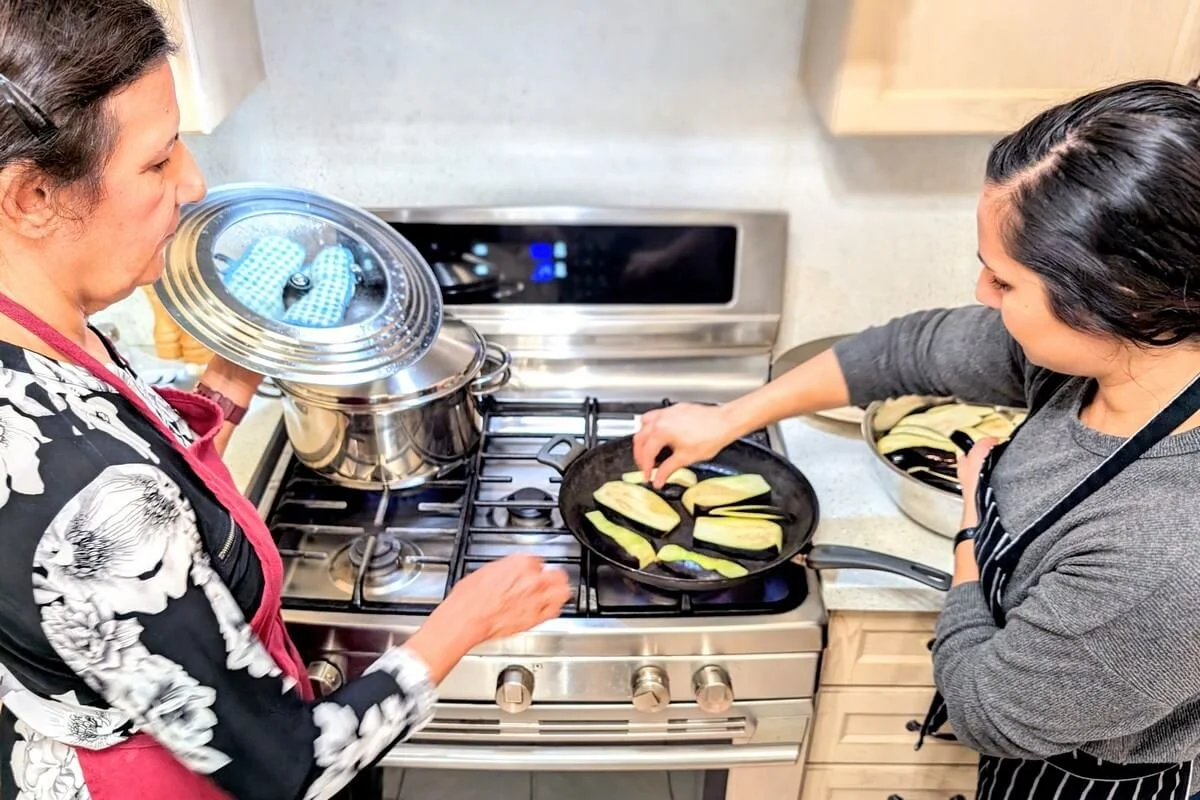
Cooking side by side with my mom—learning how to get the perfect sear on eggplant for lamb and eggplant stew.
Middle Eastern Recipe FAQs
What’s a good beginner Middle Eastern recipe to start with?
If you’re new to Middle Eastern cooking, start with something simple but flavorful like my sheet pan chicken shawarma or a refreshing chopped salad. Both rely on straightforward ingredients and techniques, but still deliver big flavor. Couscous is another great entry point—it’s quick, forgiving, and pairs with almost everything.
Do I need special ingredients to cook Middle Eastern food?
Not necessarily. Many of my Middle Eastern recipes use everyday ingredients like lemon, garlic, olive oil, yogurt, and fresh herbs. Specialty items like tahini paste or preserved lemon add depth and are typically found in international shops & aisles—or can even be made at home. If you need a swap, each recipe includes substitutions so you can work with what you have.
Is Middle Eastern food spicy?
Middle Eastern food is flavorful, but not necessarily spicy. Warm spices like cumin, coriander, cinnamon, clove, and paprika are common, but heat from chili peppers is usually optional. Only certain sauces, like zhoug, bring noticeable heat.
How do I build a complete Middle Eastern meal from these recipes?
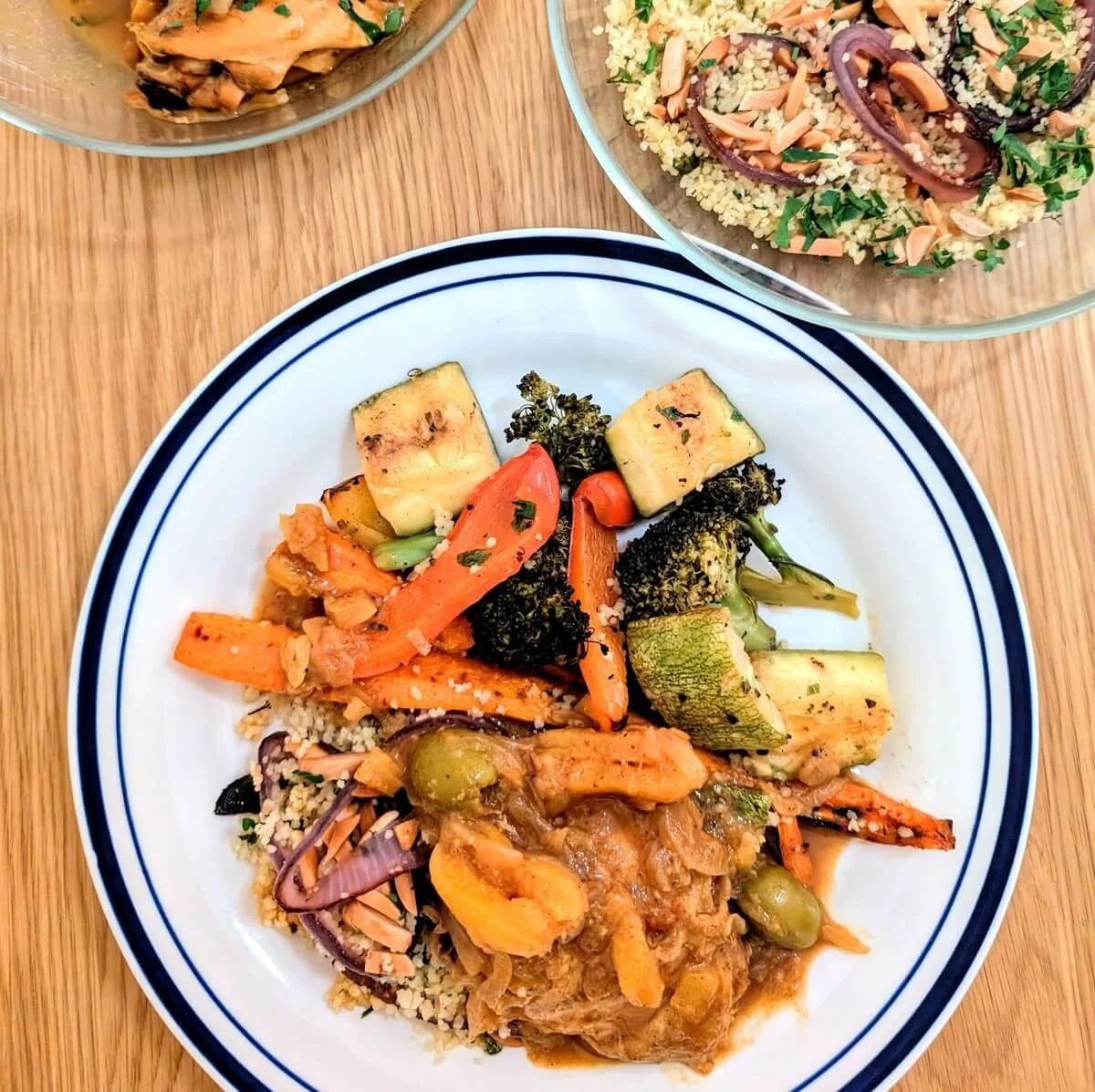
Start with a main dish like the grilled lamb roast or chicken tagine. Add one fresh salad (tabbouleh or chopped salad), one side (couscous or roasted vegetables), and a couple of condiments like tahini, zhoug, or jajik. That combination of warm protein, aromatic herbs, a flavorful side, and a punchy sauce creates a balanced Middle Eastern plate.
Which Middle Eastern recipe are you making first?
I’d love to hear what you try, how you serve it, or how you make it your own.
More Cooking Guides & Curated Meal Ideas
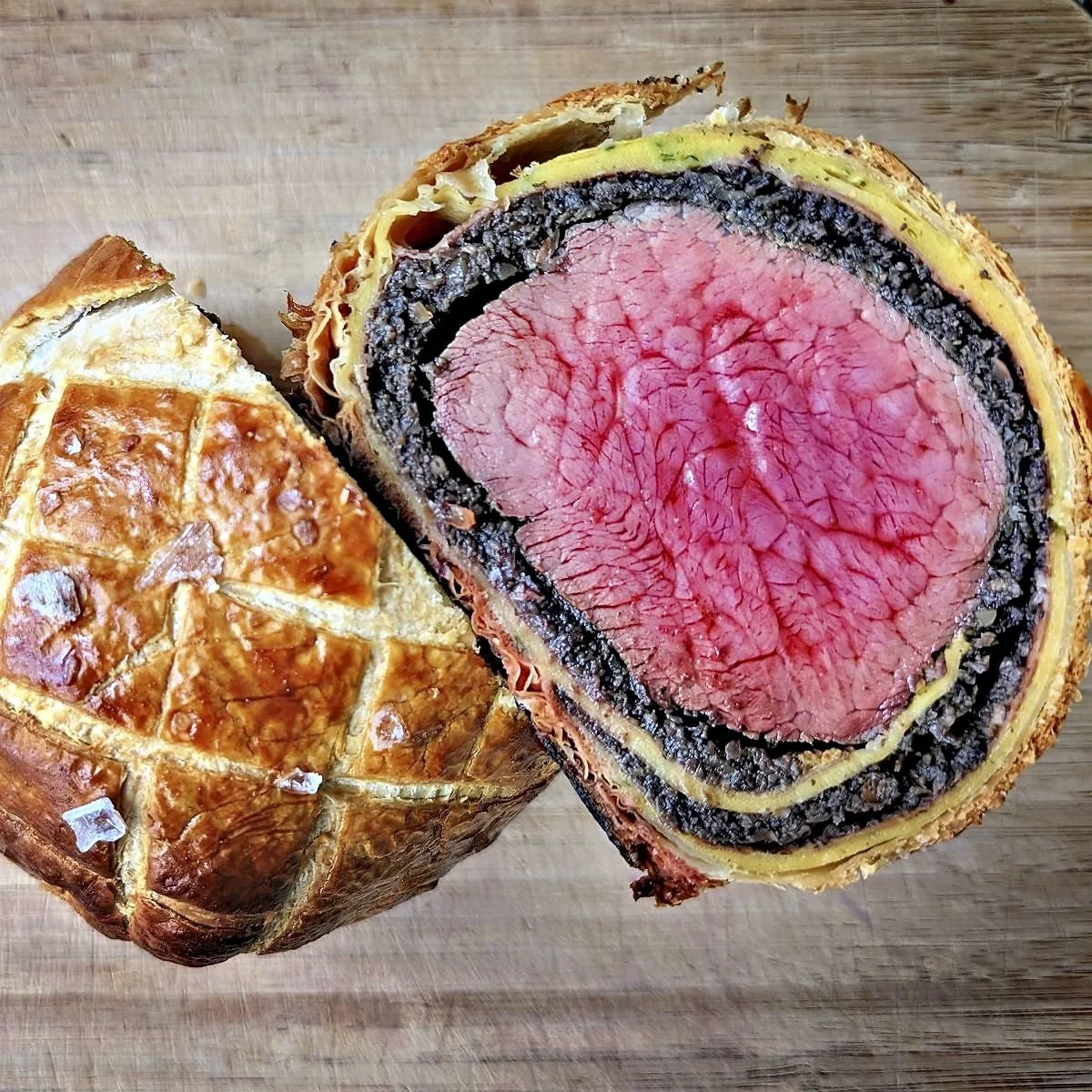
18 Elegant Holiday Recipes: A complete holiday menu with chef-tested mains, sides, and desserts—perfect for planning a polished dinner party.
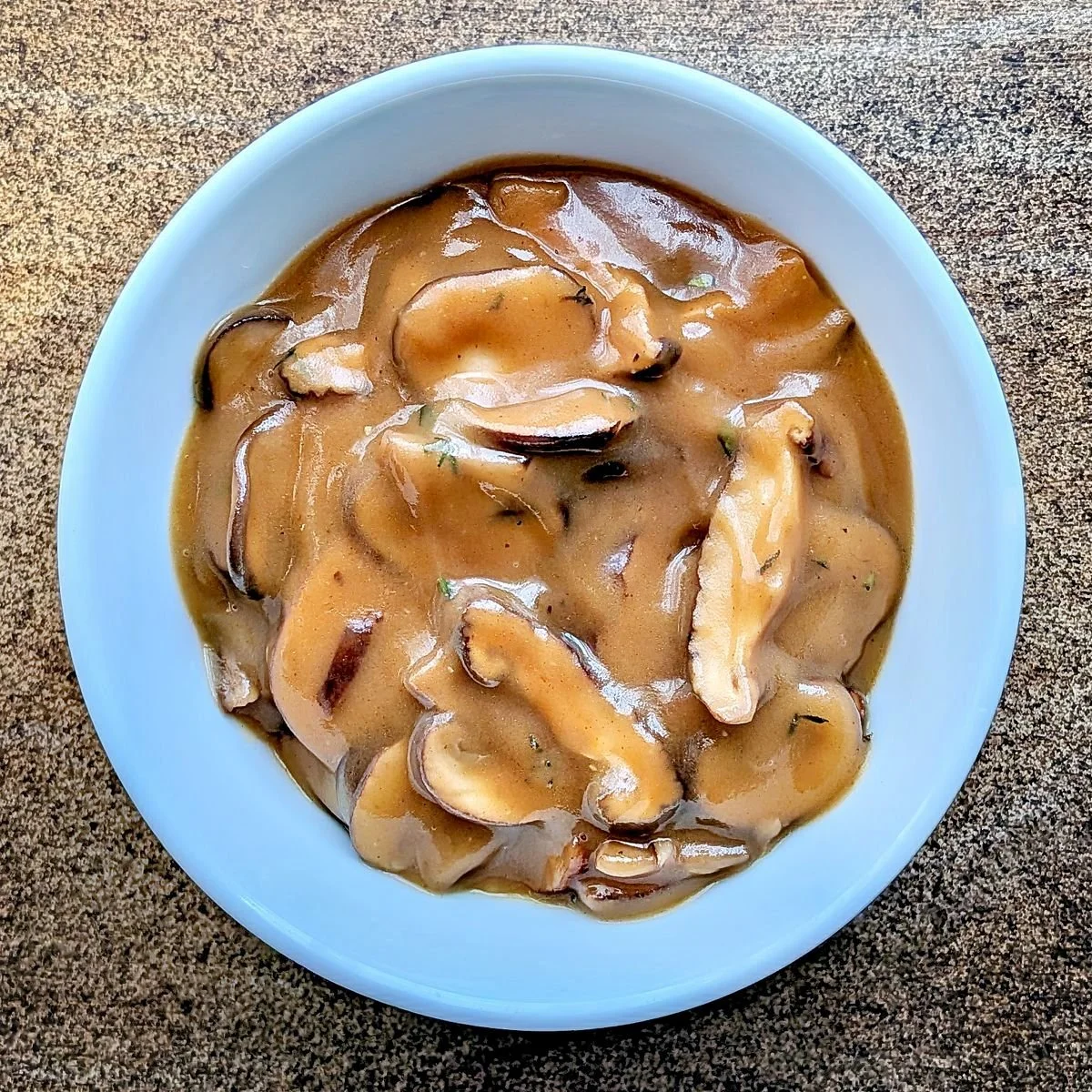
The Five French Mother Sauces Guide: Master the foundational sauces that sharpen your instincts for balance, texture, and structure in any cuisine.
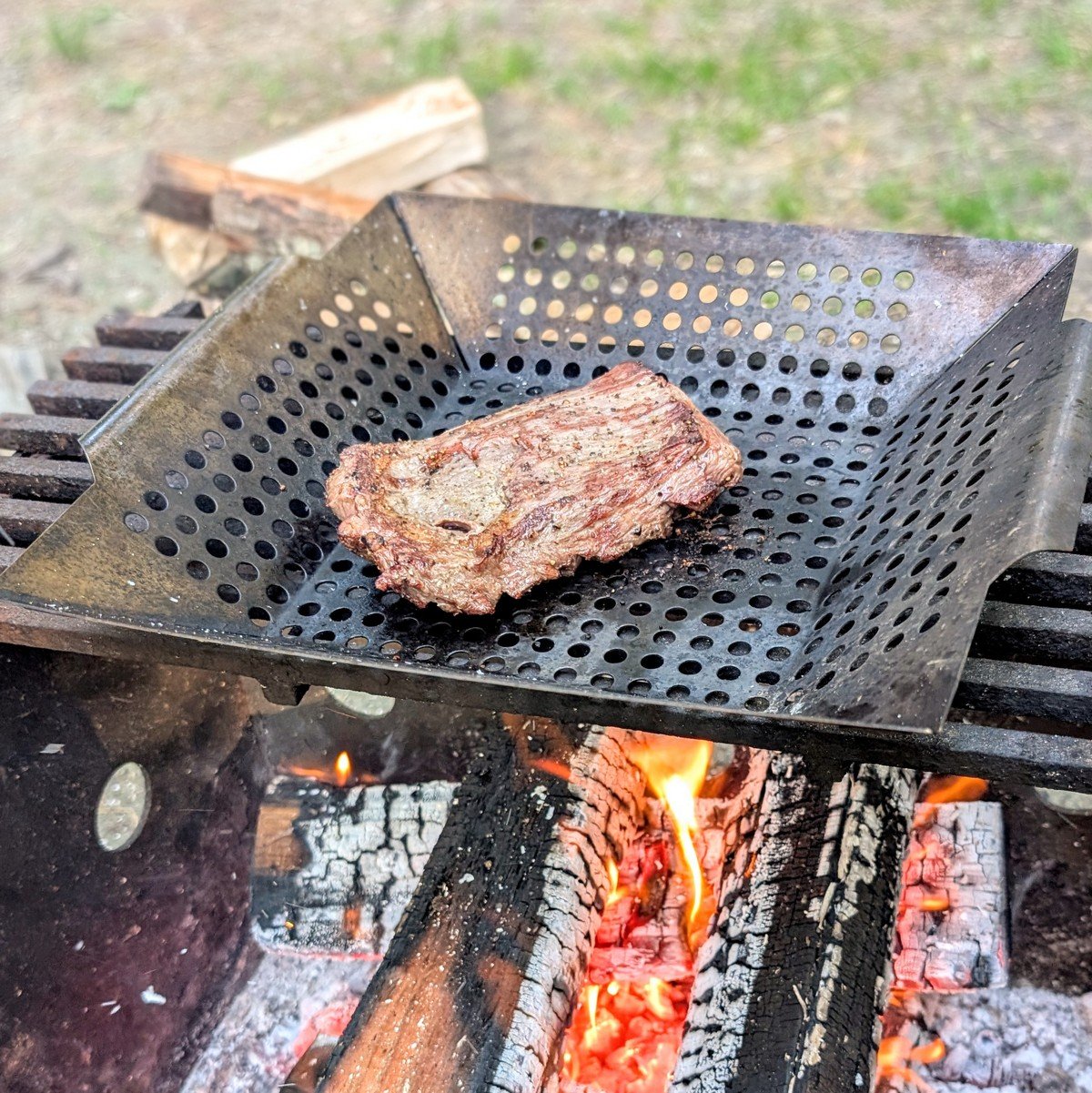
10 No-Foil Camping Recipes: Gourmet outdoor meals that rely on real technique—not foil packets—for bold, fire-cooked flavor.
How to Cook Over a Campfire: Learn how to build and manage a proper cooking fire, control heat zones, and cook food in the right order.




These chef-tested gingerbread cookies are warmly spiced, chewy in the middle, and crisp around the edges, with homemade royal icing for holiday decorating.