How to Boil Eggs in an Electric Kettle
A tested method for boiling eggs in a kettle with precise timing, practical tips, and troubleshooting for reliable results.
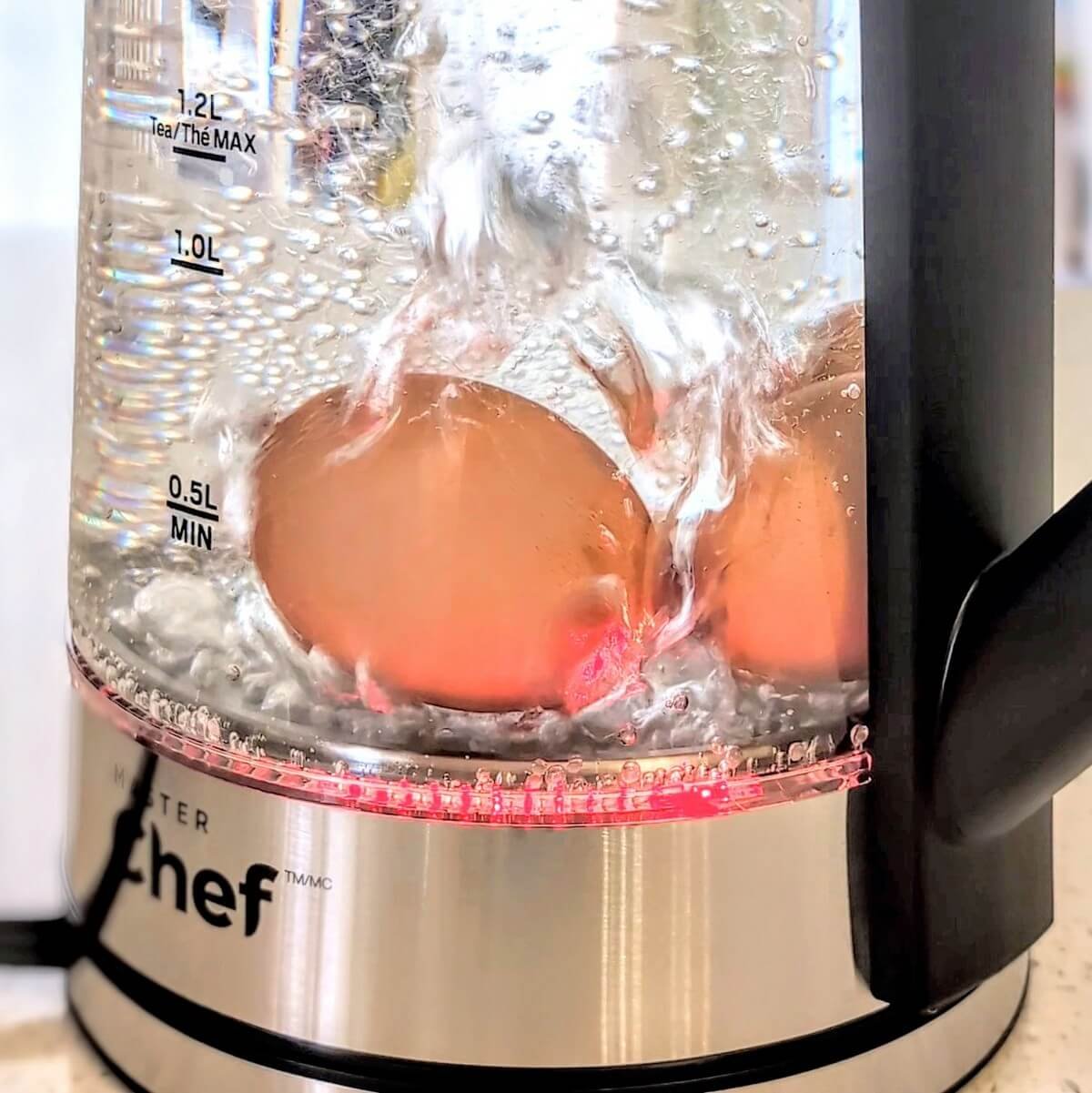
Getting the Setup Right for Kettle-Boiled Eggs
After boiling eggs this way for years in different kettles, I’ve learned exactly where things can go wrong. Cracked shells, uneven yolks, and cleaning up after a leak were some of the biggest frustrations early on.
The kettle itself makes the biggest difference. A concealed heating element, reliable auto shut-off, and enough room for the eggs to sit in a single layer without overcrowding all matter.
From there, it comes down to handling. Lower the eggs gently so they don’t crack, and start with fridge-cold eggs for more consistent doneness.
Once I got the setup right, the results became consistent.
How the Kettle Method Works
Eggs heat gradually with the water: Cold eggs and water go into the kettle together and rise in temperature at the same rate. That gradual heat-up reduces variables, making the cooking process more controlled and consistent.
Carryover heat finishes the cooking: Once the water reaches a full boil, the kettle auto-shuts off—but the cooking doesn’t stop. The eggs continue setting through residual heat in the water.
Timing sets the texture: Because egg whites and yolks firm up at specific temperature ranges, the time after shut-off determines whether you get runny yolks, medium-set centers, or fully set hard-boiled eggs.
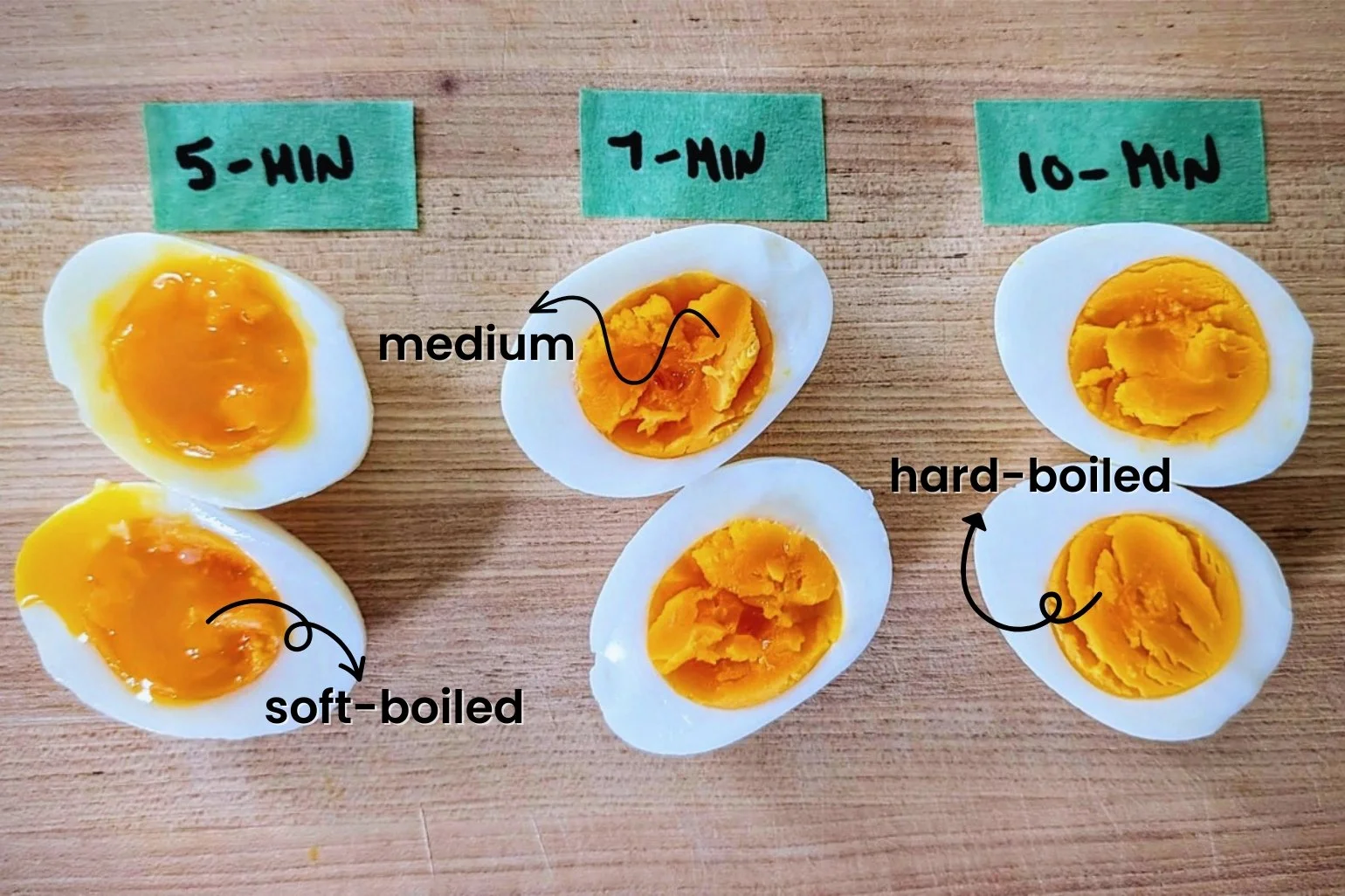
Quick Timing Guide for Kettle-Boiled Eggs
After the kettle shuts off, leave the eggs in the hot water for the following times before transferring to an ice bath:
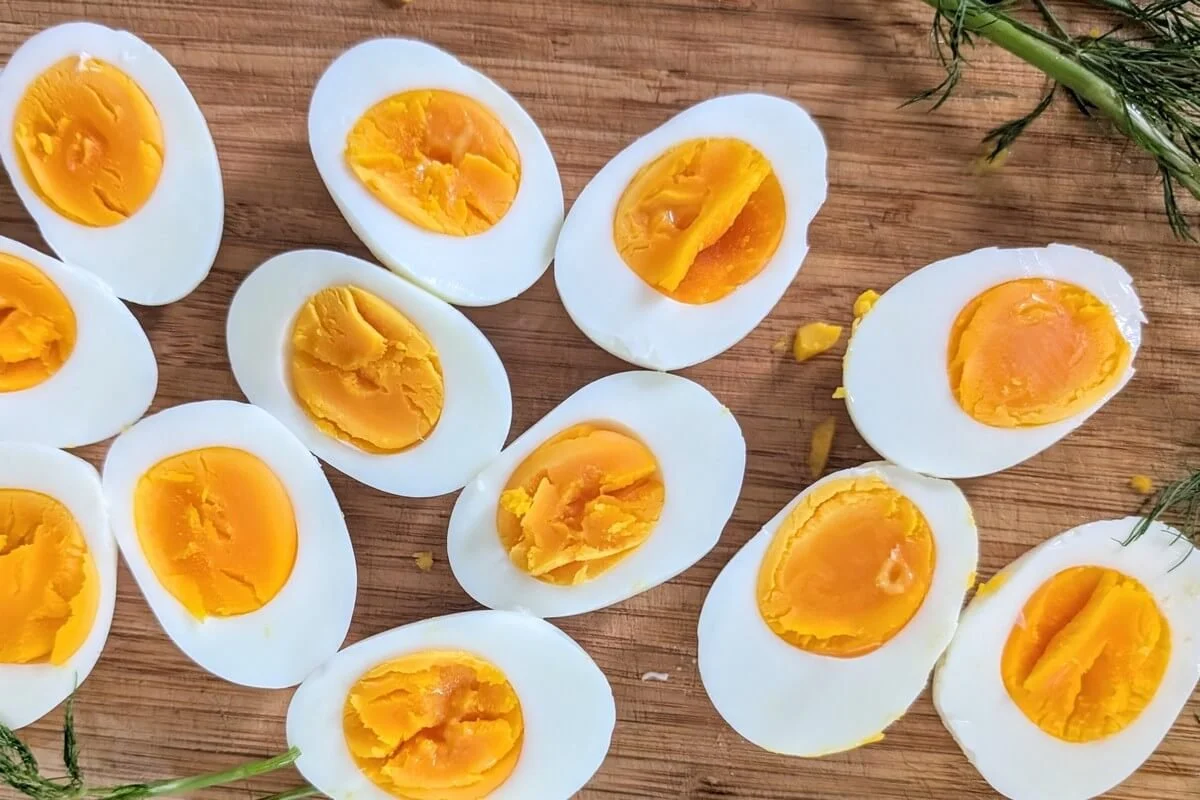
Soft-boiled eggs: 5 minutes (set whites, runny yolks)
Medium-boiled eggs: 7 minutes (mostly set yolk, slightly soft center)
Hard-boiled eggs: 10 minutes (fully set yolks)
Note: These times are based on large, fridge-cold eggs. Results vary depending on egg size, starting temperature, kettle wattage, and altitude—yes, even elevation can play a role (more on that later).
Important Details Before You Start
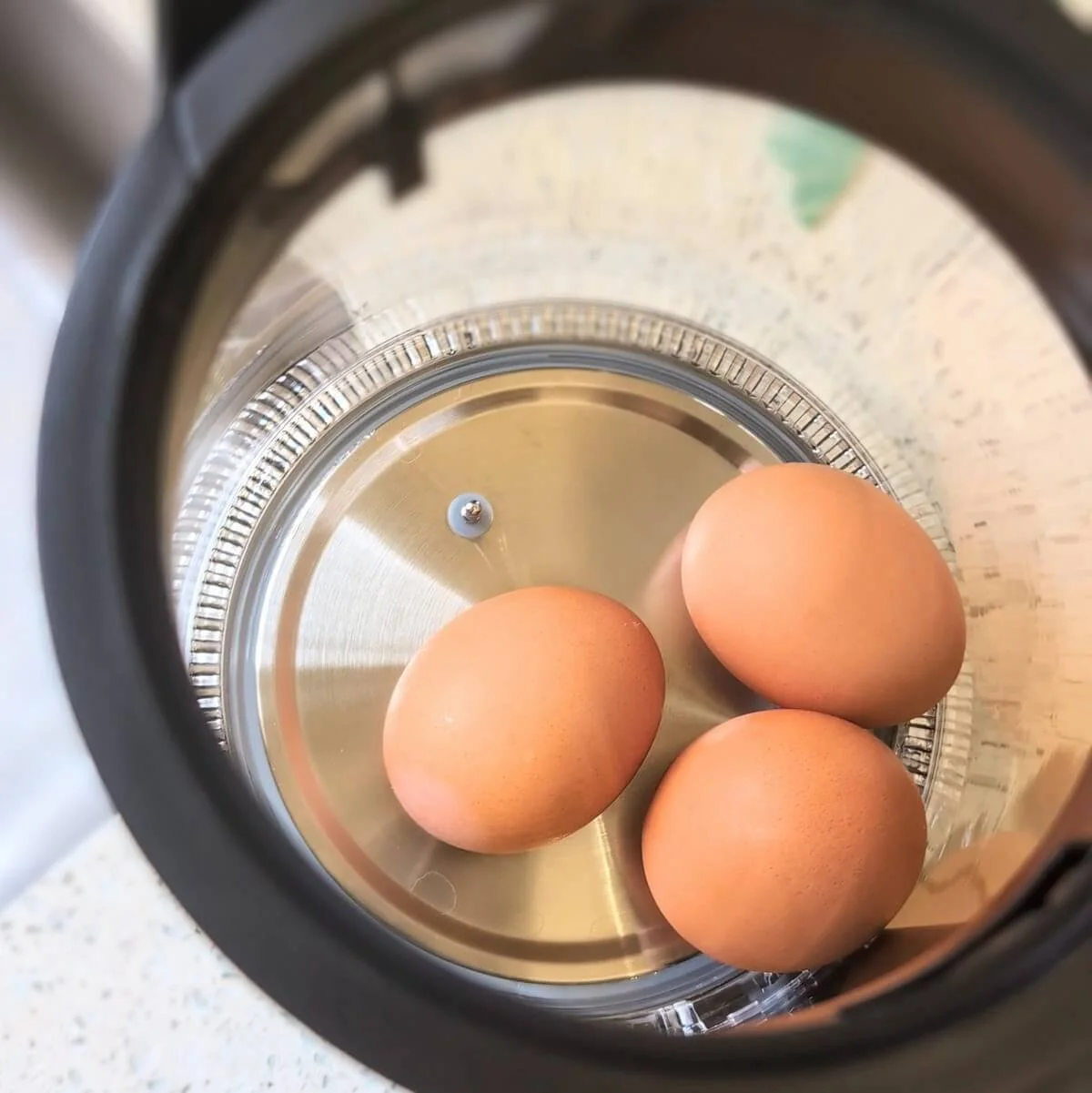
Use a kettle with a concealed heating element. Exposed coils can crack eggs that touch the heating element and are harder to clean if anything leaks.
Cook the eggs in a single layer. Stacking or crowding increases the chance of cracking and can lead to uneven cooking.
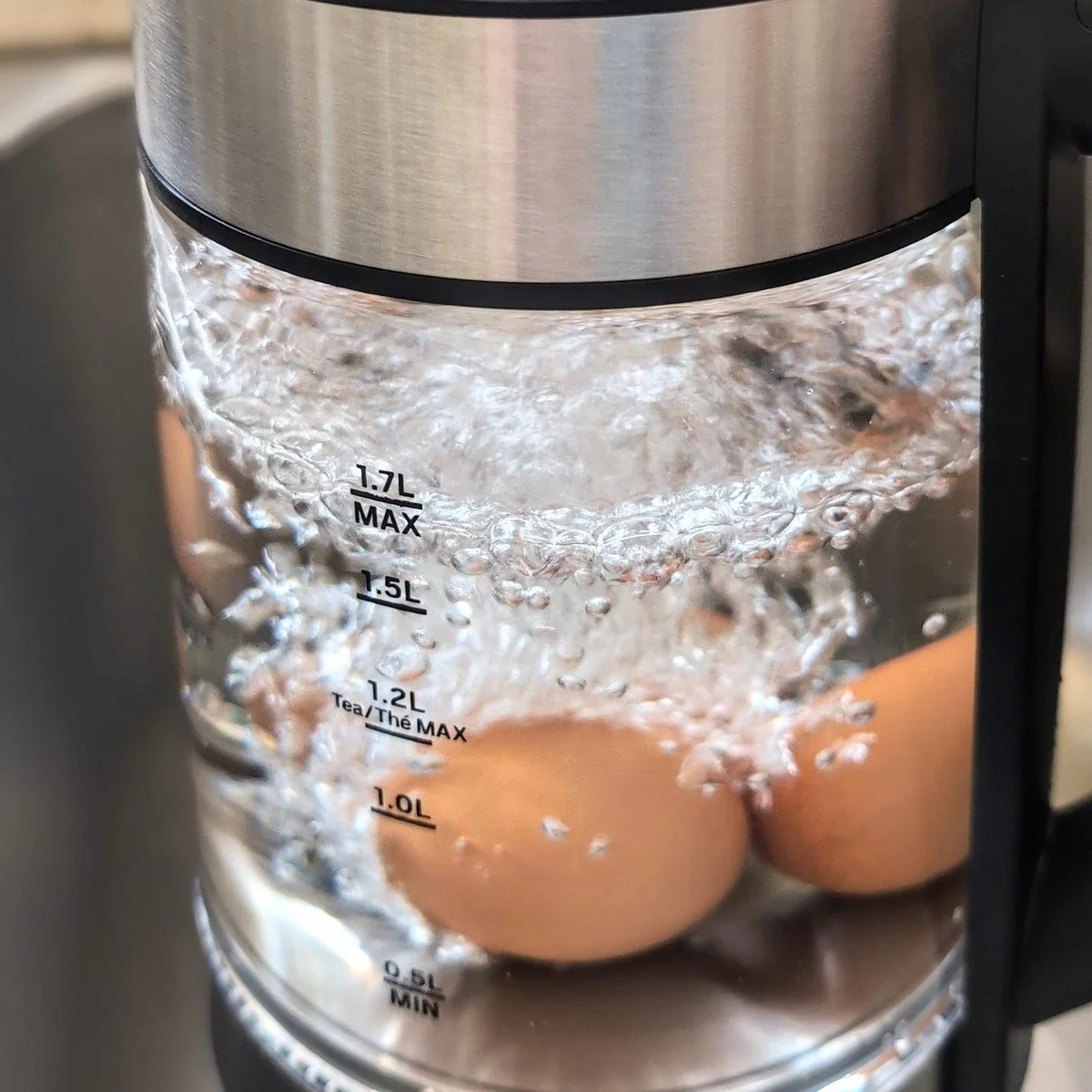
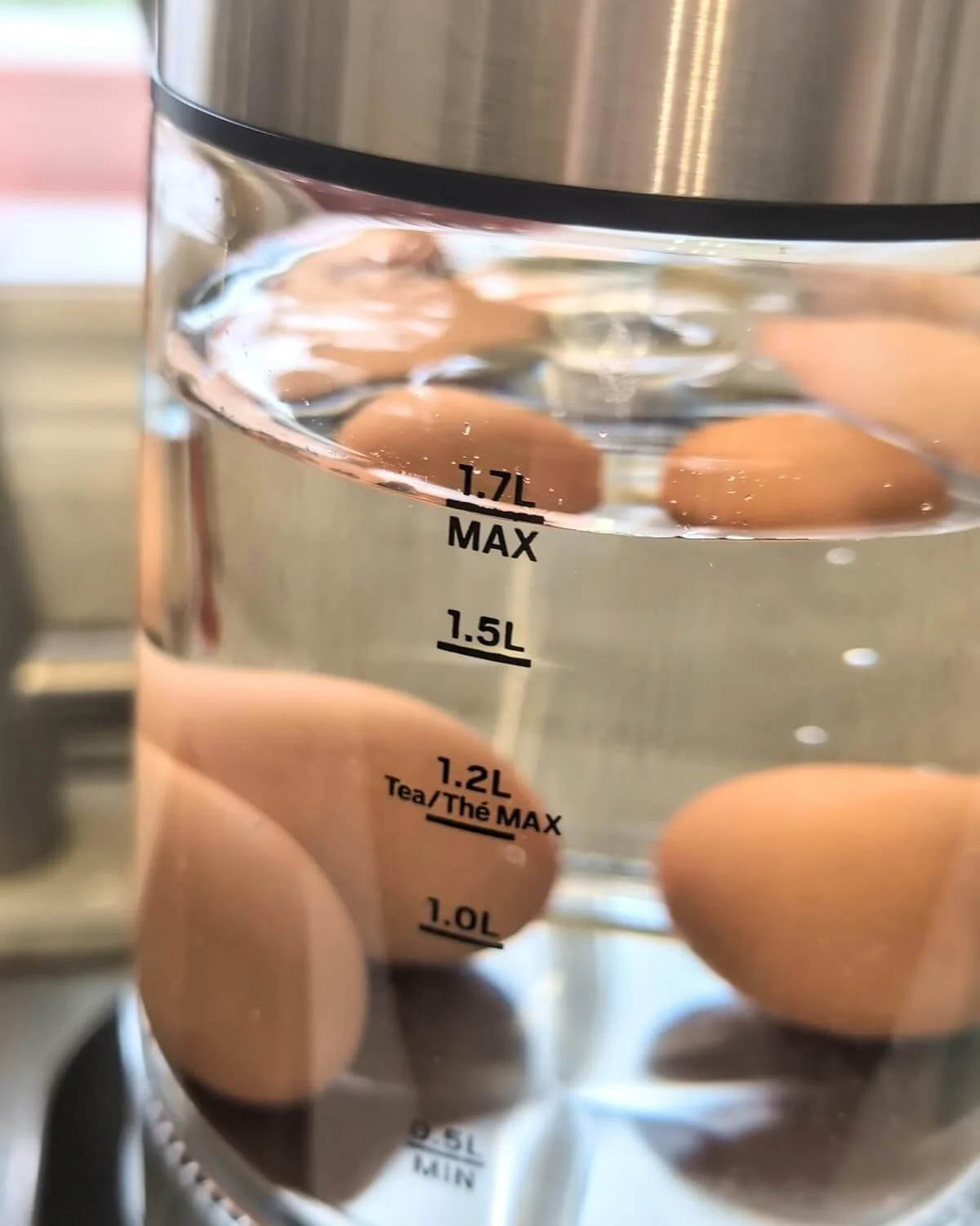
Keep the eggs fully submerged. Make sure there’s at least 1 inch of water above them while staying below the max fill line.
Stay nearby while boiling. If an egg cracks and the water begins to foam, shut the kettle off quickly to prevent it from boiling over.
Drain carefully. Pour out the hot water slowly with the lid mostly closed to avoid steam burns.
Clean the kettle after cooking. A quick rinse is usually enough, but if an egg cracks, wash the kettle thoroughly with hot soapy water.
How to Boil Eggs in a Kettle
Step 1: Add eggs and water to the kettle
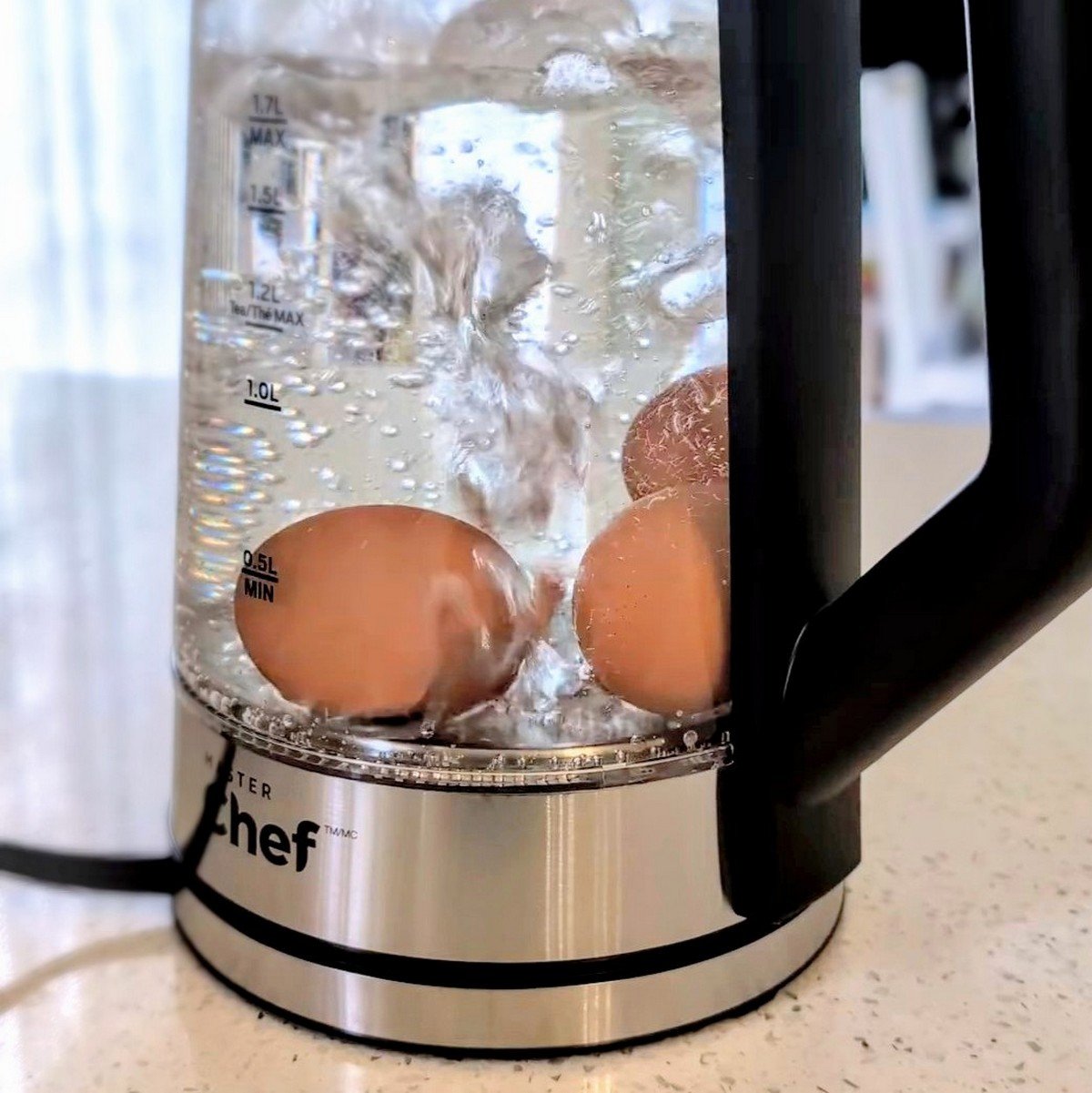
Place large fridge-cold eggs in a single layer on the bottom of the kettle, lowering them gently rather than dropping them.
Add cold water until the eggs are fully submerged with at least 1 inch of water above them, keeping the level below the maximum fill line.
Starting with cold eggs helps keep the timing predictable and reduces the risk of overcooking.
Step 2: Add salt to the water (optional)
Add 1 tablespoon of salt to the water before boiling.
In restaurant kitchens, I’ve found that using a generous amount of salt helps the shells peel more cleanly and quickly sets any whites if a shell cracks.

Step 3: Bring to a boil and start timing
Turn the kettle on and let the water come to a full boil. Once the kettle shuts off automatically, start your timer immediately.
Cook for 5 minutes for runny yolks, 7 minutes for medium, or 10 minutes for hard-boiled eggs.
Step 4: Cool the eggs quickly
When the timer is up, carefully pour out the hot water with the lid mostly closed.
Once drained, transfer the eggs with tongs or a spoon to an ice bath immediately to stop the cooking and make them easier to peel.
If you don’t have ice, run the eggs under cold water for several minutes until completely cooled. The faster you cool them, the cleaner they will peel.

Step 5: Peel the eggs
Let the eggs cool in the ice bath for at least 15 minutes before peeling. This helps them peel more cleanly and makes handling easier.
Crack the shell gently on a hard surface and roll the egg lightly to loosen it. I usually start peeling from the wider end, where there’s a small air pocket, which makes it easier to get under the membrane.
If a few shell bits cling to the egg, just rinse it briefly under running water or dip it back into the ice bath to clean it up.

How to Clean an Electric Kettle After Boiling Eggs
For normal use, a simple rinse is enough. Once the kettle has cooled, rinse it thoroughly with warm water and let it air dry with the lid open. If no eggs cracked during cooking, this is usually all I do.
If an egg cracks, clean it right away with soap. Egg whites can foam and cling to the interior, especially near the heating plate and spout. Rinse out any loose debris first, then wash the inside gently with hot soapy water using a soft sponge. Rinse well and let it air dry. Avoid submerging the base of the kettle, since that’s where the electrical components are.
For lingering odor or mineral buildup, use vinegar. Add about ¼ to ½ cup of white vinegar to the kettle, then fill with water to about halfway or just below the maximum fill line. Bring it to a boil, turn it off, and let it sit for 15–20 minutes before rinsing thoroughly. This helps remove both egg residue and limescale.
Will your kettle taste like eggs? In my experience, no—as long as it’s cleaned properly after each batch. I’ve used the same kettle for boiling water for tea and coffee, and cooking eggs without any lingering flavor. If you’re using a shared kettle, clean it thoroughly with hot soapy water rather than just rinsing, especially out of consideration for allergies.
Troubleshooting Electric Kettle–Boiled Eggs
Why did the eggs crack in the kettle?
Cracking usually comes down to shell strength and handling. If eggs are dropped into the kettle, stacked too tightly, or touching an exposed heating element, they’re more likely to split.
I’ve also noticed regional differences. In Canada, I rarely had issues. In Southeast Asia, I’ve had eggs crack constantly—even when handled gently. Thinner shells and hairline fractures make a big difference.
Lowering them gently and keeping them in a single layer without overcrowding reduces most cracking problems.
Why did the kettle boil over when cooking eggs?
This usually happens when the kettle is packed too full and one of the eggs develops a small crack while heating.
A bit of white can leak out early on. Then, right as the water becomes very active just before a full boil, that protein foams quickly. If the kettle is filled to the max line or the eggs are stacked, there’s nowhere for that foam to go—so it pushes out through the spout.
The few times this happened to me, I had stacked the eggs and filled the kettle right to the max fill line. Once I switched to a single layer and left more space above the water, it completely stopped.
Stay nearby while it heats. If you see foam coming through the spout, shut the kettle off immediately. At that point the water is hot enough, so start your timer and cook as usual.
Why are the eggs undercooked?
The most common mistake is starting the timer too early. Timing begins after the kettle shuts off—not when you turn it on.
Kettles also vary in how long they retain heat. Larger eggs or high altitude can require an extra minute or two. If your yolks are consistently softer than expected, increase the post–shut-off time slightly the next time you cook them.
I’ve found that small adjustments make a big difference. Add time gradually rather than jumping several minutes at once.
Why are the yolks chalky or gray-green?
That gray-green ring is a sign of overcooking. It happens when sulfur in the whites reacts with iron in the yolk after prolonged heat exposure. Chalky, dry yolks are another indicator that the eggs are cooked too long.
Besides sitting in hot water too long, smaller eggs or ones that start at room temperature can overcook more quickly. An immediate ice bath helps stop the cooking, and using large, refrigerated eggs gives you the most consistent results. If your yolks are still too firm, shorten the post–shut-off time slightly next time.
Why are the eggs hard to peel?
Fast cooling matters more than most people realize. The quicker you chill them, the more the egg contracts away from the shell membrane, making peeling easier.
If the outer layer of white sticks to the shell and tears away while peeling, the eggs are likely too fresh. I’ve had this happen even when chilling in an ice bath immediately after cooking.
Eggs that are about 1 to 2 weeks old usually peel much more cleanly.
Can boiling eggs damage an electric kettle?
Repeated boil-overs or cooked-on egg residue can affect performance over time, especially if it dries onto the heating plate. That’s why I use kettles with concealed heating elements and clean them promptly after each batch.
If you cook in a single layer, avoid overfilling, and clean thoroughly afterward, the method itself won’t damage a well-designed kettle.
Do you need to adjust timing at high altitude?
Yes, sometimes.
Water boils at a lower temperature at higher elevations, which means the eggs are cooking in water that isn’t quite as hot as it would be at sea level. Because this method relies on carryover heat after shut-off, that temperature difference can affect the final texture.
If you’re well above sea level and your eggs are consistently softer than expected, add 1 to 2 extra minutes to the post–shut-off time and adjust from there.
Choosing the Best Electric Kettle for Boiling Eggs
Not every kettle handles cooking the same way. If you’re planning to boil eggs in yours regularly, a few design details make the process much smoother.
A concealed heating element matters most. Exposed coil kettles increase the risk of cracking and make cleanup far more difficult if an egg leaks. A flat-bottom kettle with a hidden element is what allows this technique to work safely and consistently.
Capacity gives you breathing room. A 1.5 to 1.7 liter kettle lets you cook in a single layer without crowding. Smaller travel kettles can work in a pinch, but space gets tight quickly.
Wide opening makes cleanup easier. If a shell cracks or foam forms, being able to reach inside easily makes rinsing and scrubbing much less frustrating.
Choose stainless steel or glass interiors. They’re more durable, easier to clean thoroughly, and hold up better over time than plastic.
If you’d like a full breakdown of the kettles I personally recommend, I’ve put together a detailed guide to the best electric kettles for cooking.
Ways to Use Kettle-Boiled Eggs
Once you’ve nailed the timing, boiled eggs become one of the easiest proteins to keep on hand for quick meals.
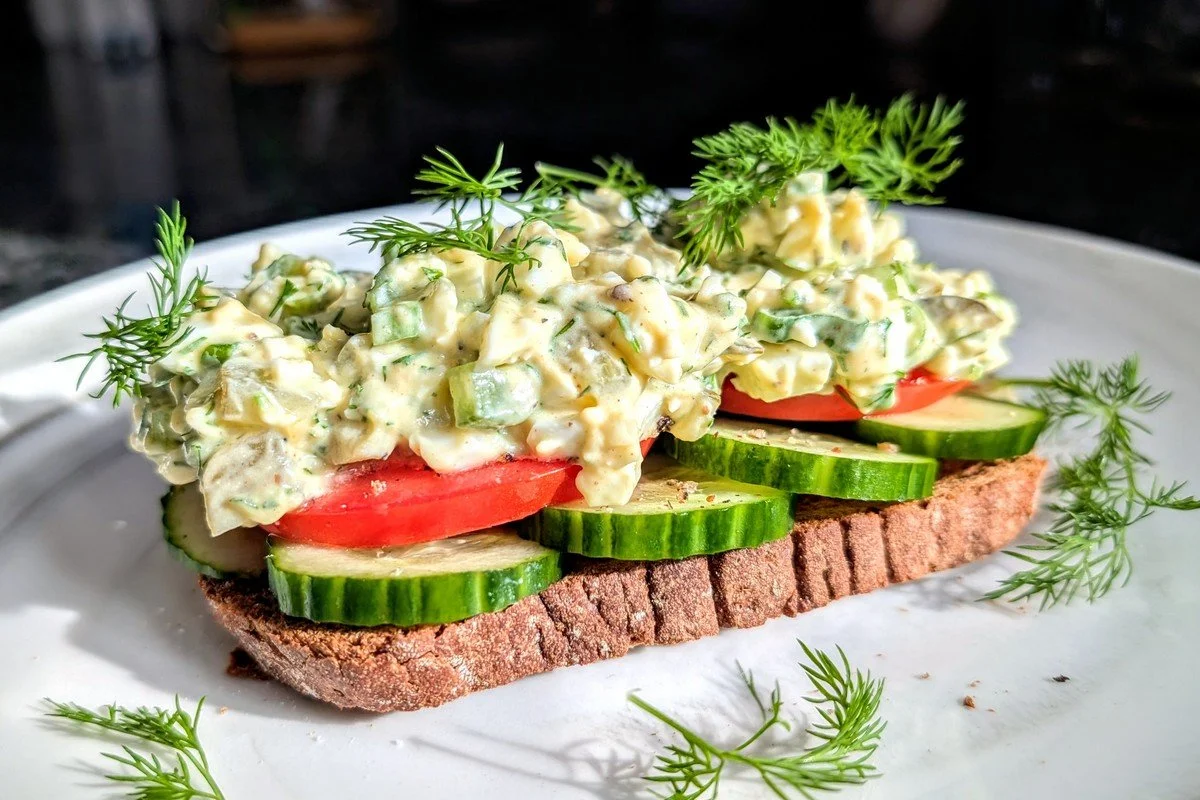
Egg salad: Use hard-boiled eggs to make my lighter twist on classic egg salad with Greek yogurt and dill pickles.
Niçoise salad: Add sliced boiled eggs to tuna, potatoes, green beans, and olives for a hearty, balanced lunch.
Egg and avocado toast: Jammy or medium eggs are especially good layered over mashed avocado and topped with pickled red onions.
Sabih sandwich: A traditional Middle Eastern breakfast pita stuffed with boiled eggs, fried eggplant, hummus, fresh vegetables, herbs, and tahini sauce.
Pin This Kettle-Boiled Egg Guide for Later

Did you try this kettle method for boiling eggs?
Let me know how it went in the comments. I read every one and I’m happy to help troubleshoot if you have any questions.
More Kettle Cooking Guides
How to cook couscous with a kettle: A simple, no-stove method for fluffy couscous using nothing but kettle-boiled water and a bowl.
Best electric kettles for cooking: What to look for in a kettle if you plan to use it for more than tea—ideal for cooking real meals in dorms, tiny kitchens, or while traveling.